The Short Answer
On our estimates, insulating the cavity walls of a typical home costs about £1,500 to £3,000, with no VAT until 31 March 2027. The Energy Saving Trust says it usually pays for itself in 5 years or less, and an average home with easy access takes about 2 hours.
Not every wall is suitable. Exposed, damp or poorly maintained walls, and very narrow cavities, are where it goes wrong, so get the walls checked first and insist on a guarantee.
Cavity wall insulation prices
| Job | Typical cost |
|---|---|
| Cavity wall insulation, typical home | £1,500 to £3,000 |
When we checked in October 2026, the Energy Saving Trust put a typical home in Great Britain at about £2,200. Bigger and detached homes, with more wall, sit at the top of our range.
Do you have cavity walls?
The Energy Saving Trust's ways to tell:
- Age: homes built after the 1920s probably have cavity walls; older ones are more likely solid.
- The brick pattern: cavity walls show every brick laid lengthways; solid walls have an alternating pattern with some brick ends showing.
- Thickness: a brick wall 260 to 350mm thick is likely a cavity wall. Stone walls tend to be solid.
- Rendered or clad walls: ask a professional.
Homes built in the last 20 years or so probably already have insulation. You can check with a borescope inspection, your building control body, or the home's energy performance certificate.
When it isn't suitable
The Energy Saving Trust says cavity insulation may not be right if the walls are:
- exposed to extreme weather or at risk of flooding;
- in poor condition;
- in a home at risk of overheating;
- built with cavities narrower than 50mm (usually older homes).
Fix any problems with the brickwork, pointing, roof, overhangs, gutters and downpipes first, or you risk trapping damp. I'd have the walls and gutters looked at before anyone quotes. If damp appears later, it may have another cause, so get it checked rather than assuming the insulation is to blame.
The job and the guarantee
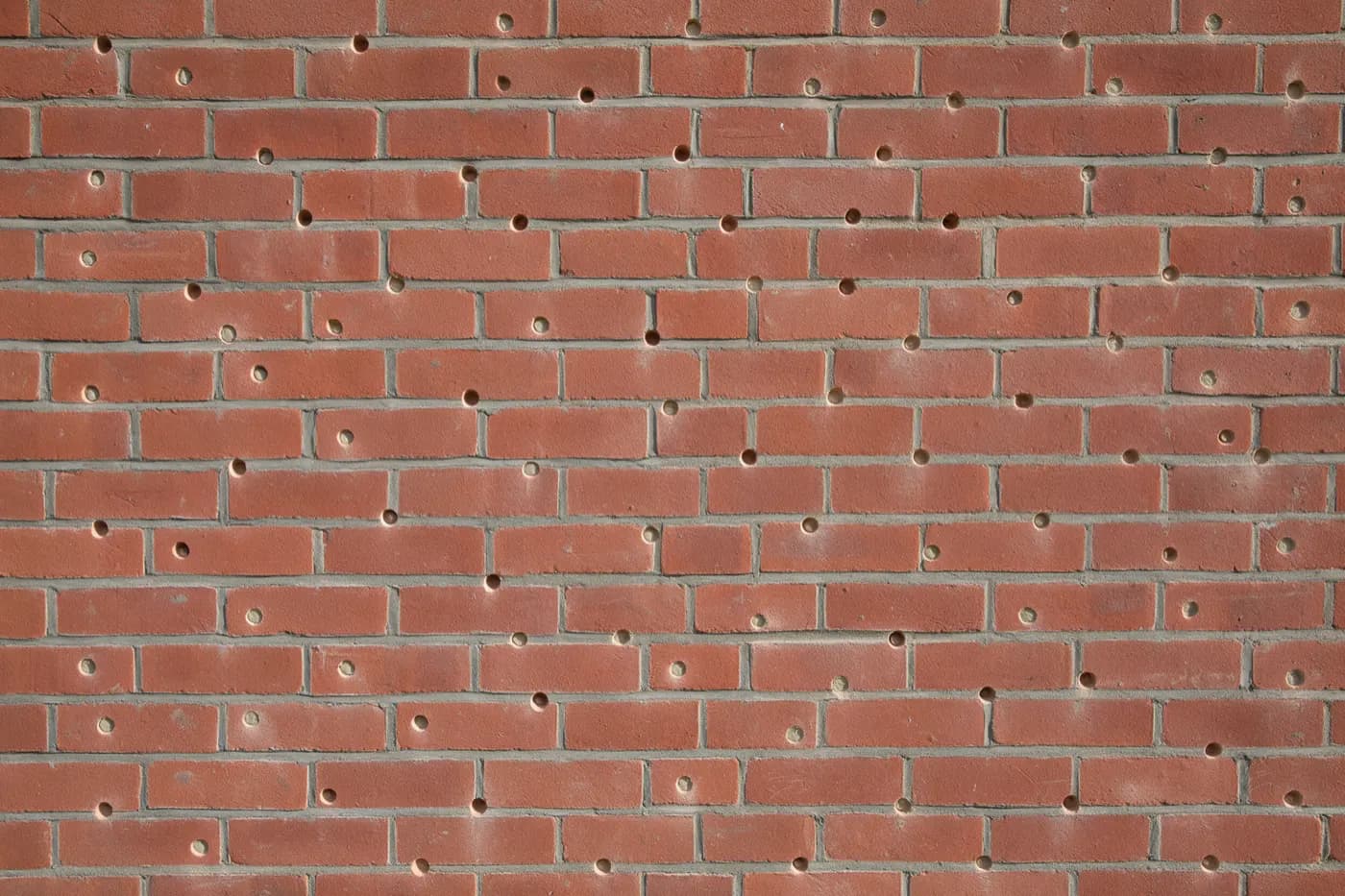
It isn't a DIY job: a registered installer injects insulation into the gap between the two leaves of the wall, and the Energy Saving Trust says it shouldn't make a mess. Make sure you get a guarantee: either a Cavity Insulation Guarantee Agency (CIGA) certificate, or an independent, insurance-backed guarantee. Keep it with the house documents.
Grants and VAT
If you get certain benefits and live in private housing, the Energy Company Obligation (ECO) can help pay for insulation; owners need an energy rating of D to G, private tenants E to G. Apply through your council or an energy supplier. The current scheme, ECO4, runs until 31 December 2026. See ECO in full.
In England, the Warm Homes: Local Grant can also pay for wall insulation for lower-income households (usually £36,000 a year or less), on certain benefits or in certain postcodes, in homes rated D, E, F or G. Installed insulation is zero-rated for VAT until 31 March 2027, then 5%.
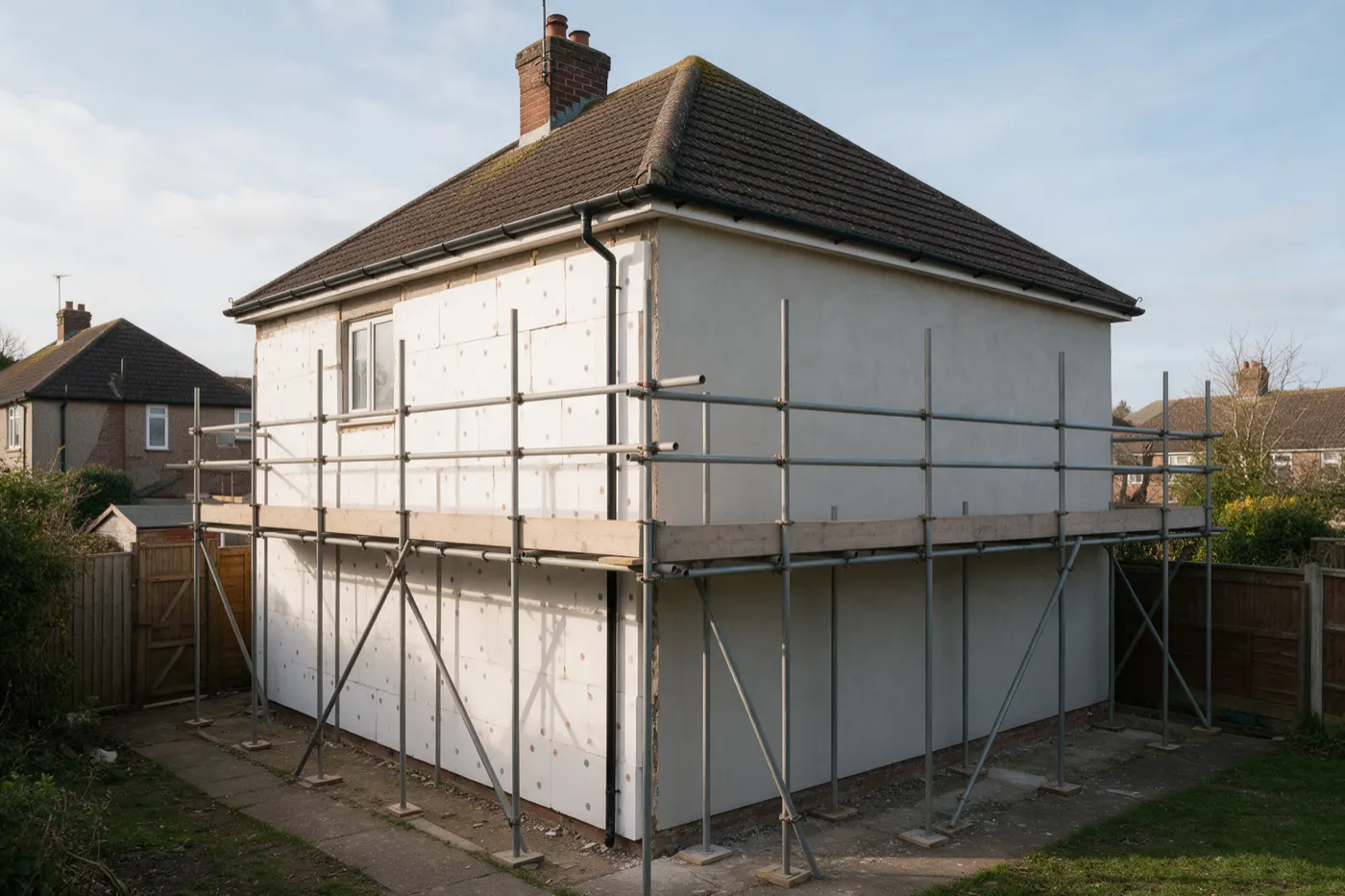
Solid walls need a different, much dearer approach: see external wall insulation, from £6,000 to £10,000 for a terrace.
Get cavity wall insulation quotes
Cavity walls are priced by the wall area; the installer will check the cavity first.
Free, no obligation. We're paid by MyJobQuote when a tradesperson buys your job, never by you.
Frequently asked questions
How much does cavity wall insulation cost?
On our estimates, about £1,500 to £3,000 for a typical home, with no VAT until 31 March 2027.
What are the pitfalls of cavity wall insulation?
It can trap damp in walls that are exposed to extreme weather, in poor condition, or have cavities under 50mm, the Energy Saving Trust says. Fix gutters, pointing and brickwork first, and get a CIGA or insurance-backed guarantee.
Is there a government grant for cavity wall insulation?
ECO can fund it for some households on benefits until 31 December 2026, and the Warm Homes: Local Grant covers lower-income households in England.
How long does cavity wall insulation take?
About 2 hours for an average home with easy access, the Energy Saving Trust says.
How do I know if my walls already have cavity insulation?
If the home was built in the last 20 years or so it probably does. Otherwise check the energy performance certificate, ask building control, or have a borescope inspection.
How we priced thisView sources (6, 4 official)
Rules come from the legislation and official guidance, read at source. Prices are our estimates: we check them against trade price data, retailer shelf prices and specialists' price lists, then build them up from their parts so the totals add up. Below are the sources behind the page; the trade price guides we only compare against aren’t listed. Where sources disagreed, we've said so. More on our method.
- IndustryCavity wall insulation, Energy Saving Trust. Checked 16 Oct 2026.
- OfficialHelp from your energy supplier: the Energy Company Obligation, GOV.UK. Checked 16 Oct 2026.
- OfficialExtending the ECO4 end date (consultation outcome, updated 23 January 2026), GOV.UK. Checked 16 Oct 2026.
- OfficialApply for the Warm Homes: Local Grant to improve a home (England), GOV.UK. Checked 15 Oct 2026.
- OfficialEnergy-saving materials and heating equipment (VAT Notice 708/6), HM Revenue & Customs. Checked 16 Oct 2026.
- IndustryExternal wall insulation cost in the UK (20 March 2026), Federation of Master Builders. Checked 16 Oct 2026.