The Short Answer
On our estimates, fitting about 20 eaves or soffit vents costs £200 to £300, four tile vents £350 to £550 and four ridge vents £300 to £700. Low-level and high-level vents together are £500 to £650. Most jobs take a roofer about a day.
Before paying for vents, do the free things. Approved Document C asks for gaps round pipes and cables in the ceiling to be sealed, especially over bathrooms and kitchens, and for the loft hatch to be draught-sealed. And check the insulation isn't blocking the eaves: the Energy Saving Trust warns that covering vents can cause damp in the loft.
Roof vent prices
| Vents | Typical cost | Where they go |
|---|---|---|
| About 20 eaves or soffit vents | £200 to £300 | Low level, in the soffits |
| Over-fascia or continuous soffit vent, 5 to 10 metres of eaves | £220 to £300 | Low level, along the eaves |
| Four tile vents | £350 to £550 | In the roof slope, near the top |
| Four ridge vents | £300 to £700 | Along the ridge, high level |
| Ridge vents with eaves vents | £500 to £650 | Low and high |
| Tile vents with eaves vents | £600 to £750 | Low and high |
Fix these before adding vents
- Seal the ceiling. Approved Document C says gaps and holes for pipes and wiring through the ceiling should be filled and sealed, especially in bathrooms and kitchens, with an effective draught seal on the loft hatch. Less moist air in the loft means less to ventilate away.
- Clear the eaves. The Energy Saving Trust says insulation must not block vents, and many lofts are insulated right into the eaves, where the vents are.
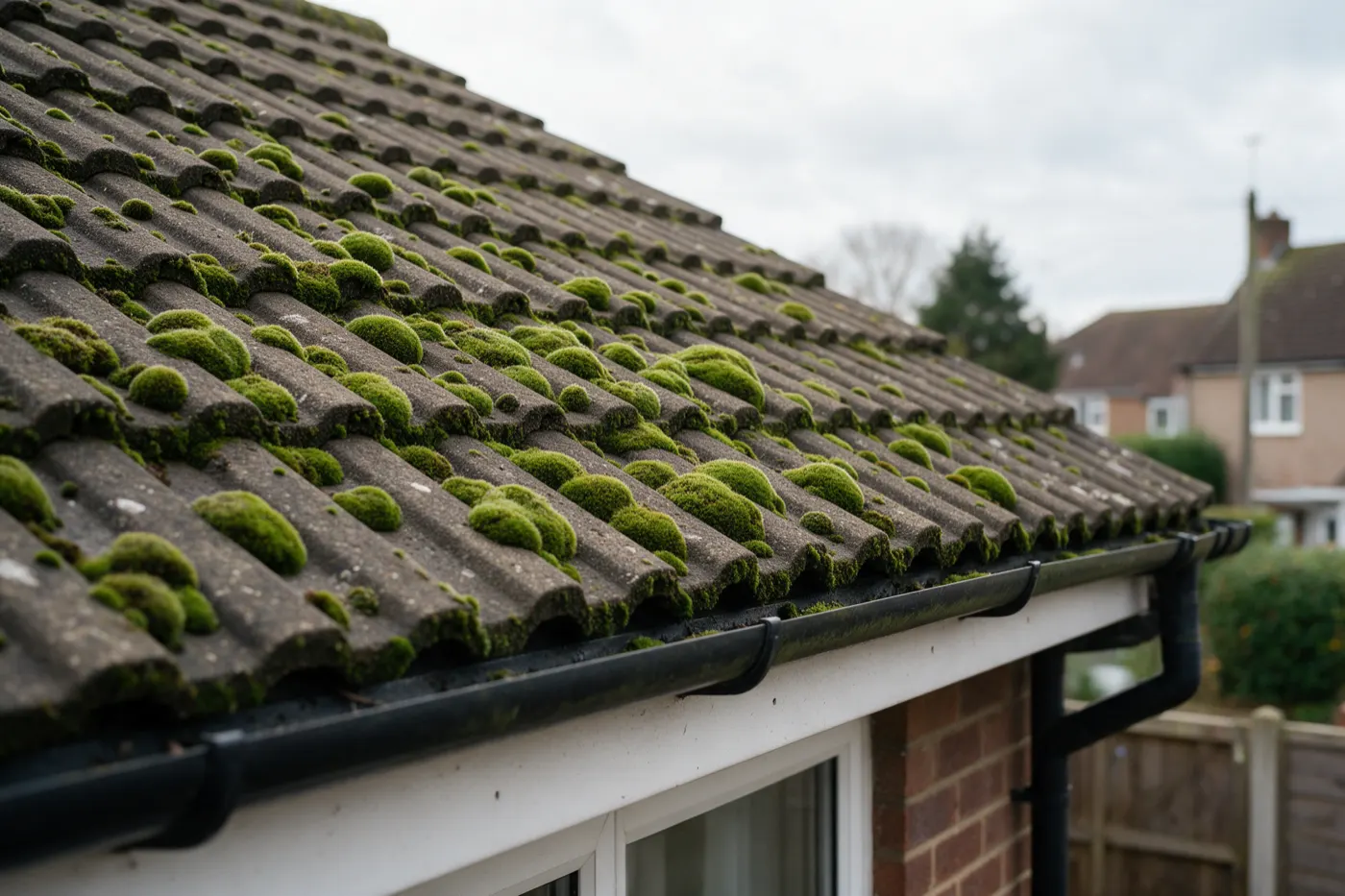
- Keep the vents you have clear. Freefoam, which makes vented soffits, notes that dirt, paint or badly placed insulation can block them.
Signs of poor ventilation, or a leak?
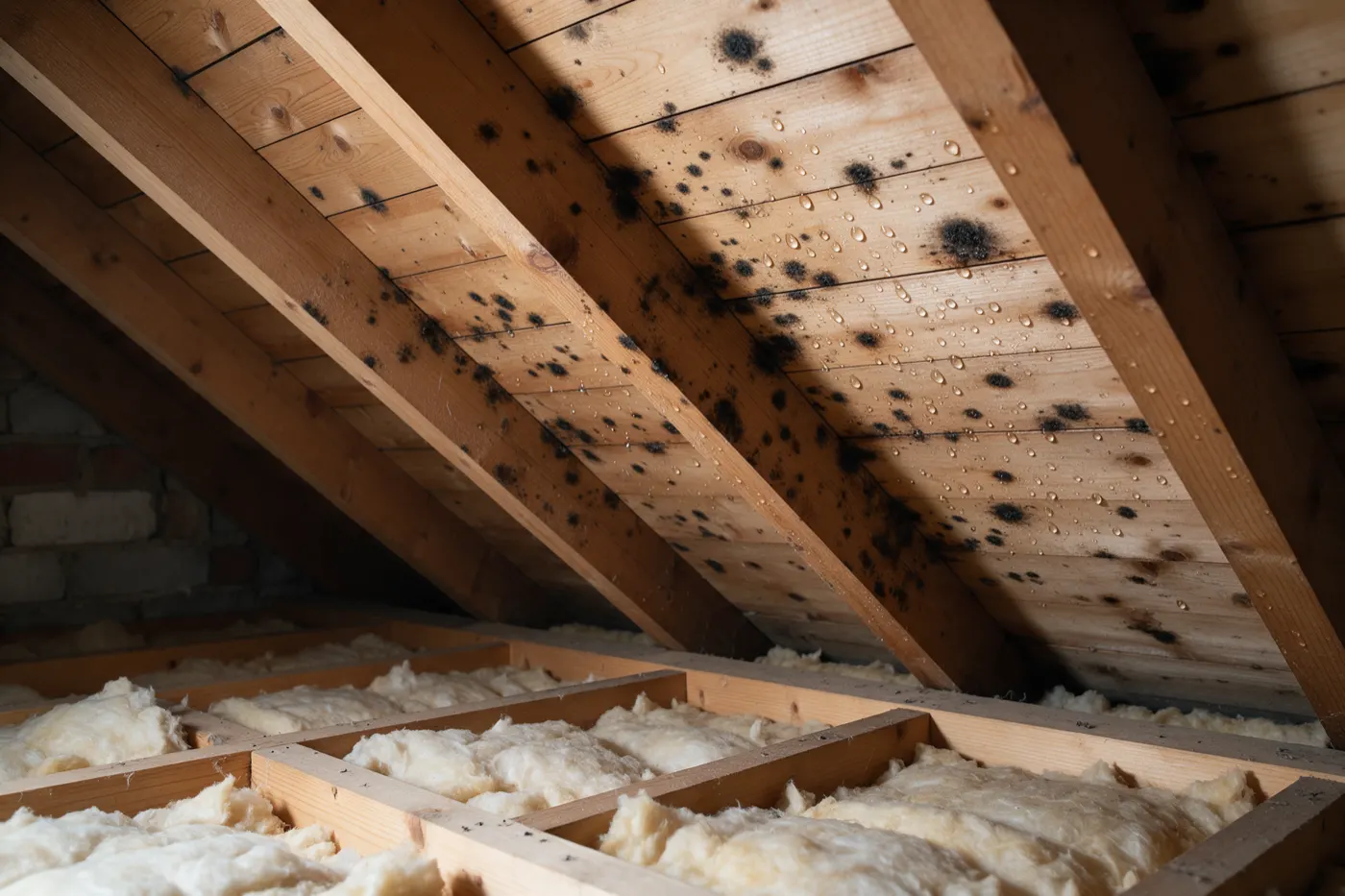
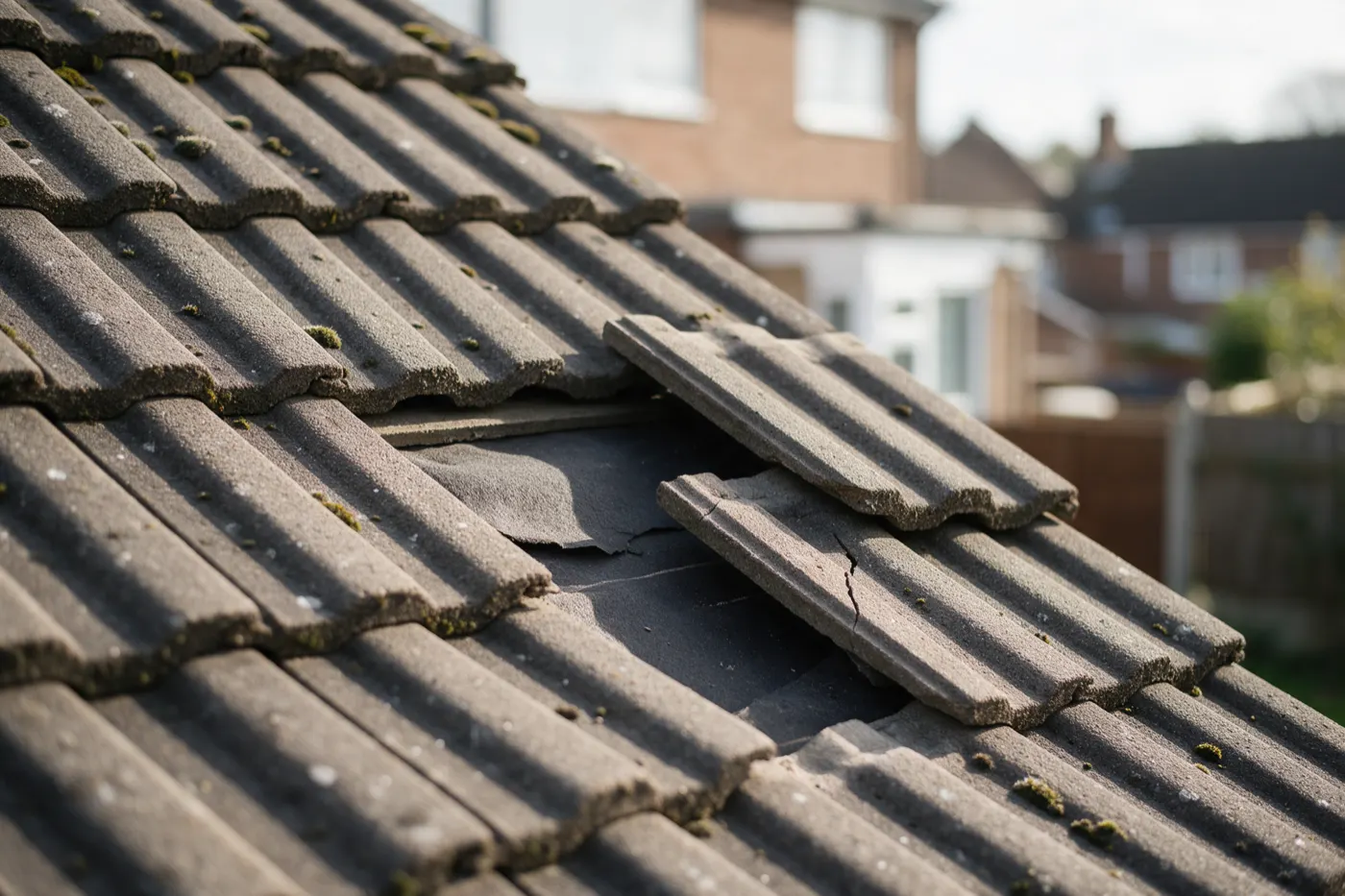
Freefoam lists the usual signs in the loft: condensation on the felt, membrane or nails, a musty smell, damp insulation, dark patches on the timber, or mould. It's careful to say these aren't a diagnosis on their own: leaks, damaged tiles and plumbing can cause the same.
So I'd get a roofer to look before buying vents. If it turns out to be a leak, see roof repair costs.
What the regulations and makers say
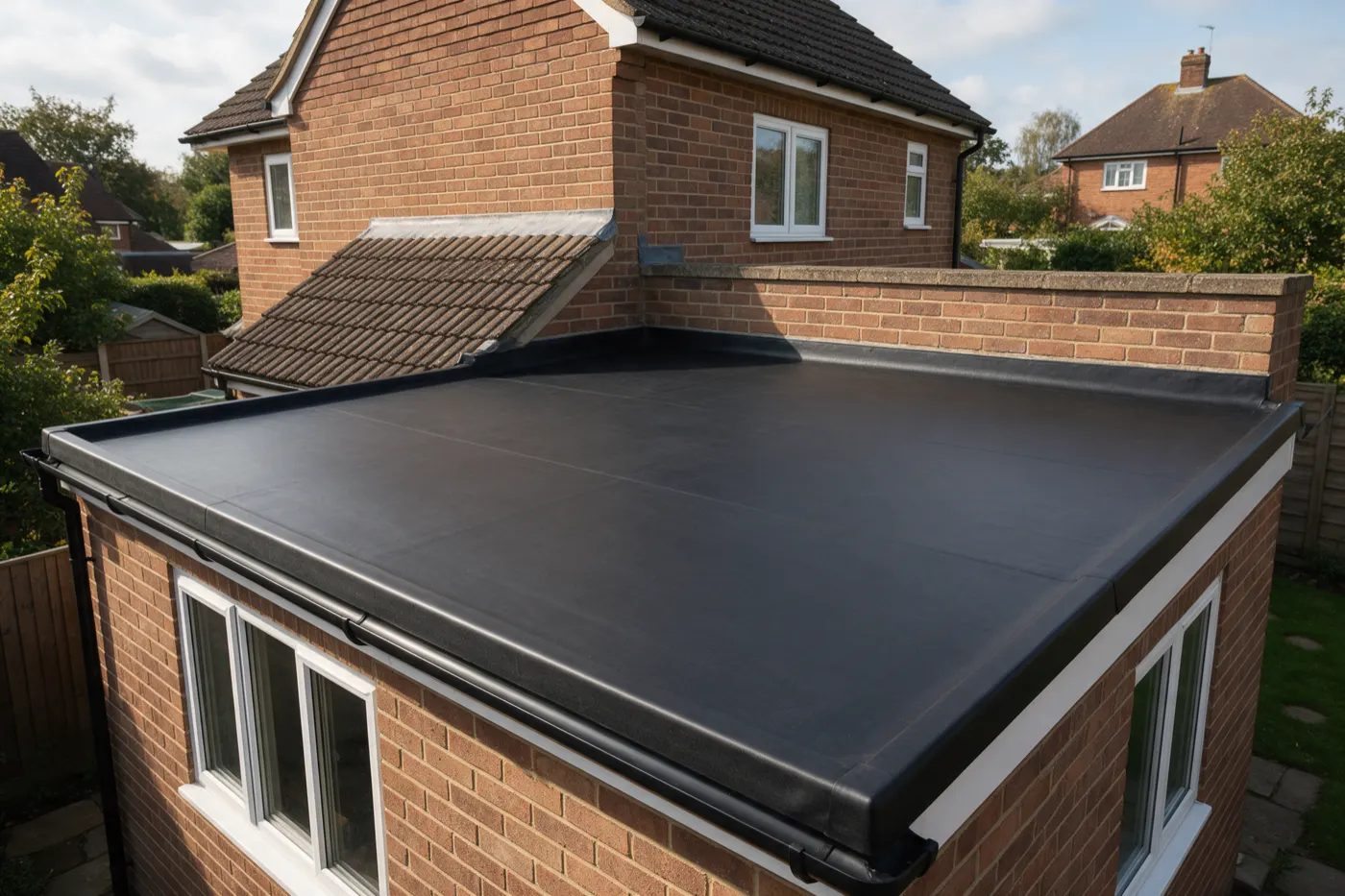
Approved Document C says a roof meets the condensation requirement if it's designed and built to BS 5250, and that cold roofs (where moisture from the house can reach the insulation) should be ventilated. Small roofs, such as over porches and bay windows, may not need it. RICS puts it simply: most pitched roofs are designed to be ventilated, and a draughty loft above the insulation is generally a dry loft.
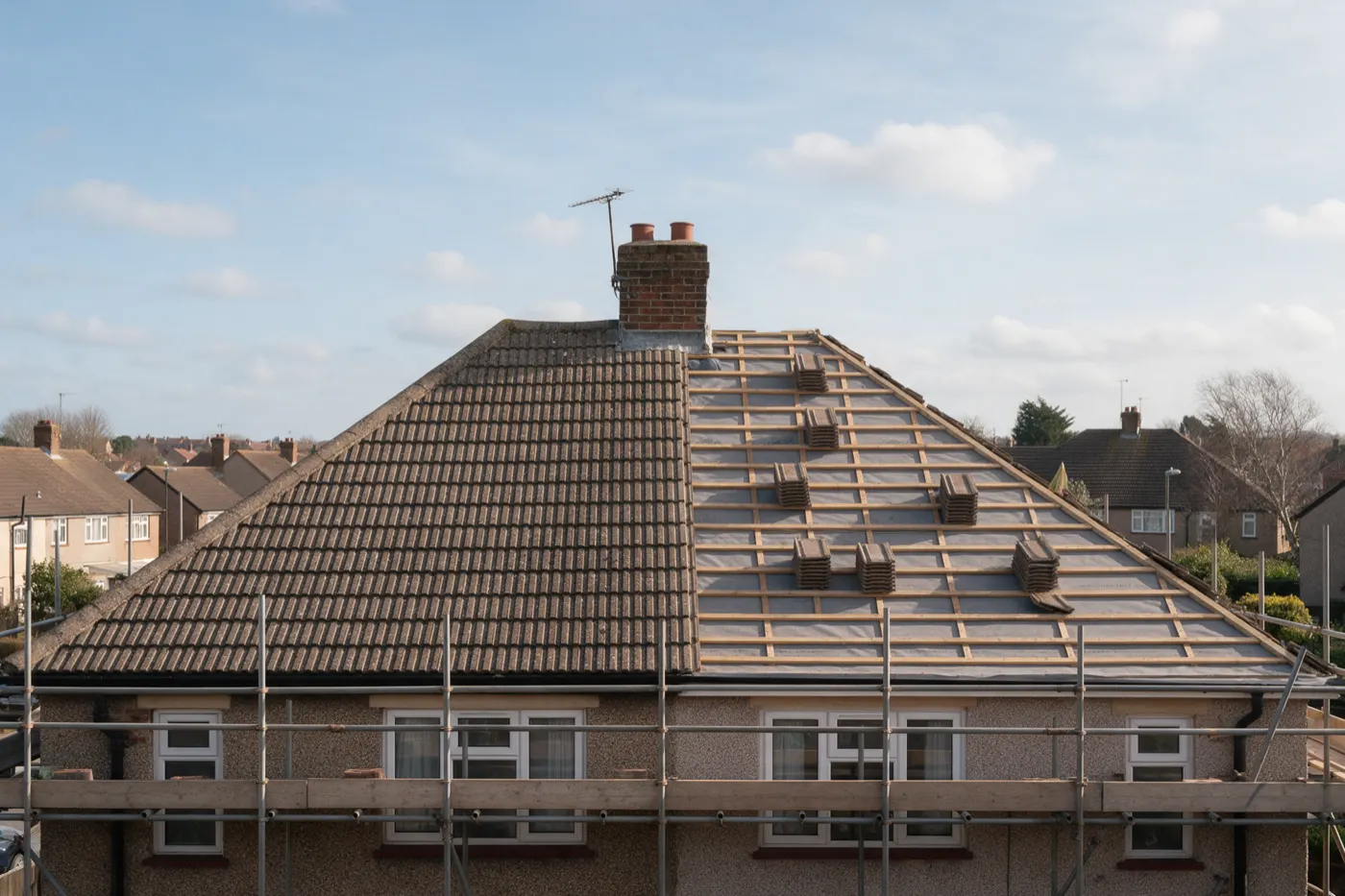
What's needed depends on the underlay under your tiles. Marley, the roofing maker, says that with old bitumen felt (a "high-resistance" underlay), ventilation at the eaves and at the ridge is recommended as a minimum in most cases.
Rooms in the roof and spray foam
Rooms in the roof are harder. RICS warns that insulating only part of a room in the roof can push condensation somewhere else, so get advice on the whole roof rather than adding vents piecemeal. And don't let anyone sell you spray foam as a ventilation fix: it turns a ventilated cold roof into a sealed warm one, which RICS treats as a serious change. More on roof felt and spray foam.
Get roof ventilation quotes
Before anyone adds vents, they need to know what you're seeing in the loft.
Free, no obligation. We're paid by MyJobQuote when a tradesperson buys your job, never by you.
Frequently asked questions
How much does it cost to install roof vents?
On our estimates, £200 to £300 for about 20 eaves vents, £350 to £550 for four tile vents, or £500 to £650 for ridge and eaves vents together.
Is a roof vent fitted by a roofer or builder?
A roofer: vents in the slope or ridge mean lifting and refitting tiles, and soffit vents are roofline work.
What is the best way to ventilate a roof?
It depends on the underlay. With old bitumen felt, Marley recommends vents at the eaves and the ridge as a minimum. With a breathable membrane you still need high-level ventilation. Seal the ceiling and clear the eaves first.
Are roof vents a good idea?
Where a cold loft is short of ventilation, yes. But don't assume you need more: Freefoam says not every roof uses the same arrangement, so have it assessed.
How do I stop condensation in my loft?
Stop moist air getting in first: seal gaps round pipes and cables in the ceiling and draught-seal the hatch. Make sure insulation isn't blocking the eaves vents. Then add ventilation at low and high level if it's still needed.
Do I need roof vents with a breathable membrane?
Yes, at high level. Marley says relying on a breathable membrane as the only ventilation is a common mistake; British Standards and the NHBC require high-level ventilation with it.
How we priced thisView sources (5, 3 official)
Rules come from the legislation and official guidance, read at source. Prices are our estimates: we check them against trade price data, retailer shelf prices and specialists' price lists, then build them up from their parts so the totals add up. Below are the sources behind the page; the trade price guides we only compare against aren’t listed. Where sources disagreed, we've said so. More on our method.
- OfficialApproved Document C: Site preparation and resistance to contaminants and moisture (roofs, paragraphs 6.10 to 6.12), GOV.UK. Checked 15 Oct 2026.
- OfficialHow to insulate a loft, Energy Saving Trust. Checked 15 Oct 2026.
- IndustryRoofing underlays: what type should you use? (updated 7 March 2025), Marley. Checked 15 Oct 2026.
- IndustryWhy roof ventilation matters more than you think, Freefoam. Checked 15 Oct 2026.
- OfficialSpray foam insulation: consumer guide, RICS. Checked 15 Oct 2026.