The Short Answer
On our estimates, running a Cat6 ethernet cable to a room costs about £80 to £130 per data point in a lived-in house. Four points with a patch panel, for a home office, are £350 to £550; wiring a whole house of around 16 points £1,450 to £2,100.
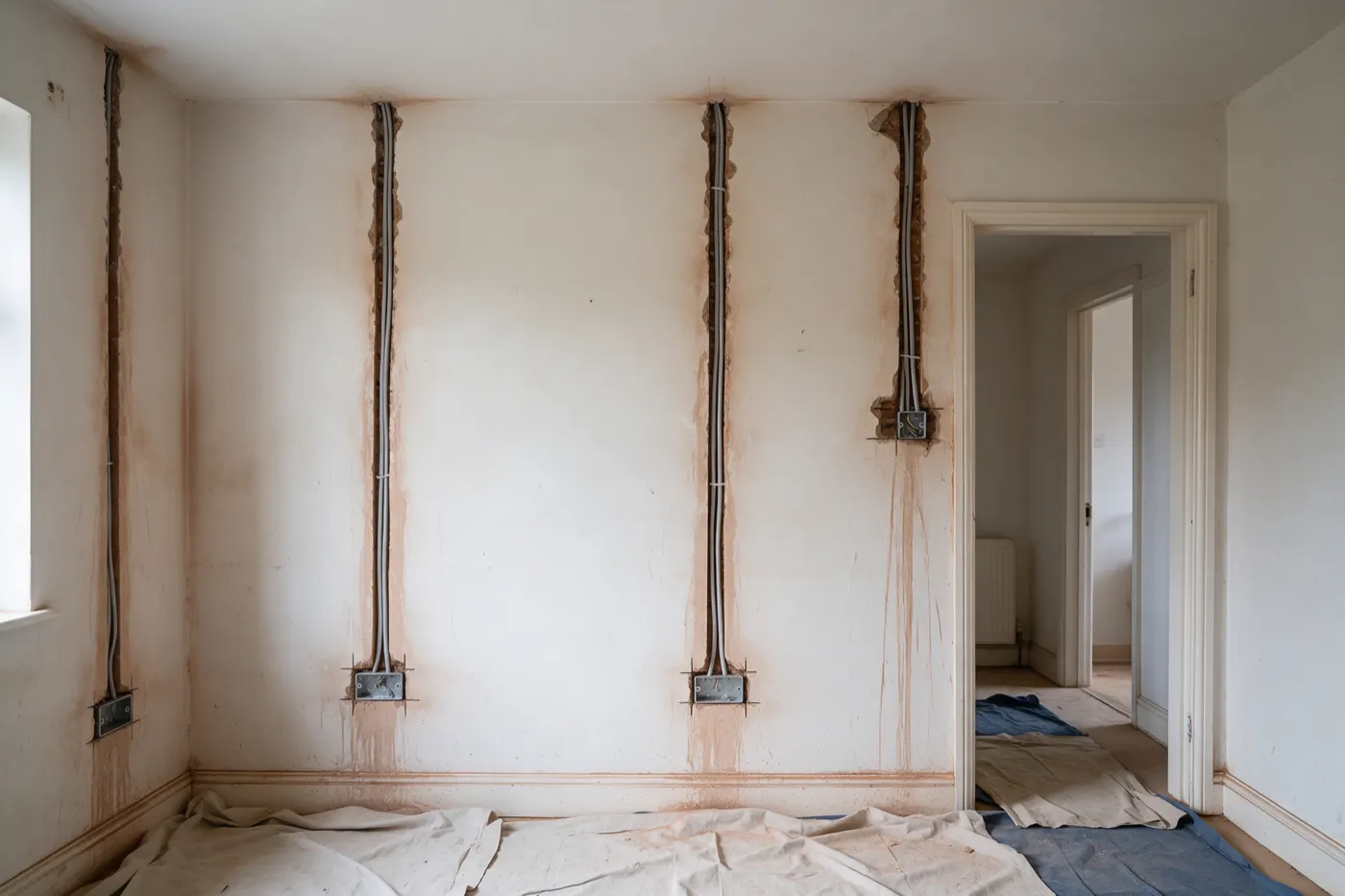
The cheapest time to do it is during building work, while floors and walls are open. Retrofitting later means lifting and making good.
Network cabling prices
| Item | Typical cost |
|---|---|
| Single Cat6 data point | £80 to £130 |
| Four points with a patch panel | £350 to £550 |
| Whole house, around 16 points | £1,450 to £2,100 |
What the price should include
A per-point price from a cabling firm should cover the cable, the wall plate at each end, and testing each run, with the cables terminated into a patch panel and any holes made good. A single point is usually an hour or two. I'd ask for the test results in writing.
How many points, and where
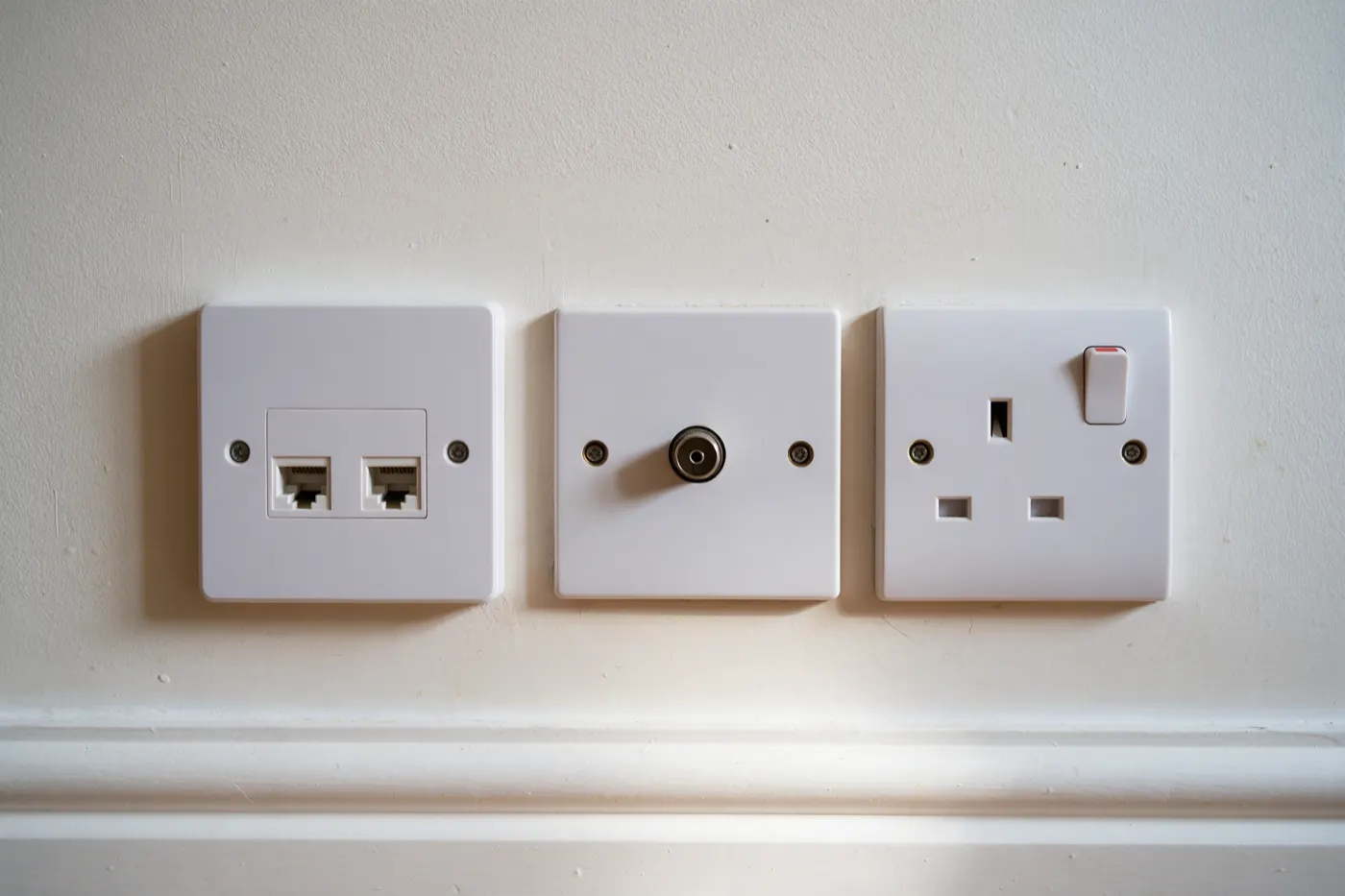
The cable is the cheap part; lifting floors and making good is what you pay for, and that costs much the same whether one cable or three go through a route. So the common mistake is wiring too few. Astral Networking Solutions, an installer, gives this rough guide for a family house:
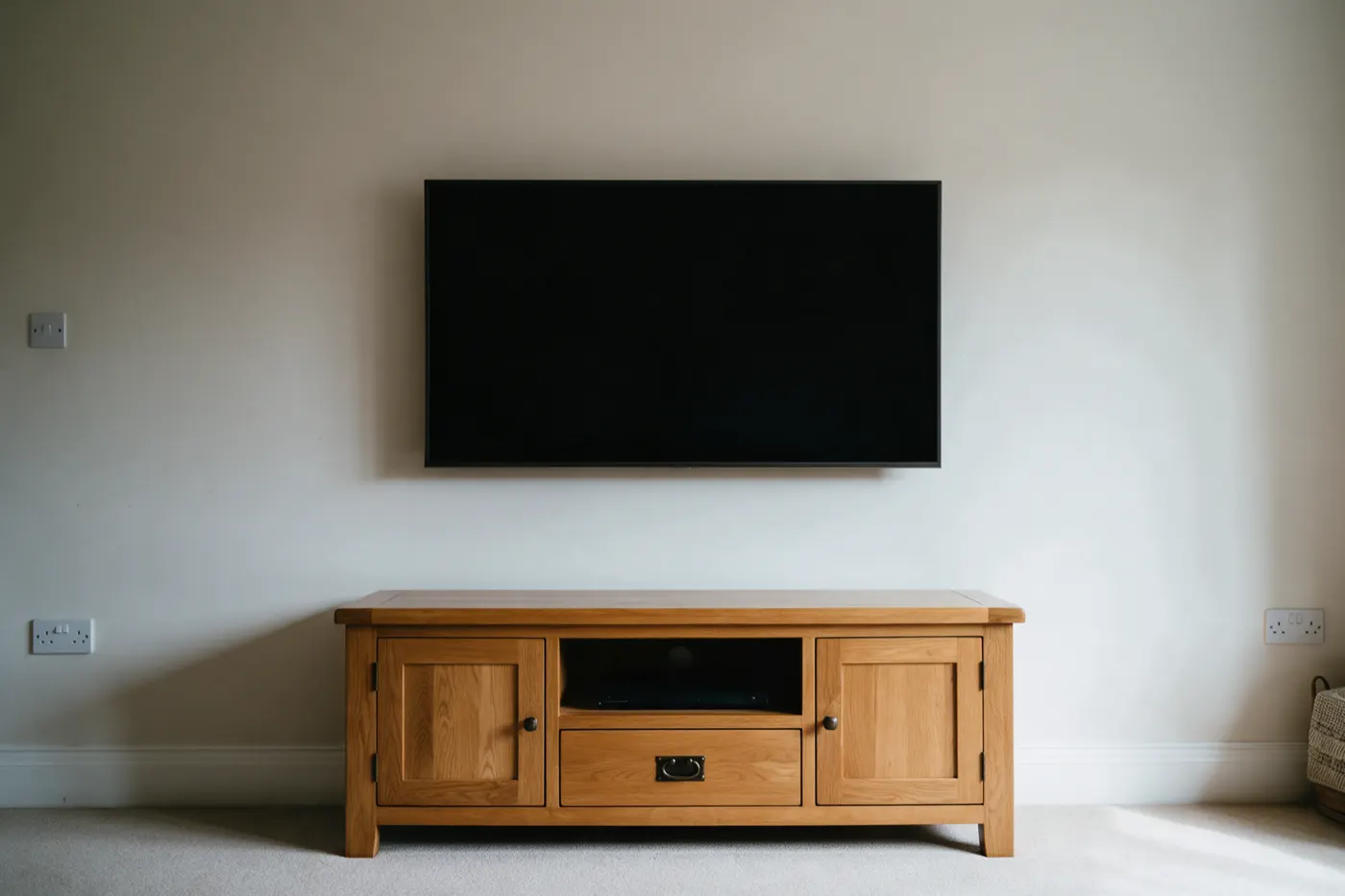
- Two at each TV: the TV and a console or set-top box. Running only one is the most common regret.
- Two to four in a home office, including a spare.
- One at each wifi access point, usually on a hallway or landing ceiling, one per floor to start with.
- One at each CCTV camera if you might add cameras: power-over-ethernet cameras take power and data down the same cable.
- One to a garage or garden office (fibre for a long run or across open ground), and a spare or two somewhere central.
That usually comes to twelve to twenty points for a four-bedroom house, a day or two's work.
What moves the price
- Getting the cable through: suspended timber floors and a good loft are quick; solid concrete floors or no loft access take much longer.
- Making good: lifting carpets and floorboards and putting everything back so you can't tell.
- Length: copper runs up to 90 metres; beyond that, or to an outbuilding across a yard, it becomes fibre.
- Sharing routes: several points down one route cost much less each, which is why twelve points don't cost four times as much as three.
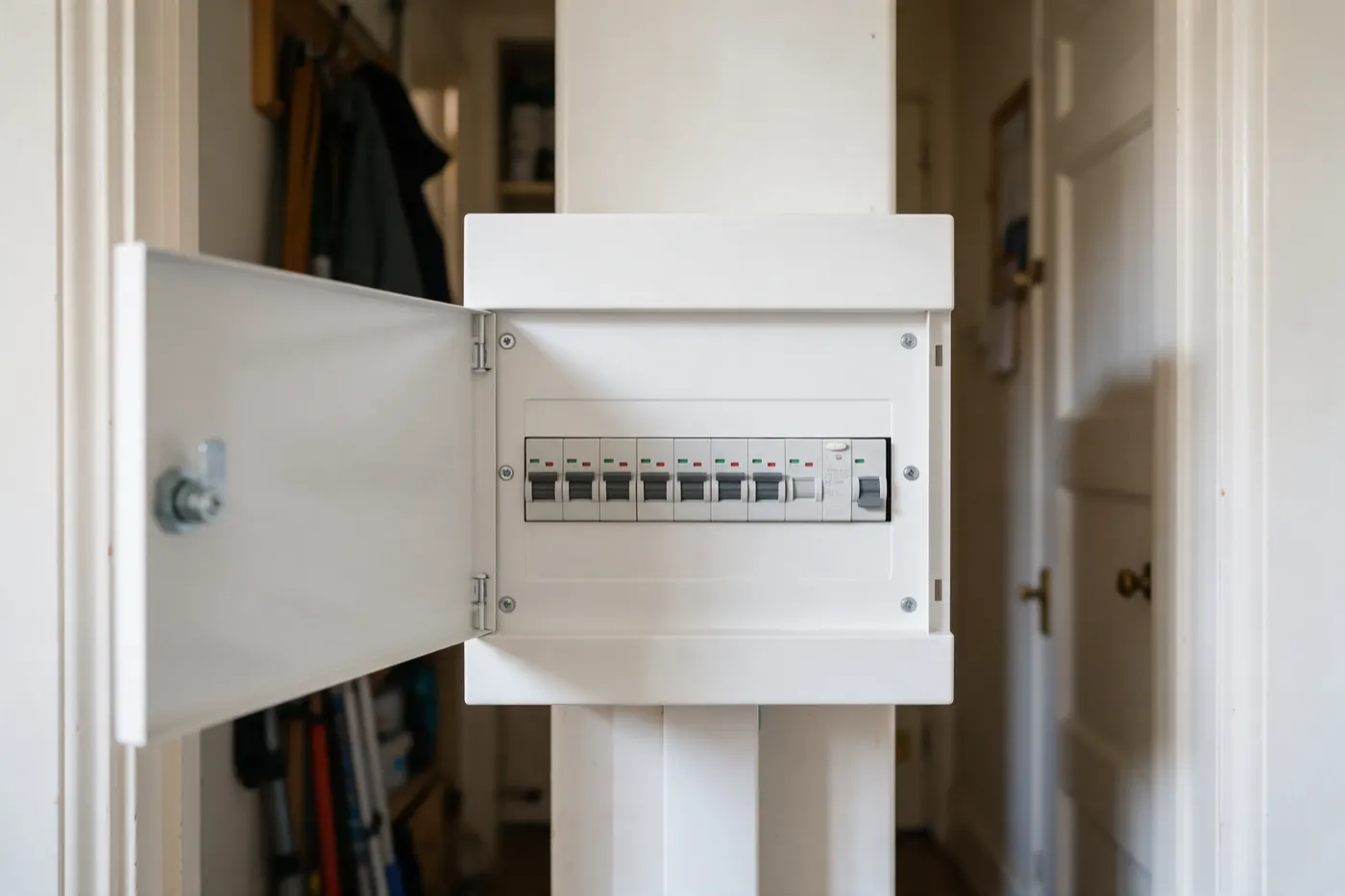
- The kit at the end: the patch panel, a small cabinet and a switch are a few hundred pounds of hardware on top.
Can you do it yourself?
For two or three runs, if you're happy lifting a floorboard and moving around the loft, the same firm says it's an achievable DIY job, and keystone modules are more forgiving than crimping plugs. It stops being a weekend job when there are many runs through a finished house, joists to drill, data cable to keep away from mains and everything to put back invisibly. Whoever does it, get every run tested with a proper tester, not just a continuity light: a run can pass a basic test and still drop data under load.
Getting it right
- Plan it into a renovation. Astral says the same points can cost a small fraction of the retrofit price when the floors are already up.
- Terminate into a patch panel. Every cable ends in one labelled place next to the router and switch, instead of loose plugs.
- Cat6 for new runs. Existing Cat5e still carries gigabit, so there's often no case for ripping it out.
- Wire your wifi too. A mesh node that relays to another wirelessly roughly halves its speed at each hop; access points with a cable back to the switch don't.
- For a garden office, see garden offices.
Get home network & wifi quotes
Home networks are priced by the number of data points and cable runs.
Free, no obligation. We're paid by MyJobQuote when a tradesperson buys your job, never by you.
Frequently asked questions
How much does it cost to run ethernet cables?
On our estimates, about £80 to £130 per data point, or £1,450 to £2,100 for a whole house of around 16 points.
Is ethernet better than mesh wifi?
For speed, yes. A mesh node relaying wirelessly loses roughly half its throughput at each hop. The best wifi has cables behind it.
Who installs home networks?
Data cabling firms and some electricians. Ask for every point to be tested.
How many ethernet points does a house need?
Astral Networking Solutions, an installer, suggests two at each TV, two to four in a home office, one per wifi access point and CCTV camera, and a spare or two: twelve to twenty for a four-bedroom house.
Can I run ethernet cable myself?
For two or three runs with easy loft and floor access, yes. For many runs through a finished house, use a cabling installer, and have every run tested either way.
Cat6 or Cat5e?
Cat6 for new runs. Cat5e still carries gigabit, so existing cable is often fine.
How we priced thisView sources (1)
Rules come from the legislation and official guidance, read at source. Prices are our estimates: we check them against trade price data, retailer shelf prices and specialists' price lists, then build them up from their parts so the totals add up. Below are the sources behind the page; the trade price guides we only compare against aren’t listed. Where sources disagreed, we've said so. More on our method.
- IndustryWiring a house for ethernet: Cat6 costs and patch panels, Astral Networking Solutions. Checked 16 Oct 2026.