The Short Answer
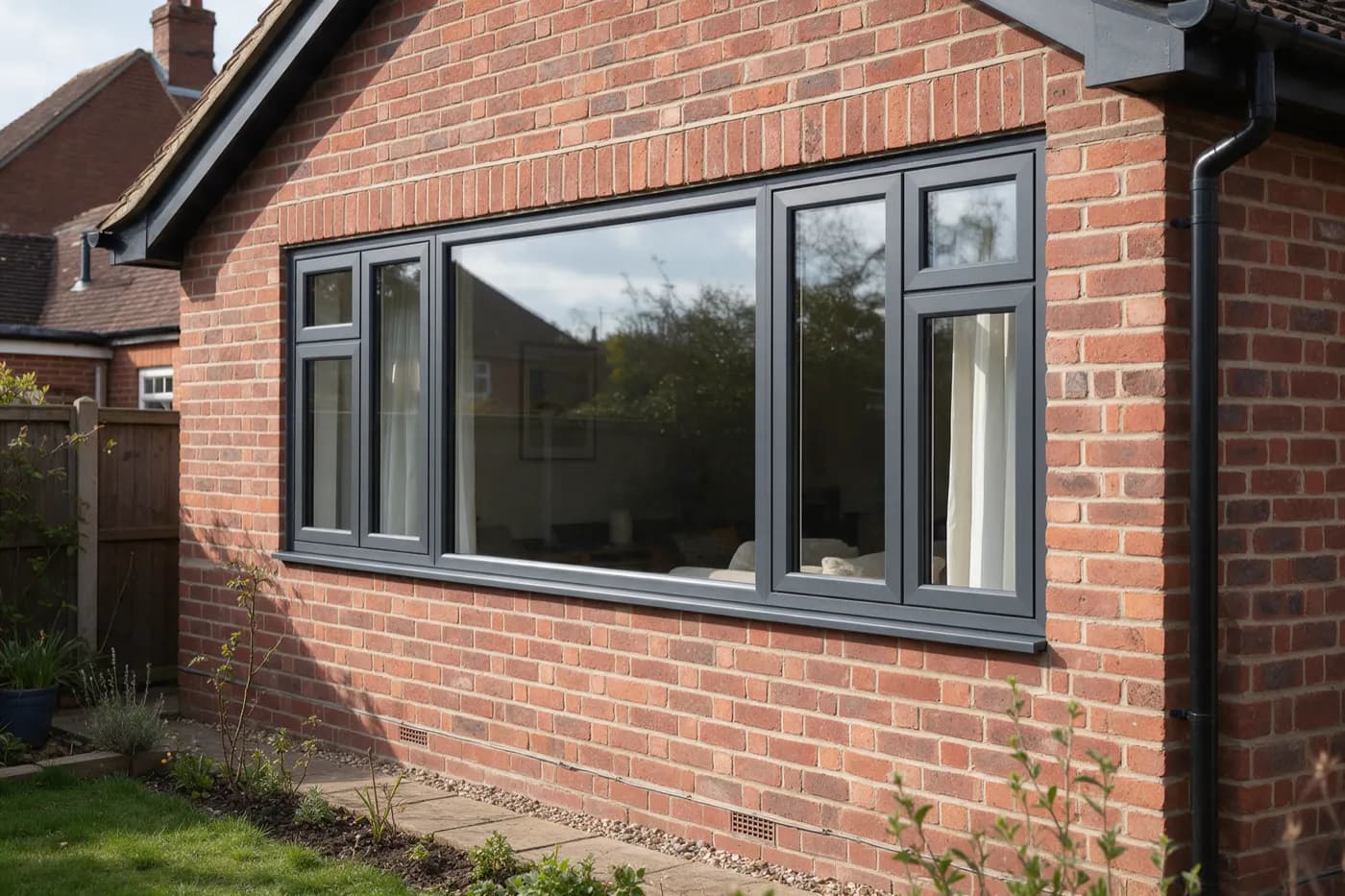
On our estimates, double glazing costs £450 to £900 per uPVC window fitted, or about £4,050 to £8,100 for a semi's 9 windows. The Energy Saving Trust puts the saving from double glazing an entirely single-glazed semi at about £85 a year in Great Britain, so on bills alone it takes decades to pay back.
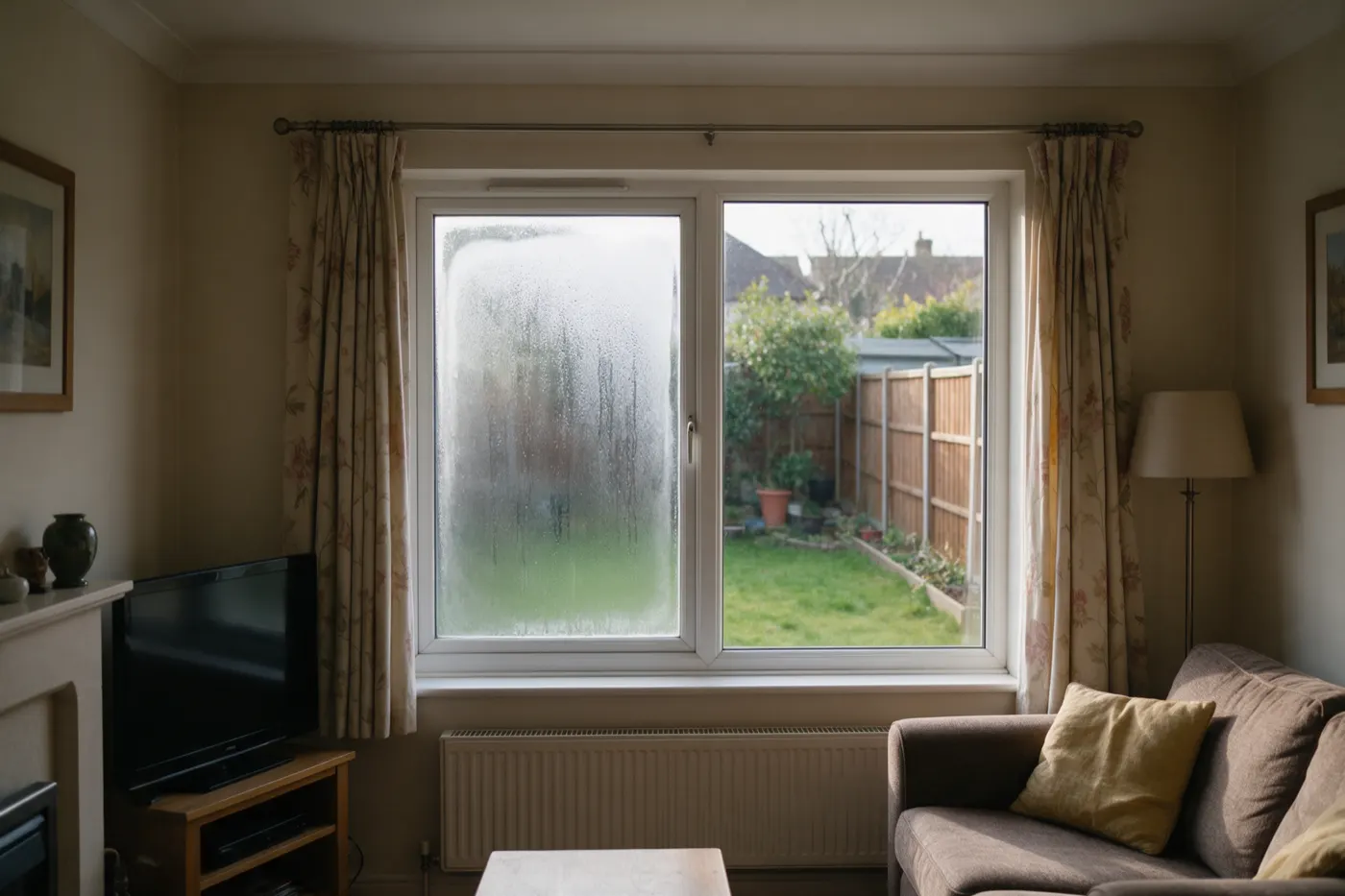
That doesn't make it a bad buy. The Energy Saving Trust lists the other benefits: fewer draughts and cold spots, less outside noise, and less condensation on the glass. I'd buy it for those, and not believe a salesperson who says it pays for itself in a few years.
Is double glazing worth it? Payback checker
Compares the cost of upgrading a single-glazed home with the Energy Saving Trust's estimate of what it saves on bills.
New uPVC double glazing
£4,050 to £8,100
Pays back in about 48 to 95 years on energy savings alone.
Secondary glazing
£2,700 to £5,850
The Energy Saving Trust doesn't publish a comparable saving for secondary glazing, so we don't estimate a payback. It says secondary glazing can be cheaper than new windows.
Saving used: about £85 a year, scaled from the Energy Saving Trust's £85 (checked October 2026) for fitting A-rated double glazing in an entirely single-glazed semi of about 9 windows. Your saving depends on your heating, the windows and the house. Comfort, noise, condensation and security are usually better reasons to do it than the payback.
What double glazing costs
| Job | Typical cost |
|---|---|
| New uPVC double-glazed window, fitted | £450 to £900 |
| Aluminium | £800 to £1,600 |
| Timber | £900 to £1,800 |
| Semi, 9 uPVC windows | £4,050 to £8,100 |
| Triple glazing instead | About 15% to 30% more |
| Secondary glazing, per window | £300 to £650 |
| Replacing a misted sealed unit only | £150 to £350 for the first |
Is double glazing worth it?
When we checked in October 2026, the Energy Saving Trust put the saving from fitting A-rated double glazing in an entirely single-glazed semi at £85 a year in Great Britain (£140 in Northern Ireland) and 290kg of CO2. It also put a set of A-rated windows for a semi at around £4,800. That's about 56 years to pay back on bills.
It's worth doing when:
- the windows are failing or single glazed and draughty, and need replacing anyway,
- you live on a noisy road, or
- condensation on the glass is a constant problem.
If lower bills are the main aim, I'd price cheaper measures such as draught-proofing first. And replacing double glazing that's old but still sealed will save less than the single-glazing figure above.
How long does double glazing last?
The Energy Saving Trust says good double glazing, properly installed and maintained, lasts 20 to 35 years, and can go well beyond that with cleaning, checks on the seals and gaskets, and ventilation. Its signs that it's time to replace: condensation between the panes, discolouration, draughts, or windows that are hard to open and close.
So 10-year-old double glazing that works is nowhere near the end of its life. At 25 years, I'd replace only what's failing: a misted pane can often be replaced on its own (see misted glass replacement), and a sound frame doesn't need replacing for a slightly better rating.
What to ask for
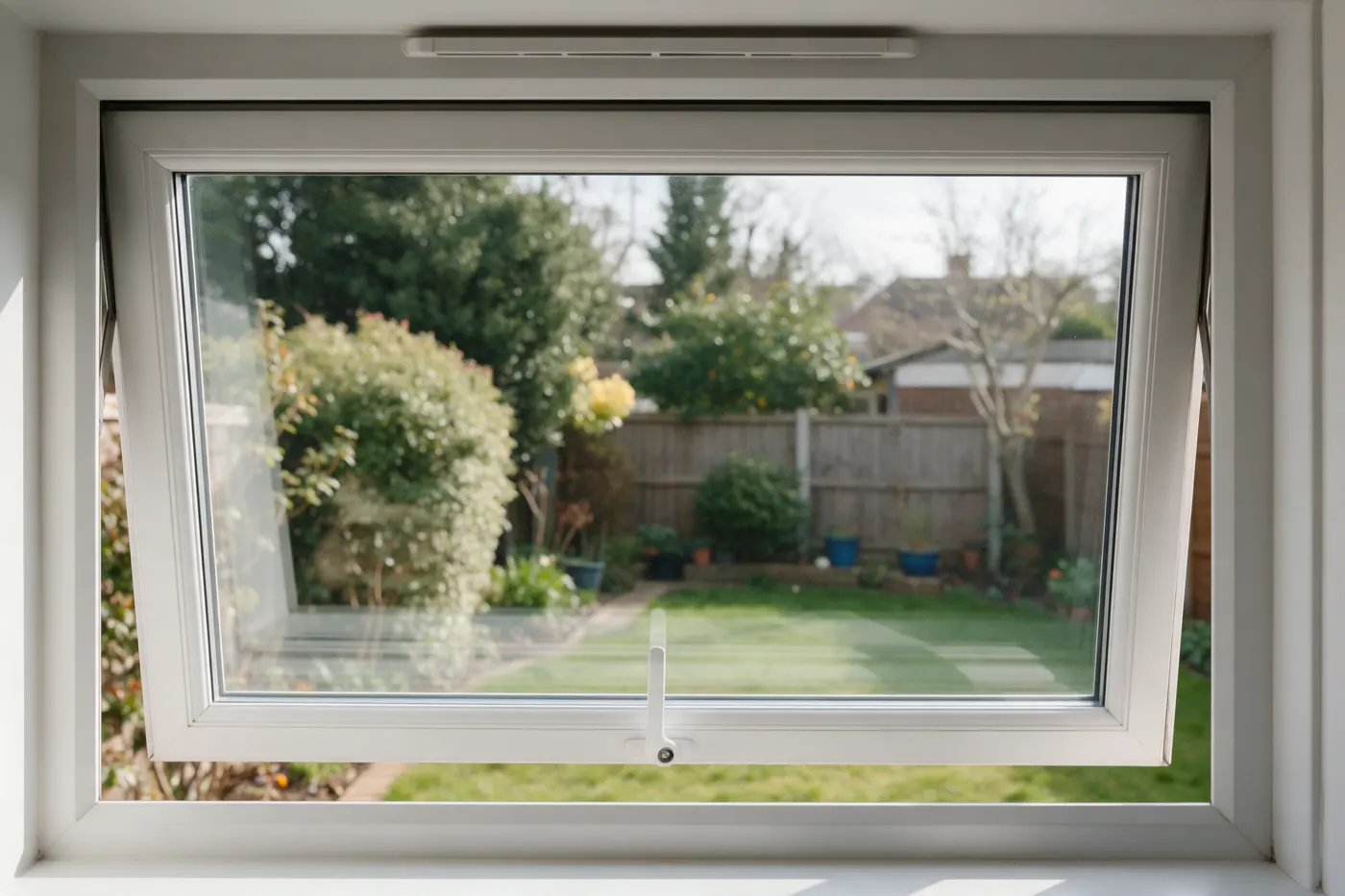
- The energy rating: the regulations require a U-value of 1.4 W/m²K or a Window Energy Rating of band B or better. Ratings run from A++ to E and cover the whole window.
- Low-E glass: the Energy Saving Trust calls low-emissivity glass the most energy efficient for double and triple glazing; a thin metal oxide coating reflects heat back into the room.
- Gas fill: argon in the gap insulates better than air.
- Warm-edge spacers: spacers with little or no metal are more efficient.
- Triple glazing: around 20% dearer by the Energy Saving Trust's reckoning; it says the energy, sound and security benefits can make it worth it in cold or noisy places.
Cheaper ways to get most of the benefit
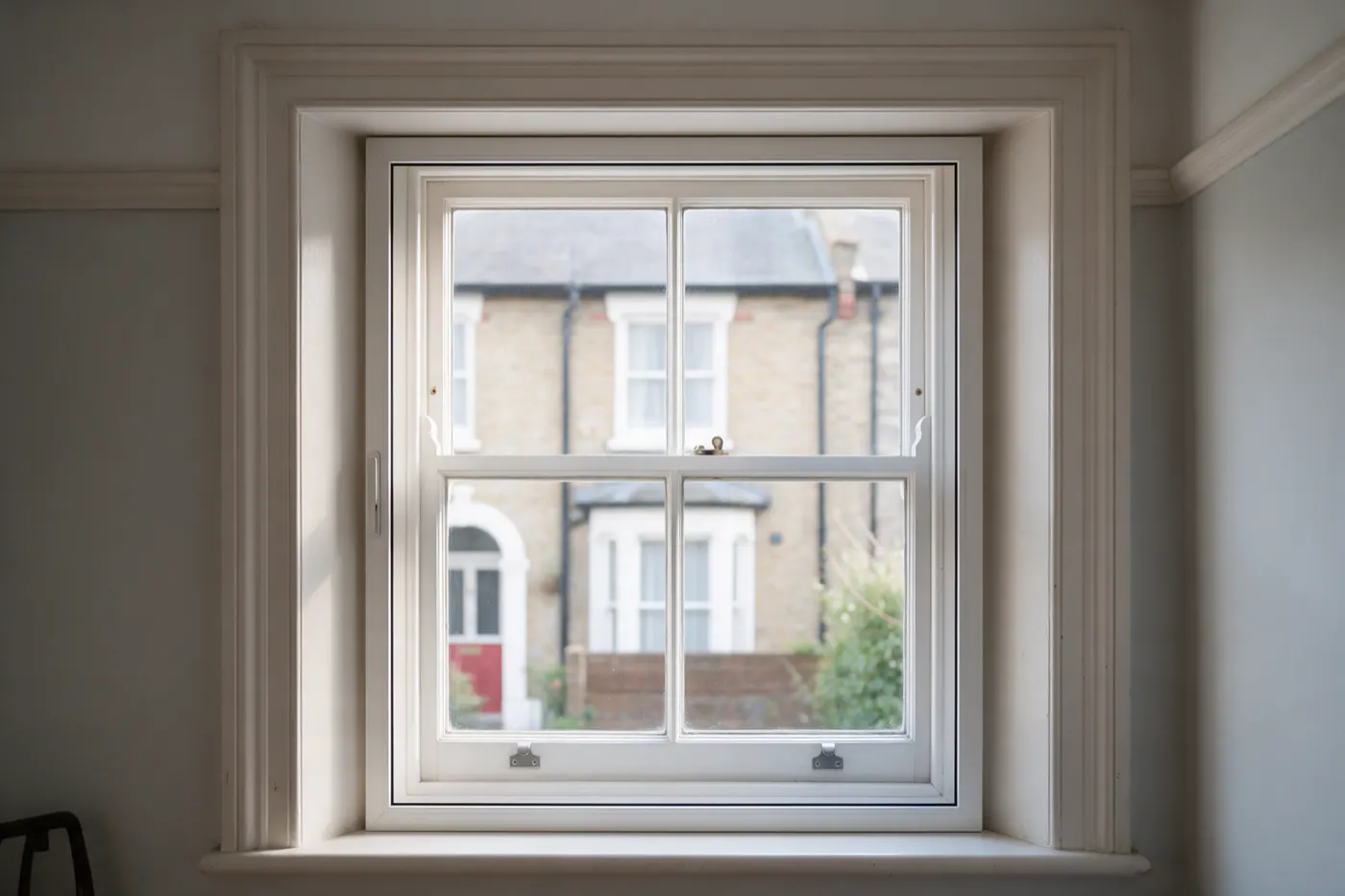
- Secondary glazing: £300 to £650 a window, and it keeps the original windows. The Energy Saving Trust says permanent secondary glazing can be more energy efficient than replacing the windows.
- Draught-proofing: draught strips are zero-rated for VAT until 31 March 2027 when installed.
- Replacing only misted units: misted glass replacement.
- Heavy lined curtains and shutters, which the Energy Saving Trust suggests for historic homes: plantation shutters.
Get double glazing quotes
Tell installers what you've got now and what you want it to do, and they'll price the right glazing.
Free, no obligation. We're paid by MyJobQuote when a tradesperson buys your job, never by you.
Frequently asked questions
How much should I expect to pay for double glazing?
On our estimates, £450 to £900 per uPVC window fitted, so about £4,050 to £8,100 for a semi with 9 windows.
How much will double glazing save on my bills?
The Energy Saving Trust estimates about £85 a year for an entirely single-glazed semi in Great Britain (£140 in Northern Ireland). Homes with old double glazing save less.
Is it worth replacing 10 year old double glazing?
Usually not. The Energy Saving Trust says good double glazing lasts 20 to 35 years. Replace a misted unit or a failed seal, not the whole window.
Is it worth replacing 25 year old double glazing?
Only where it's failing: condensation between the panes, draughts, discolouration or windows that won't open and close properly, which are the Energy Saving Trust's signs. Sound windows can last well beyond 35 years.
Is triple glazing worth it over double glazing?
The Energy Saving Trust puts triple glazing at around 20% more, and says the energy, sound and security benefits can make it worth it in cold or noisy areas.
Is there VAT on double glazing?
Yes, standard rate. HMRC lists secondary and double glazing as standard-rated, unlike insulation and draught stripping.
How we priced thisView sources (5, 2 official)
Rules come from the legislation and official guidance, read at source. Prices are our estimates: we check them against trade price data, retailer shelf prices and specialists' price lists, then build them up from their parts so the totals add up. Below are the sources behind the page; the trade price guides we only compare against aren’t listed. Where sources disagreed, we've said so. More on our method.
- IndustryEnergy efficient windows and doors (updated 20 May 2026), Energy Saving Trust. Checked 15 Oct 2026.
- OfficialEnergy-saving materials and heating equipment (VAT Notice 708/6), HM Revenue & Customs. Checked 16 Oct 2026.
- OfficialApproved Document L: Conservation of fuel and power, Volume 1 Dwellings (2021 edition incorporating 2023 amendments), GOV.UK. Checked 16 Oct 2026.
- Trade guideDouble glazing costs in the UK, Checkatrade. Checked 15 Oct 2026.
- Trade guideNew windows cost guide and calculator, Checkatrade. Checked 15 Oct 2026.