The Short Answer
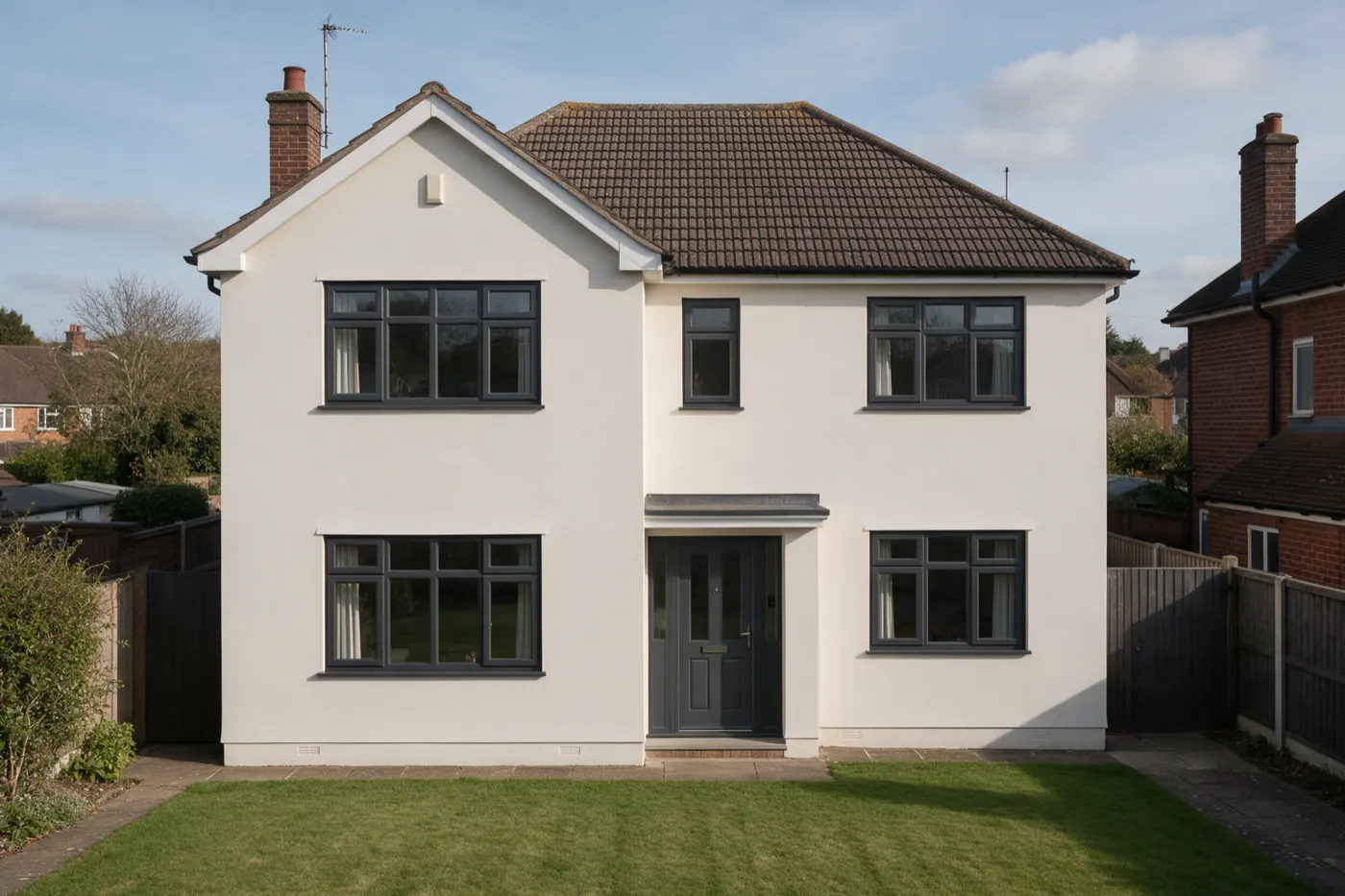
On our estimates, repointing brickwork costs £50 to £90 per m² in a cement-based mortar and £70 to £120 in lime, including raking out. One side of a two-storey house is about £2,000 to £3,700 with scaffold and takes 3 to 5 days; a chimney stack is £360 to £1,200.
Most houses don't need repointing all over. Historic England says comprehensive repointing is rarely necessary: usually only the parts most exposed to the weather, or affected by something like a leaking gutter or pipe, need it. Fix the leak first.
Repointing cost calculator
Measure only the areas that need it. Repointing a whole house is rarely necessary.
Estimated total
£1,630 to £2,880
| Rake out and repoint 25m² in cement mortar | £1,250 to £2,250 |
| Scaffold to reach it | £380 to £630 |
Repointing prices
| Job | Typical cost |
|---|---|
| Brickwork, cement-based mortar, per m² | £50 to £90 |
| Brick or stone, lime mortar, per m² | £70 to £120 |
| One side of a two-storey house (about 30m²), with scaffold | £2,000 to £3,700 |
| Chimney stack | £360 to £1,200 |
| Scaffold, per m² of wall | £15 to £25 |
Lime or cement?
Historic England's key principle is that the mortar should be slightly weaker and more permeable than the brick or stone. Then moisture leaves the wall through the joints, and the joints take the wear. Use a hard cement mortar on an old wall and the moisture movement is pushed into the bricks or stones instead, which makes frost and salt damage more likely.
On a modern house built in cement mortar, the repointing should match what's there.
What good repointing looks like
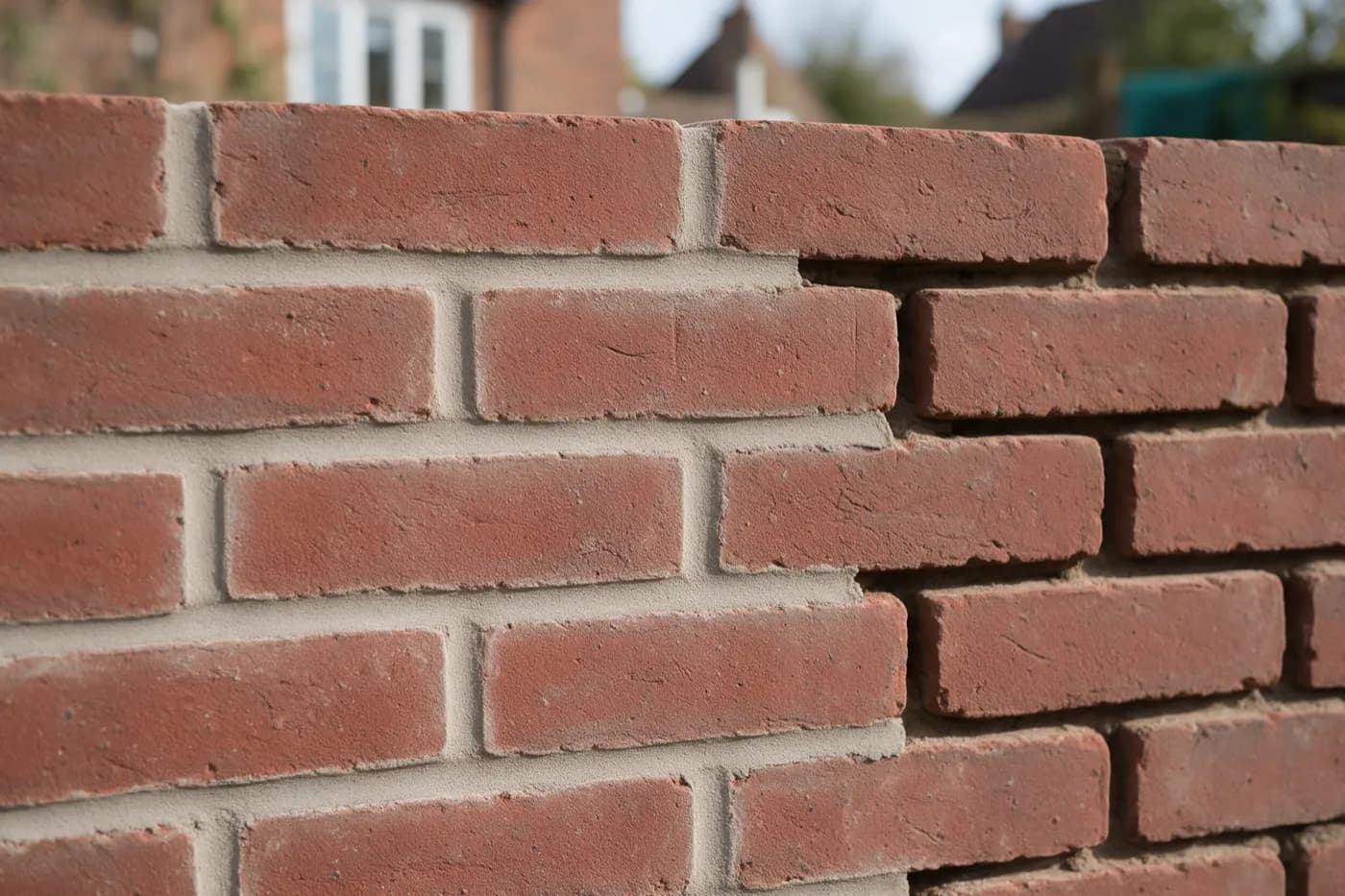
- Raked out by hand. Historic England says defective pointing should be raked out with hooked tools or chisels to at least twice the height of the joint. It doesn't recommend angle grinders: they don't clear the joint properly and easily damage the face of the brick.
- Only the bad joints. Sound old mortar is left alone.
- The right weather. It advises against lime work on very cold, very hot or very windy days, ideally doing it in spring, summer or early autumn, with protection for the new mortar.
- A matching finish. Agree the joint finish and a sample before work starts; new mortar tones down as it weathers.
Do you need permission?
For a listed building, Historic England says consent will usually be needed before any repointing, and a sample may have to be agreed first. In a conservation area it may need consent depending on local controls. In either case, contact the council well before the start date.
Can you repoint yourself?
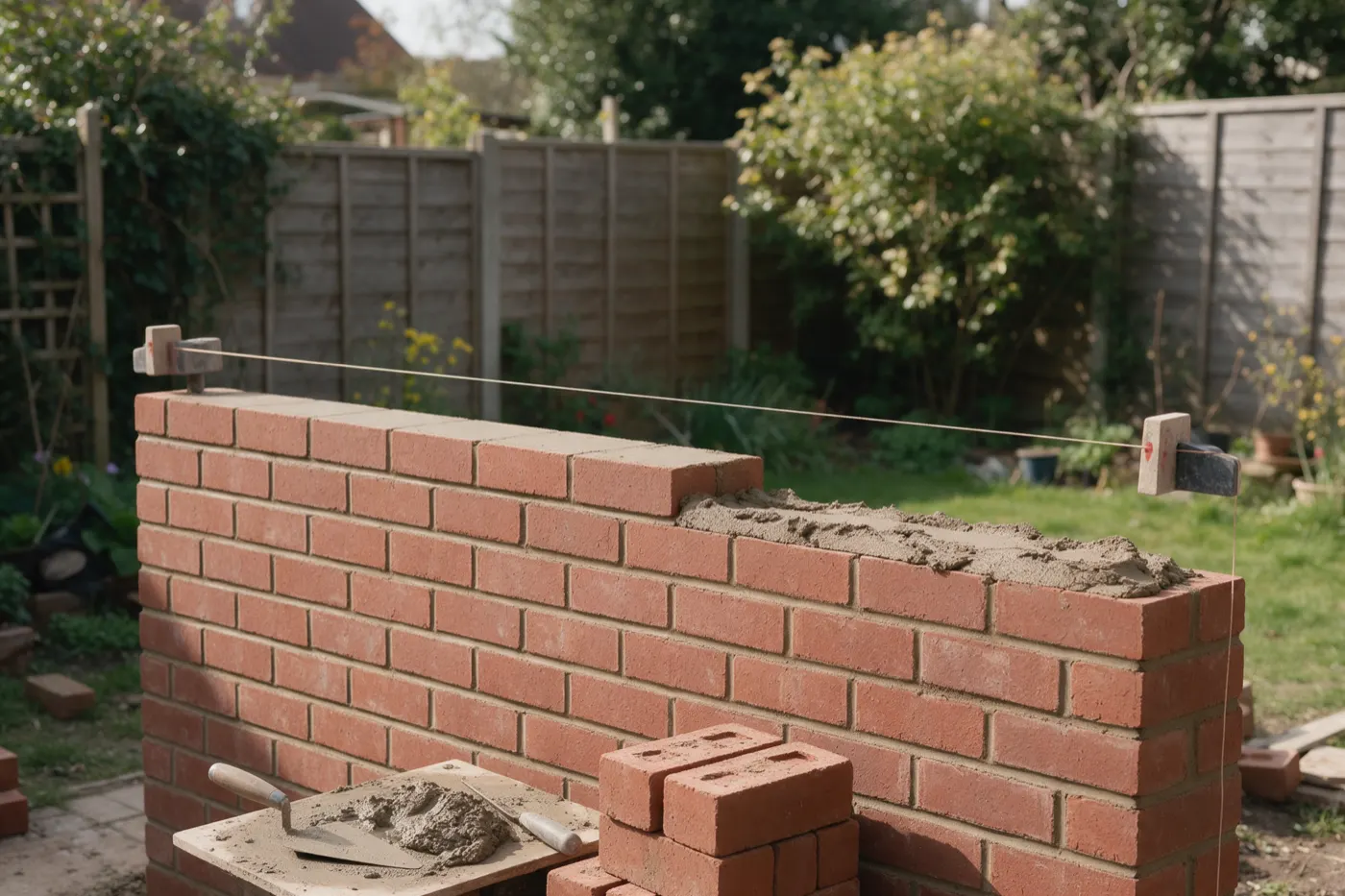
Historic England says lime repointing should generally be done by an experienced contractor, but that practically minded homeowners can master it with training, because lime behaves very differently from cement. A small garden wall is a good place to learn; I wouldn't start on a two-storey front elevation.
Get repointing quotes
Repointing is priced by area and by mortar. These answers get you a like-for-like quote.
Free, no obligation. We're paid by MyJobQuote when a tradesperson buys your job, never by you.
Frequently asked questions
How much does repointing cost per m²?
On our estimates, £50 to £90 in cement-based mortar and £70 to £120 in lime, including raking out. Scaffold adds £15 to £25 per m².
How much does it cost to repoint a house?
One side of a two-storey house is about £2,000 to £3,700 with scaffold. Most houses only need the exposed areas doing, not the whole house.
Is repointing a house worth it?
Where the joints have weathered away, yes: the pointing is the part of the wall meant to take the wear. But Historic England says repointing a whole building is rarely necessary, so pay for the parts that need it.
Why is repointing so expensive?
It's slow, careful hand work: each bad joint is raked out by hand to at least twice its height and refilled, often from scaffold.
Can I do repointing myself?
Historic England says practically minded homeowners can learn lime repointing with training, though it should generally be done by an experienced contractor.
Should I use lime mortar for repointing?
On older buildings, the mortar should be slightly weaker and more permeable than the brick or stone, which usually means lime. On a modern house built in cement mortar, match what's there.
How we priced thisView sources (2, 2 official)
Rules come from the legislation and official guidance, read at source. Prices are our estimates: we check them against trade price data, retailer shelf prices and specialists' price lists, then build them up from their parts so the totals add up. Below are the sources behind the page; the trade price guides we only compare against aren’t listed. Where sources disagreed, we've said so. More on our method.
- OfficialRepointing Brick and Stone Walls: Guidelines for Best Practice (HEAG144, 2017), Historic England. Checked 15 Oct 2026.
- OfficialTechnical note: repointing stone and brick, Department for Communities (Northern Ireland). Checked 15 Oct 2026.