The Short Answer
On our estimates, replacing an immersion heater element costs about £150 to £260 fitted, or £200 to £320 for a twin (dual) element. It takes one to two hours. If the cylinder has to be drained (£50 to £85) and the thermostat replaced too (£20 to £50), the total is about £220 to £400.
A plumber fits the element; a fault in the wiring or switch needs an electrician. Hard water shortens an element's life.
Immersion heater prices
| Job | Typical cost |
|---|---|
| Replace a single element | £150 to £260 |
| Replace a twin (dual) element | £200 to £320 |
| Draining the cylinder, if needed | £50 to £85 |
| Replacement thermostat | £20 to £50 |
| Element, draining and thermostat together | £220 to £400 |
Plumber or electrician?
Put simply: a plumber replaces the immersion heater, but a fault in the wiring needs an electrician, not a plumber. Plumbers charge about £40 to £60 an hour. I'd get three quotes.
Signs the element has failed
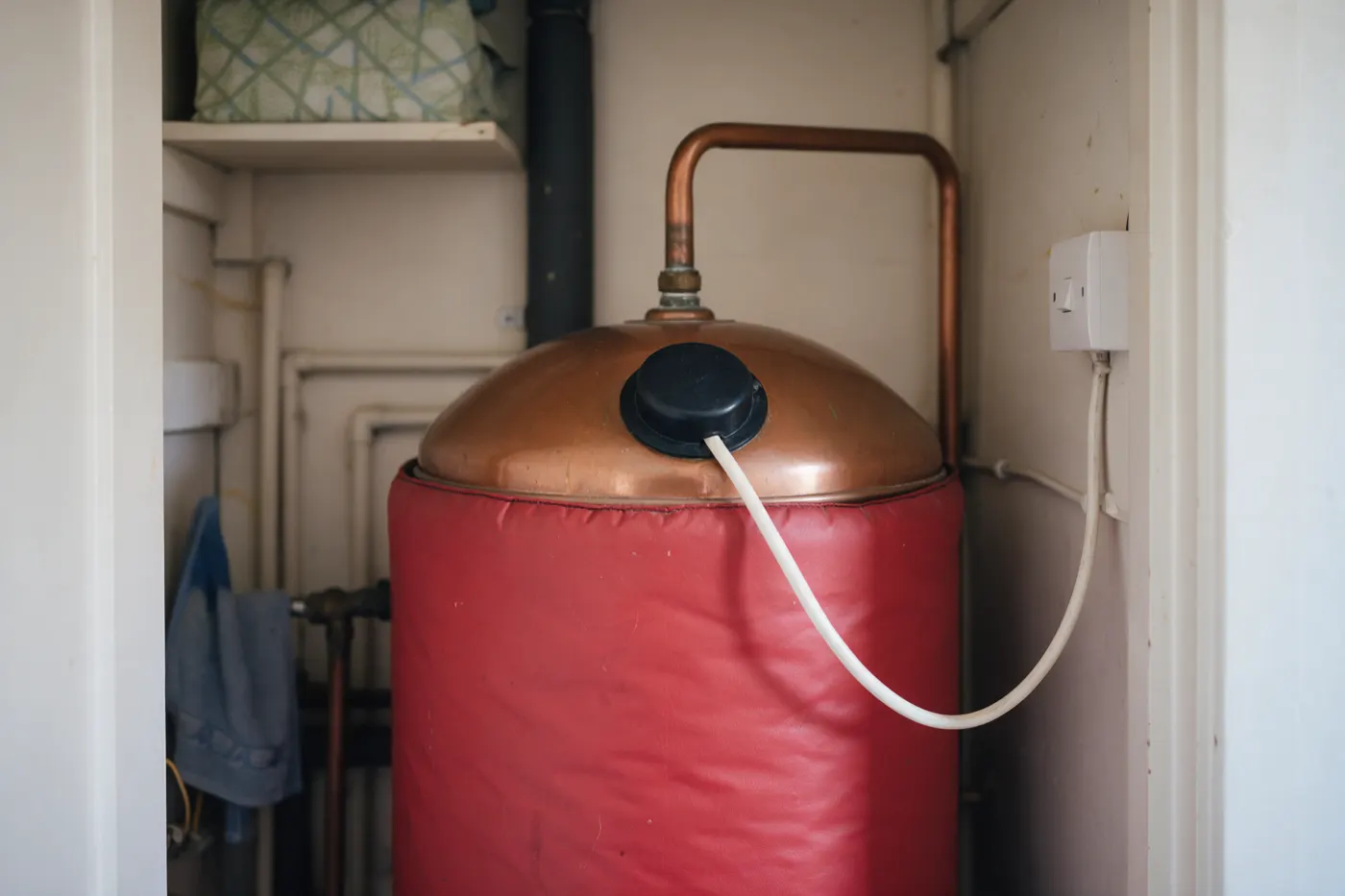
The usual signs:
- water that won't heat up fully, or comes out lukewarm;
- the circuit breaker for the immersion keeps tripping;
- a burning smell near the unit.
A plumber can test the element with a multimeter to confirm it's failed before replacing it. If the cylinder is sound, replacing just the element is much cheaper than replacing the whole unit.
Can you do it yourself?
Only if you're very confident. A competent DIYer can replace a screw-in element, provided they know how to isolate the electricity and partly drain the cylinder. Replacing the whole unit is a different matter: a botched job can cause leaks or electrical faults. For the price of a plumber's hour or two, I'd leave it to them.
Running it for less
An immersion heater uses electricity at full price, 26.32p a kWh at the 1 October to 31 December 2026 price cap, against 7.97p for gas, which makes it one of the most expensive ways to heat water. Don't leave it on all the time: I'd use a timer set to heat the water 30 to 60 minutes before you need it. If you rely on it every day, a boiler that heats the cylinder, or solar water heating, may be worth pricing.
How long they last, and limescale
Most immersion heaters last 10 to 20 years, but the element may need replacing every 5 to 10 years depending on how hard your water is, because limescale shortens its life. Once a heater is 10 to 15 years old, a full replacement is usually better value than repeated repairs.
When it's the cylinder, not the heater
If the cylinder itself is leaking or corroded, a new element won't fix it. Replacing a cylinder costs £720 to £1,450 for a vented one or £1,100 to £2,650 for an unvented one on our estimates: see hot water cylinder replacement.
Get immersion heater quotes
Immersion heaters are a fixed-price swap once the plumber knows the cylinder.
Free, no obligation. We're paid by MyJobQuote when a tradesperson buys your job, never by you.
Frequently asked questions
Who replaces an immersion heater, a plumber or an electrician?
A plumber replaces the heater or element; a wiring fault needs an electrician.
How much does a plumber charge to replace an immersion heater?
About £150 to £260 for a single element, or £220 to £400 if the cylinder needs draining and the thermostat replacing too, on our estimates.
How long do immersion heaters last?
Most last 10 to 20 years, though the element may need replacing every 5 to 10 years in hard water areas.
How long does it take to replace an immersion heater?
About one to two hours on our estimates: less than half a day, depending on access.
Is it cheaper to leave an immersion heater on all the time?
No. Use a timer to heat the water 30 to 60 minutes before you need it.
How we priced thisView sources (1, 1 official)
Rules come from the legislation and official guidance, read at source. Prices are our estimates: we check them against trade price data, retailer shelf prices and specialists' price lists, then build them up from their parts so the totals add up. Below are the sources behind the page; the trade price guides we only compare against aren’t listed. Where sources disagreed, we've said so. More on our method.
- OfficialEnergy price cap unit rates and standing charges, 1 October to 31 December 2026, Ofgem. Checked 15 Oct 2026.