The Short Answer
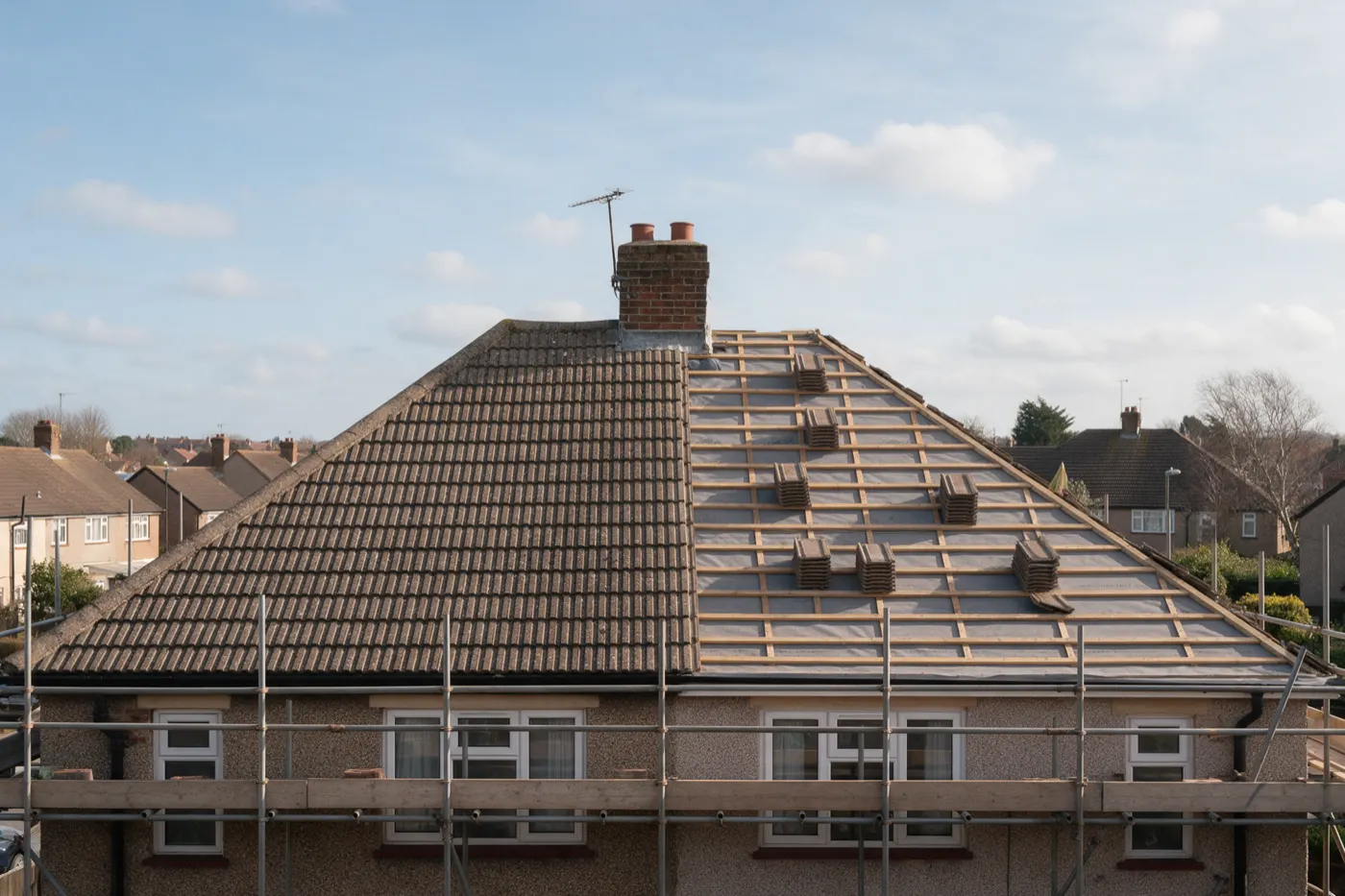
Replacing the roof on a typical three-bed semi costs £8,600 to £13,900 in concrete tiles and £11,200 to £20,400 in natural slate, including scaffolding, skips and topping up the loft insulation. That's about 64m² of roof, stripped to the rafters and rebuilt with a new membrane, battens and covering, and it takes about a week on site.
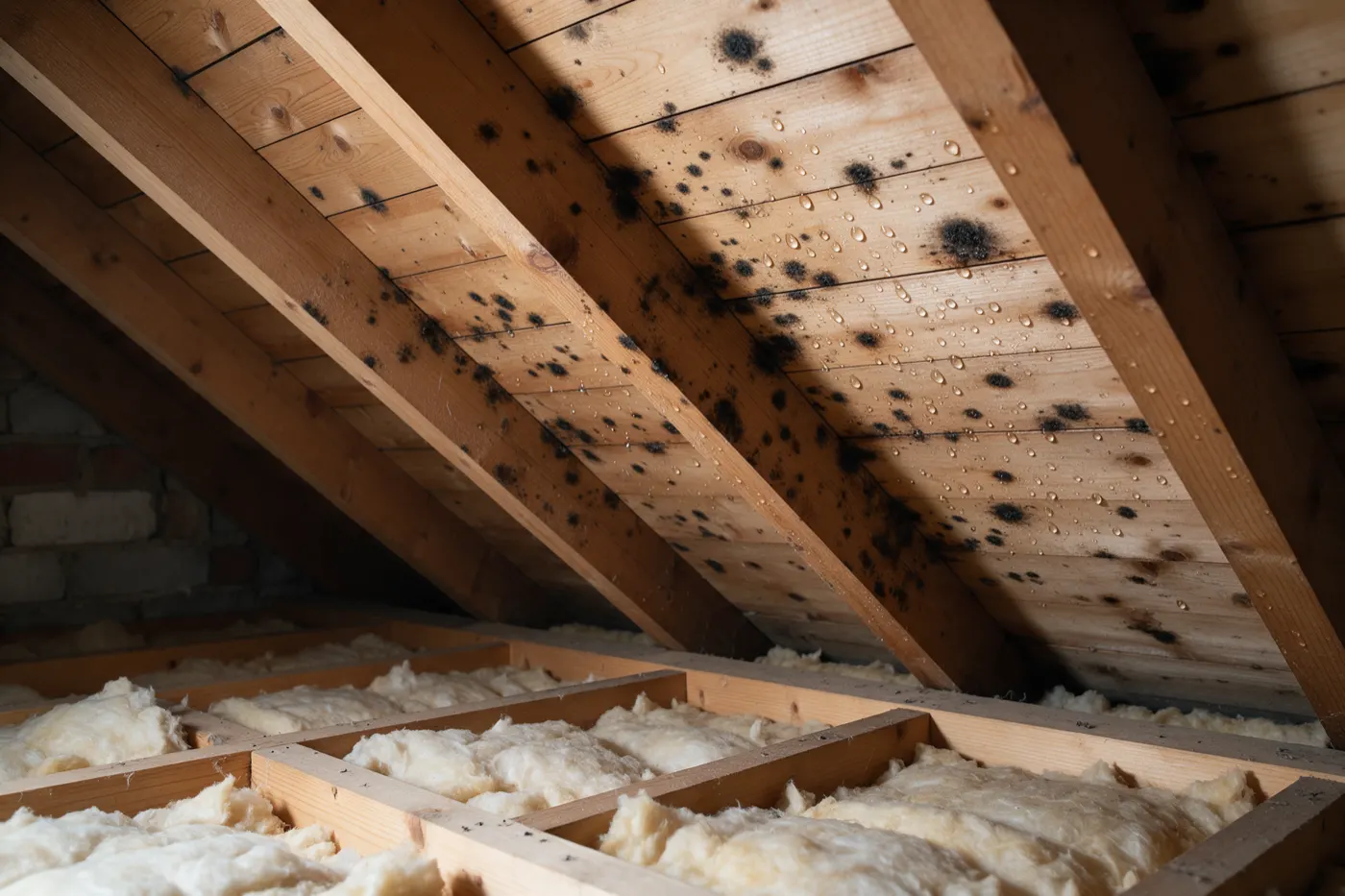
Two things most quotes leave vague: whether the scaffold is included (it's often the biggest single extra) and the loft insulation. Stripping a roof counts as renovating it under the building regulations, so the insulation has to be brought up to standard while the roof is open.
New roof cost calculator
Works out your roof area from the house and pitch, then prices the covering, scaffold and waste separately so you can check quotes line by line.
Estimated total
£8,550 to £13,850
| Concrete tiles, about 64m² of roof: strip, membrane, battens, ridge and labour | £7,040 to £10,880 |
| Scaffolding, up to four weeks | £900 to £1,600 |
| Skips for the old roof | £230 to £700 |
| Loft insulation topped up to 250mm | £380 to £670 |
New roof prices by house and covering
| House | Roof area (35° pitch) | Concrete tiles | Clay tiles | Natural slate |
|---|---|---|---|---|
| Terraced house | About 54m² | £7,300 to £11,700 | £8,900 to £14,900 | £9,400 to £17,100 |
| Semi-detached house | About 64m² | £8,600 to £13,900 | £10,500 to £17,800 | £11,200 to £20,400 |
| Detached house | About 94m² | £12,300 to £19,900 | £15,100 to £25,500 | £16,100 to £29,300 |
| Detached bungalow | About 114m² | £14,300 to £22,700 | £17,700 to £29,500 | £18,800 to £34,100 |
The roof areas come from typical footprints and a 35° pitch. A steeper roof has more area for the same house: a 45° roof is about 16% bigger than a 35° one, and the price rises with it. Use the calculator above, or better, give roofers your measurements.
| Covering | Per m² of roof, fitted | Notes |
|---|---|---|
| Concrete tiles | £110 to £170 | Usually the cheapest |
| Clay tiles | £140 to £230 | Plain or interlocking |
| Natural slate | £150 to £270 | Imported or Welsh |
| Fibre cement or synthetic slate | £120 to £190 | Slate look for less |
What's in a re-roofing quote
| Item | Typical cost | Check |
|---|---|---|
| Covering, membrane, battens and labour | See per m² above | Which tile and membrane, by name? |
| Scaffolding, semi, up to four weeks | £900 to £1,600 | Included, and for how many weeks? |
| Skips | £230 to £700 | One or two 6 to 8 yard skips |
| Removing the old roof | £1,200 to £3,000 | Make sure it's included |
| Loft insulation top-up, semi | £380 to £670 | To at least 250mm, see below |
| Timber repairs | £300 to £1,500 | A rate for rotten battens or rafters found once it's stripped |
| Building regulations sign-off | Included if your roofer is in a self-certification scheme | Ask which scheme |
Concrete, clay or slate, and how long they last
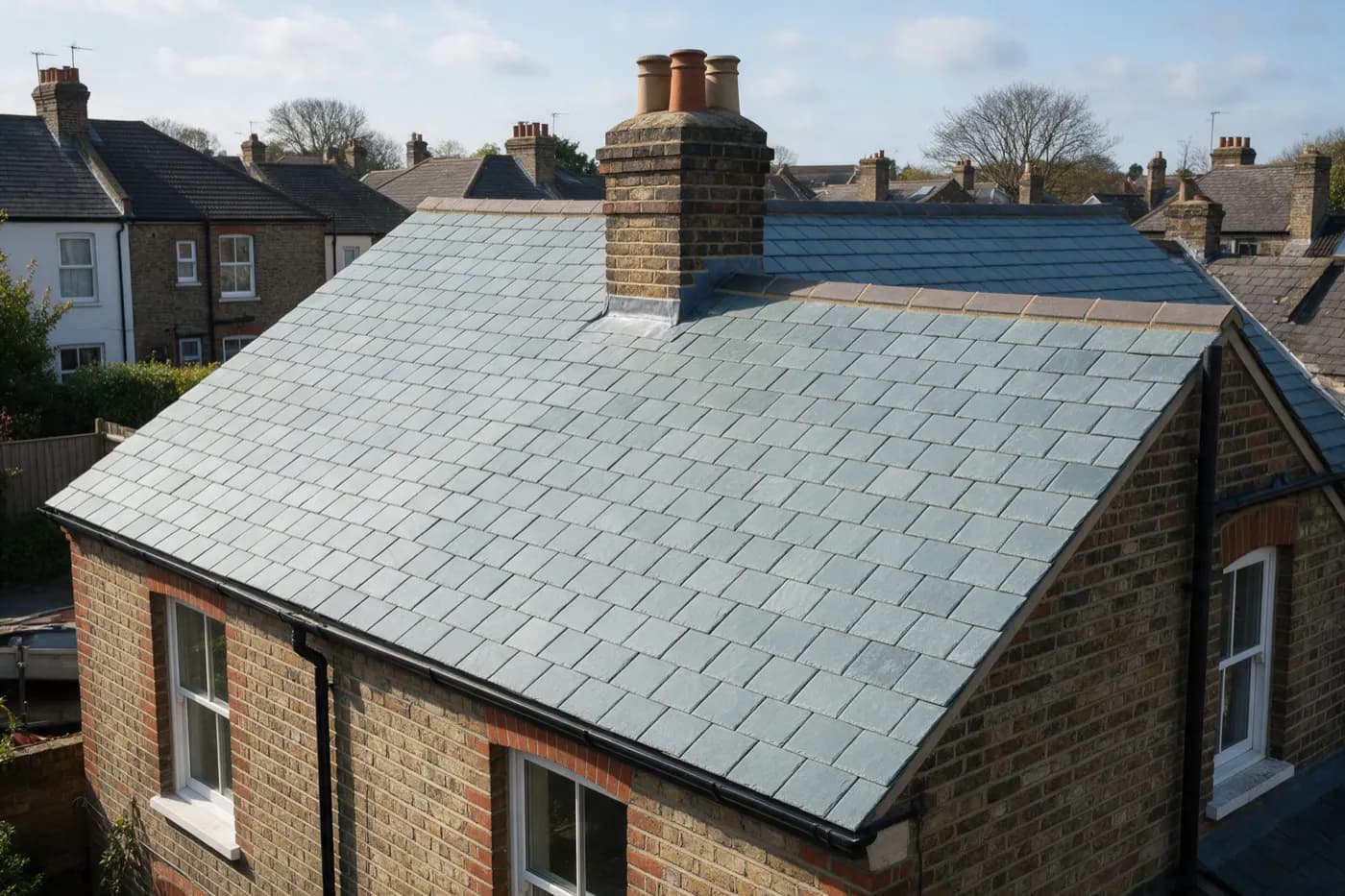
Concrete tiles are usually the cheapest. Clay tiles and natural slate cost more; fibre cement or synthetic slates give a slate look for less. Marley, one of the biggest tile makers, says its roof tiles are typically expected to last around 60 years, and backs its full roof systems with a 15-year warranty.
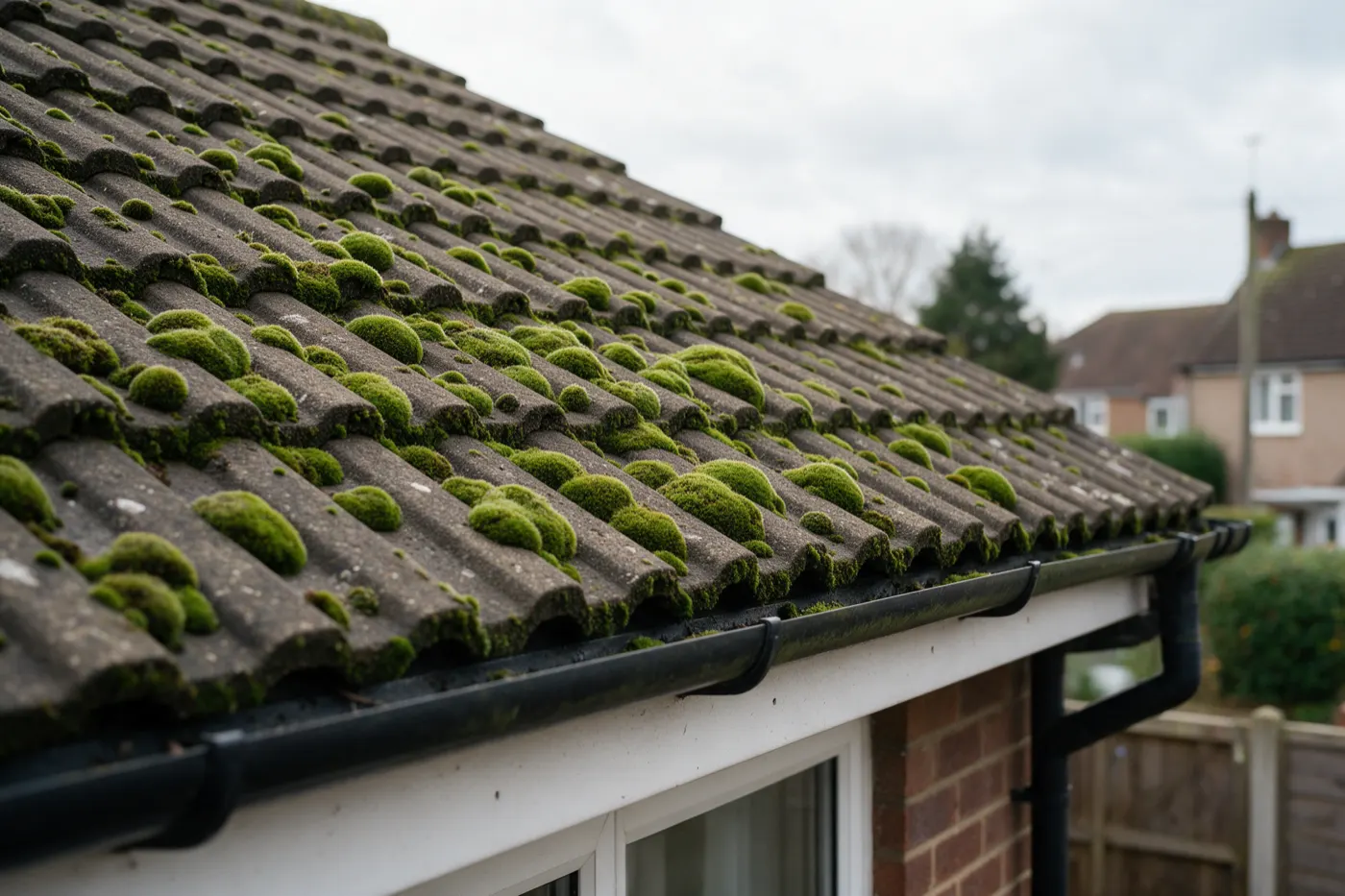
What shortens a roof's life, by the same maker's account: people walking on it without crawl boards, pressure washing, poor installation, pollution, high winds and frost. A roof needs simple, regular checks rather than heavy cleaning.
Building regulations: the insulation rule
Re-roofing is building work. Under Approved Document L, stripping a roof down to the rafters and rebuilding it counts as renovating a "thermal element". If you renovate more than 50% of the roof, the whole roof should be brought up to a U-value of 0.16 W/m²K where that's technically possible and pays back within 15 years.
For a cold loft that usually just means loft insulation to at least 250mm of mineral wool, laid between and across the joists, which is cheap. For a room in the roof it means insulating between and over or under the rafters, which costs more and can affect headroom.
You don't need to apply to building control yourself if your roofer is registered with a self-certification scheme for roof coverings: the regulations list the National Federation of Roofing Contractors (NFRC) or NAPIT. They notify the council and you get a Building Regulations Compliance Certificate. If they aren't, someone has to make a building regulations application before work starts.
Two reasons to use a registered roofer: domestic re-roofs registered through the NFRC's scheme come with a 10-year insurance-backed guarantee behind the roofer's own, and if work turns out not to comply, the council can serve an enforcement notice requiring the owner to alter or remove it at their own cost. Keep the certificate; you'll want it when you sell.
Planning, bats and other permissions
- Planning permission. Re-roofing that doesn't materially change how the house looks usually doesn't need it (Planning Portal). A different material or colour in a conservation area, or any change to a listed building, needs checking with the council first.
- Bats. All bat species are protected, and it's an offence to damage or destroy a roost even when the bats aren't there. If you've seen bats or droppings in the loft, get advice before the roof comes off. The Bat Conservation Trust's National Bat Helpline can point you to free advice.
- Nesting birds. It's an offence to destroy the nest of any wild bird while it's in use or being built, so spring and summer re-roofs need checking first.
- Scaffold on the pavement needs a licence from the highway authority. If it has to stand on next door's land, ask them early.
Do you need a new roof, or a repair?
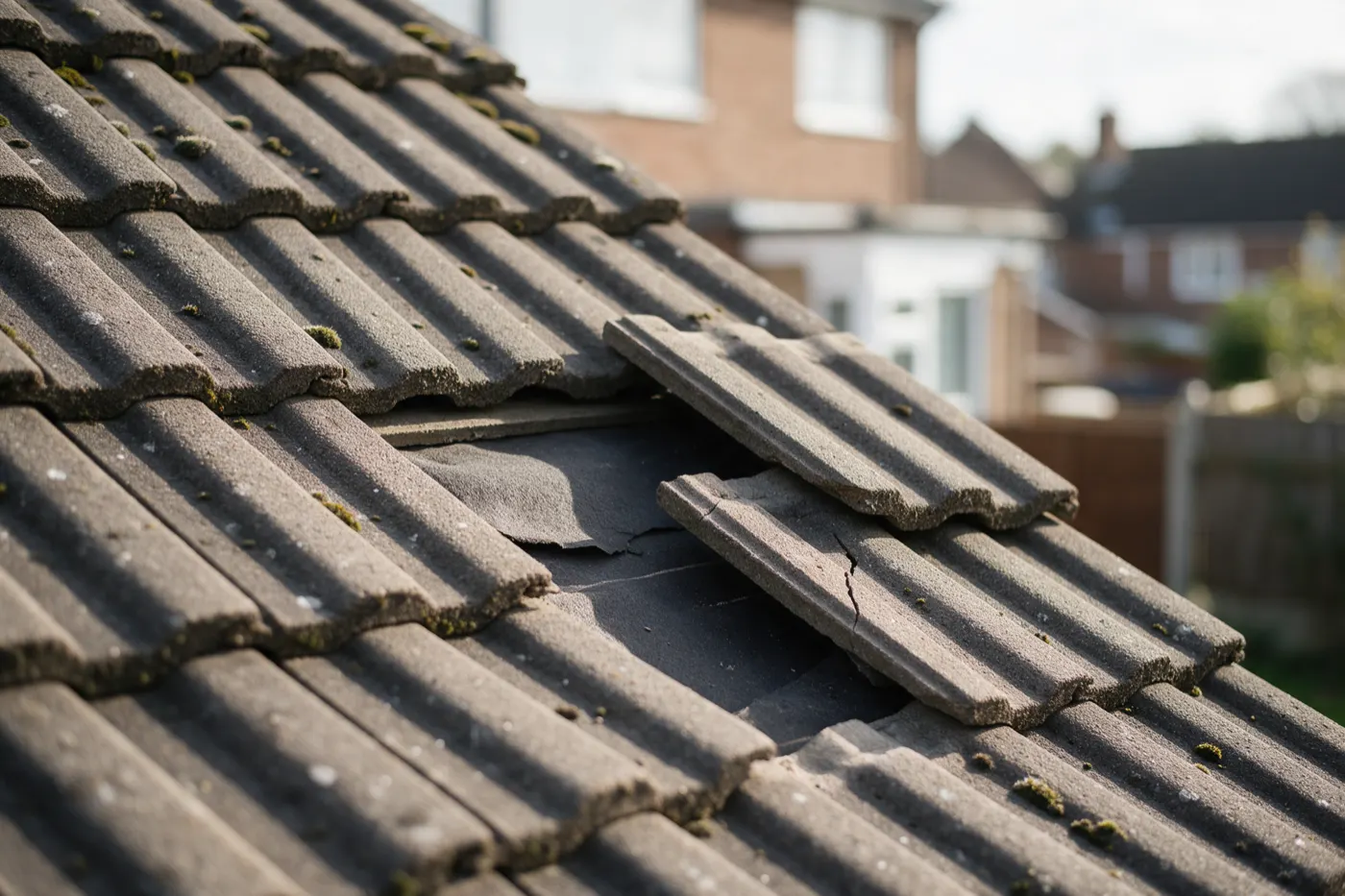
I'd always get a repair quote first. A few slipped tiles, a failed flashing or a loose ridge cost hundreds, not thousands: see roof repair costs.
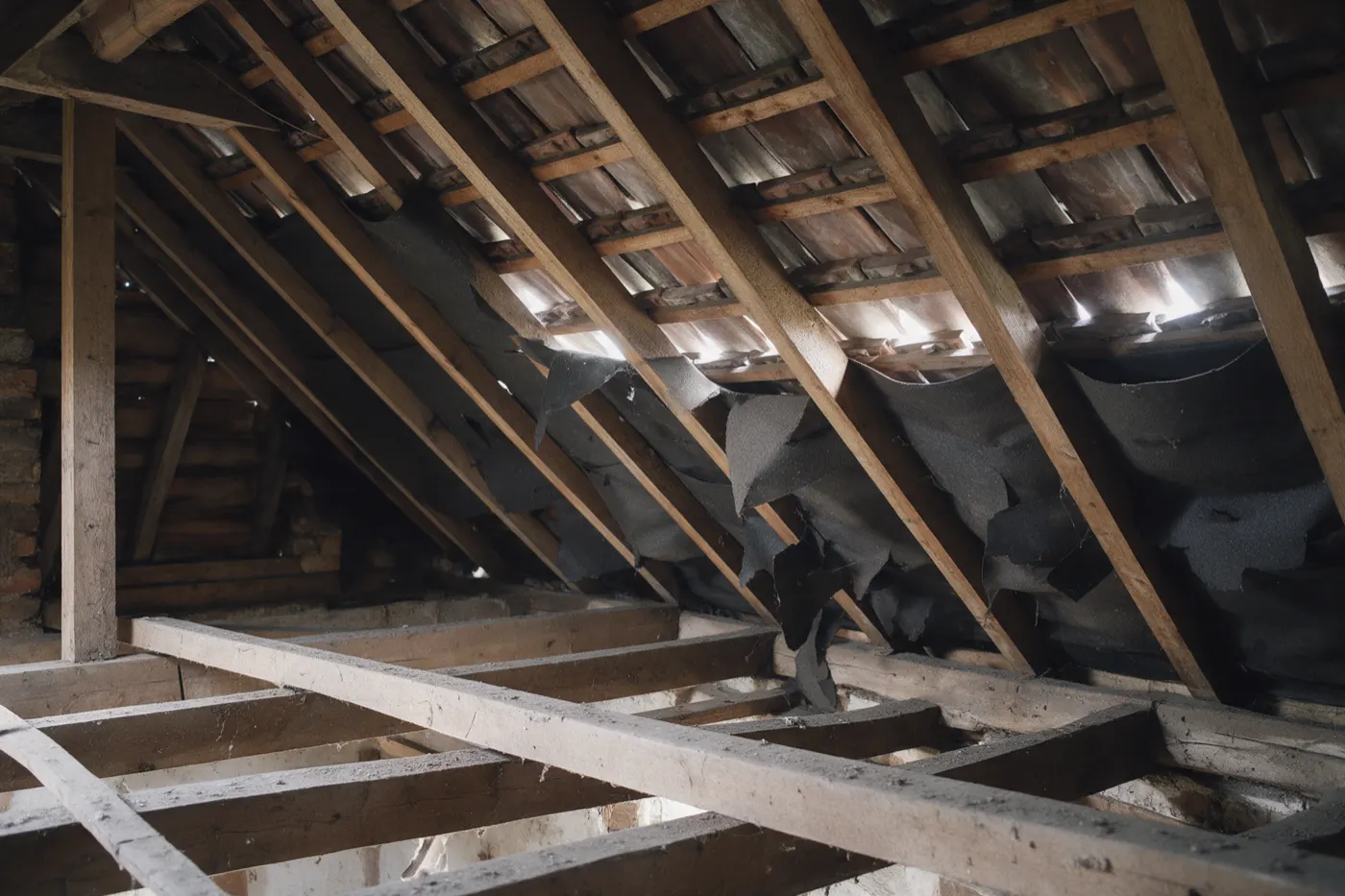
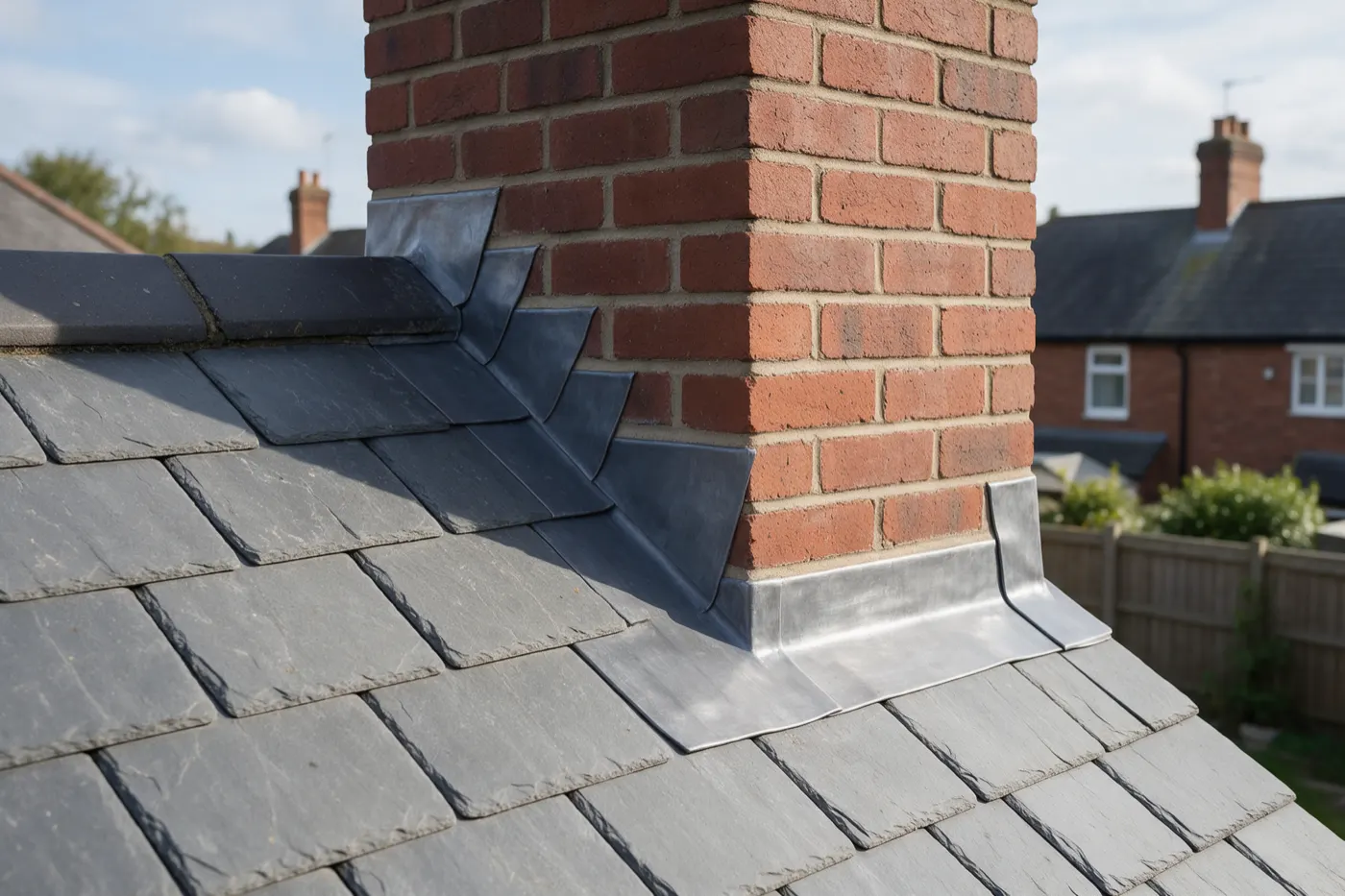
One sign a slate roof is near the end: lots of small lead strips ("tingles") holding slates in place. Older slate roofs were often fixed with iron nails, which rust; slates then slip and are re-fixed with tingles. When many are visible, the nails are failing across the roof and, as Taylor Mitchell, a firm of chartered surveyors, puts it, it will need running repairs until it's replaced. Roofs of that age often have no felt underneath, so a slipped slate lets rain straight in.
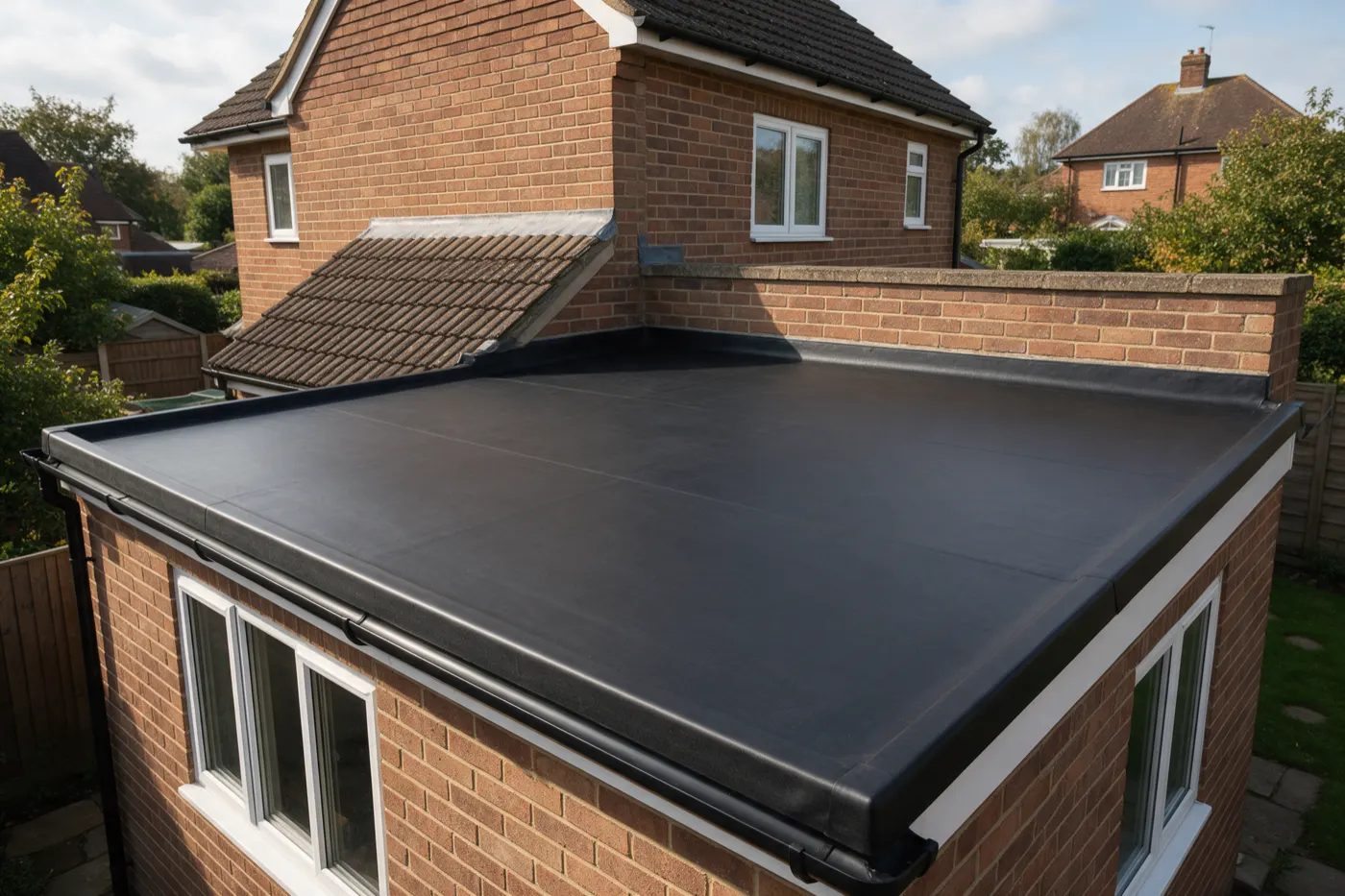
If you're paying for repairs every year, get a replacement quote alongside. If only the underlay has failed and the tiles are sound, ask about stripping and relaying the same tiles on a new membrane: see roof re-felting costs. Flat roofs are on their own page: flat roof costs.
Getting the most from the scaffold
Scaffolding is a big part of the bill, so do everything at height while it's up: fascias, soffits and gutters, chimney repointing and flashing, and any roof windows. It's also the cheapest time to add roof ventilation.
A correction
Get roof replacement quotes
Roofers price a new roof from its size, shape and covering. A few answers get you quotes you can compare.
Free, no obligation. We're paid by MyJobQuote when a tradesperson buys your job, never by you.
Frequently asked questions
How much does a new roof cost on a 3-bed semi?
About £8,600 to £13,900 in concrete tiles, or £11,200 to £20,400 in natural slate, including scaffolding, skips and the loft top-up, for roughly 64m² of roof.
How long does it take to replace a roof?
Usually about a week for a typical house; structural repairs, bad weather or extra work such as gutters make it longer.
What is the average lifespan of a roof?
Marley, one of the biggest tile makers, says its roof tiles are typically expected to last around 60 years. Walking on the roof, pressure washing and poor installation all shorten that.
Can you claim for a new roof on house insurance?
Only for sudden damage your policy covers, such as a storm, not wear and tear. If a claim is turned down, the Financial Ombudsman Service asks three questions: were there storm conditions on or around the date, is the damage consistent with a storm, and was the storm the main cause rather than the roof's condition.
Can I get a government grant for a new roof in the UK?
Not for the re-roofing itself. In England, if your household income is usually £36,000 or less (or you're on certain benefits) and your home's EPC is D, E, F or G, the Warm Homes: Local Grant can pay for loft insulation; your council arranges the survey and the work.
Do I need building regulations approval for a new roof?
Yes, re-roofing is building work. If your roofer is registered with a self-certification scheme for roof coverings (the National Federation of Roofing Contractors (NFRC) or NAPIT), they handle it and you get a certificate. Otherwise an application is needed before work starts.
Do I need to insulate the loft when I replace the roof?
Usually. Renovating more than 50% of a roof means bringing it up to current insulation standards where that's practical and pays back within 15 years. For a cold loft that's typically at least 250mm of loft insulation.
Do I need planning permission to replace my roof?
Not usually, if it looks much the same afterwards. Check with the council if the house is listed, in a conservation area, or you're changing the material or colour noticeably.
Is scaffolding included in a roof quote?
Often not, so ask. For a semi it's typically £900 to £1,600 for up to four weeks.
How we priced thisView sources (15, 10 official)
Rules come from the legislation and official guidance, read at source. Prices are our estimates: we check them against trade price data, retailer shelf prices and specialists' price lists, then build them up from their parts so the totals add up. Below are the sources behind the page; the trade price guides we only compare against aren’t listed. Where sources disagreed, we've said so. More on our method.
- OfficialApproved Document L: Conservation of fuel and power, Volume 1 Dwellings (2021 edition incorporating 2023 amendments), GOV.UK. Checked 16 Oct 2026.
- OfficialThe Building Regulations 2010, regulation 3: meaning of building work, legislation.gov.uk. Checked 15 Oct 2026.
- OfficialThe Building Regulations 2010, Schedule 3: self-certification schemes (para 16, roof coverings), legislation.gov.uk. Checked 15 Oct 2026.
- OfficialRoof: planning permission and building regulations for re-roofing, Planning Portal. Checked 15 Oct 2026.
- OfficialNFRC Competent Person Scheme: property owners' FAQ, NFRC CPS. Checked 15 Oct 2026.
- IndustryWhat is the life expectancy of roof products?, Marley. Checked 15 Oct 2026.
- IndustryCommon defects: slate roof coverings, Taylor Mitchell (RICS-regulated surveyors). Checked 15 Oct 2026.
- OfficialBats: advice for making planning decisions (standing advice), Natural England. Checked 15 Oct 2026.
- IndustryGetting personalised advice: working on a building with bats, Bat Conservation Trust. Checked 15 Oct 2026.
- OfficialWildlife and Countryside Act 1981, section 1: protection of wild birds, their nests and eggs, legislation.gov.uk. Checked 15 Oct 2026.
- OfficialHighways Act 1980, section 169: control of scaffolding on highways, legislation.gov.uk. Checked 15 Oct 2026.
- OfficialStorm damage (home buildings insurance complaints), Financial Ombudsman Service. Checked 15 Oct 2026.
- OfficialApply for the Warm Homes: Local Grant to improve a home (England), GOV.UK. Checked 15 Oct 2026.
- Trade guideRoof replacement cost, Checkatrade. Checked 15 Oct 2026.
- IndustryMasonry paint, PVCu guttering, fascia boards, facing bricks and roof insulation (shelf prices), Wickes. Checked 15 Oct 2026.