The Short Answer
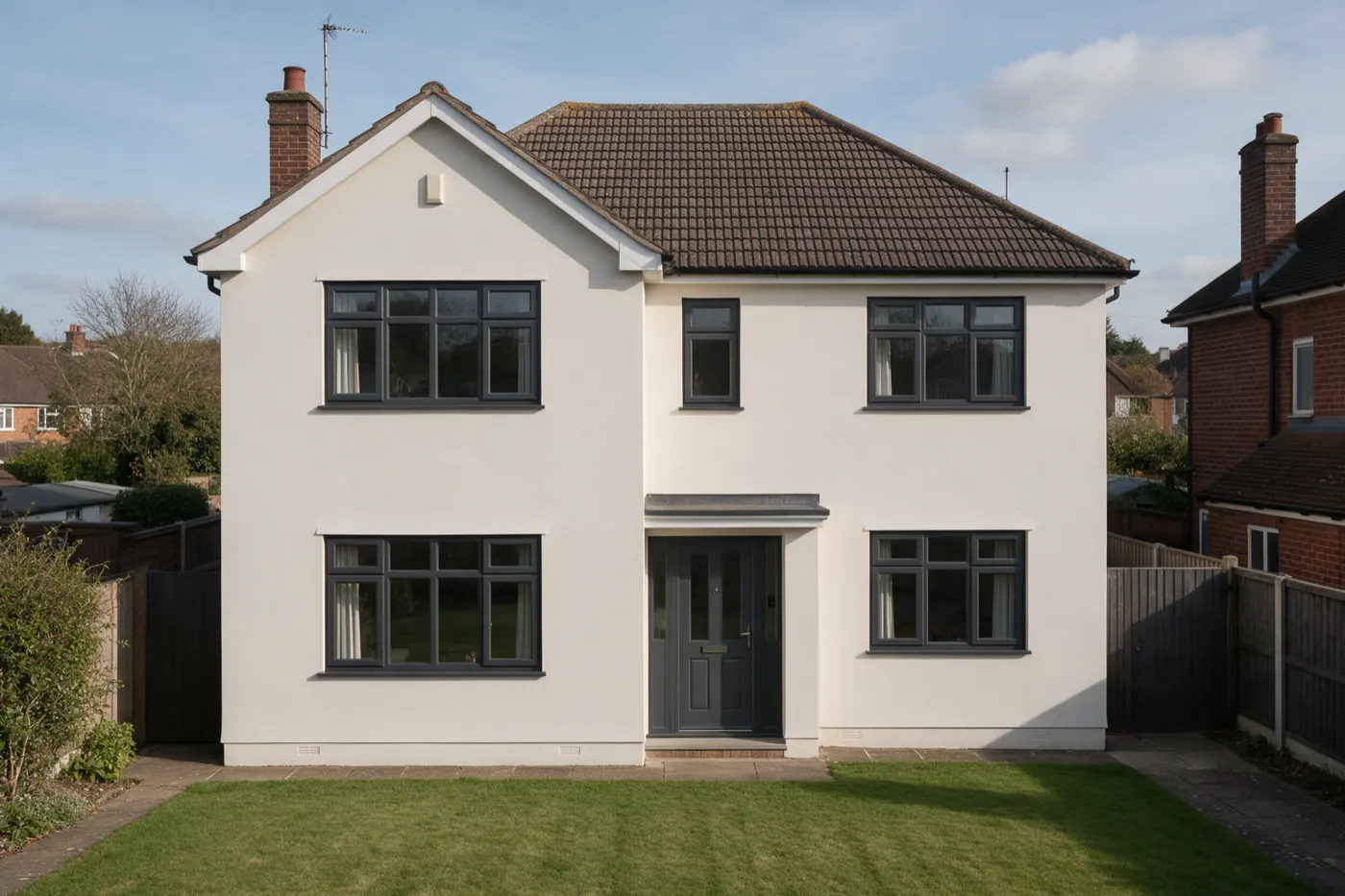
On our estimates, painting the outside walls of a typical semi costs £3,050 to £5,900 including scaffold, or £24 to £50 per m² of wall for two coats, and takes about 5 days. Painters charge about £250 to £350 a day.
Paint is the small part of the bill: a 10 litre tin of Dulux Weathershield masonry paint was £40 at Wickes in October 2026. Preparation and scaffold are where the money goes, and where cheap jobs cut corners. And some walls shouldn't be painted at all: see below.
Exterior painting calculator
Prices the labour and access, and tells you how much paint the walls will take.
Estimated total
£3,060 to £5,920
| Two coats of masonry paint, 90m² | £2,160 to £4,320 |
| Scaffolding | £900 to £1,600 |
Exterior painting prices by house
| House | Wall area | Two coats, with scaffold | On site |
|---|---|---|---|
| Terraced house | About 45m² | £1,900 to £3,450 | about 3 days |
| Semi-detached house | About 90m² | £3,050 to £5,900 | about 5 days |
| Detached house | About 130m² | £4,300 to £8,400 | about 7 days |
| Detached bungalow | About 80m² | £1,900 to £3,850 | Varies |
| Extra | Typical cost |
|---|---|
| Stabilising primer on chalky walls, per m² | £3 to £6 |
| Scaffold, semi, up to four weeks | £900 to £1,600 |
| Scaffold, one side only | £500 to £1,000 |
How much paint you need
| Surface | Coverage per litre, per coat | Paint for 90m², two coats |
|---|---|---|
| Smooth render | Up to 16m² (Dulux) | About 12 litres |
| Brick | About 8m² (our estimate) | About 23 litres |
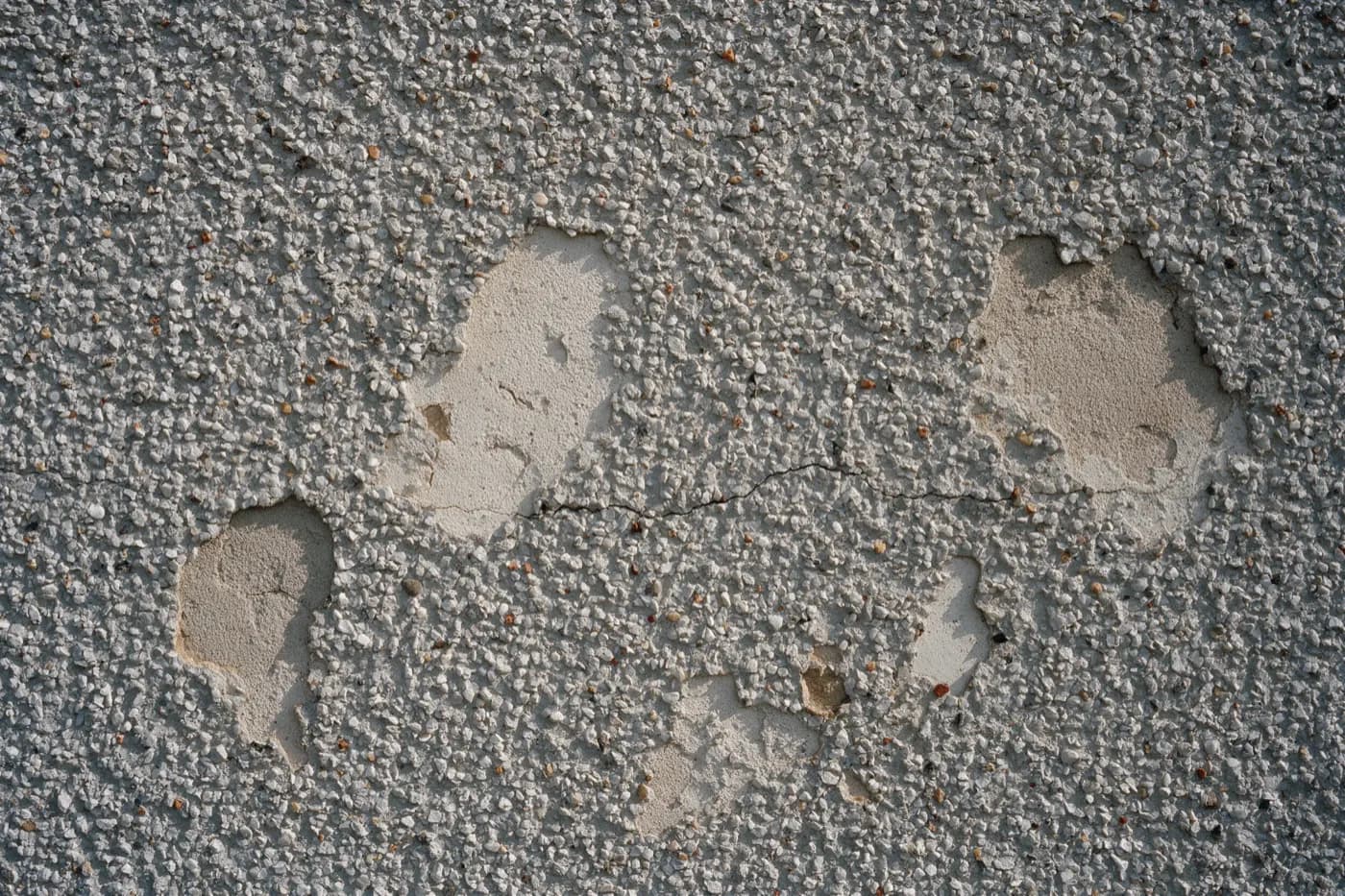
| Pebbledash or textured | 4 to 6m² (Dulux) | About 36 litres |
Preparation that makes paint last
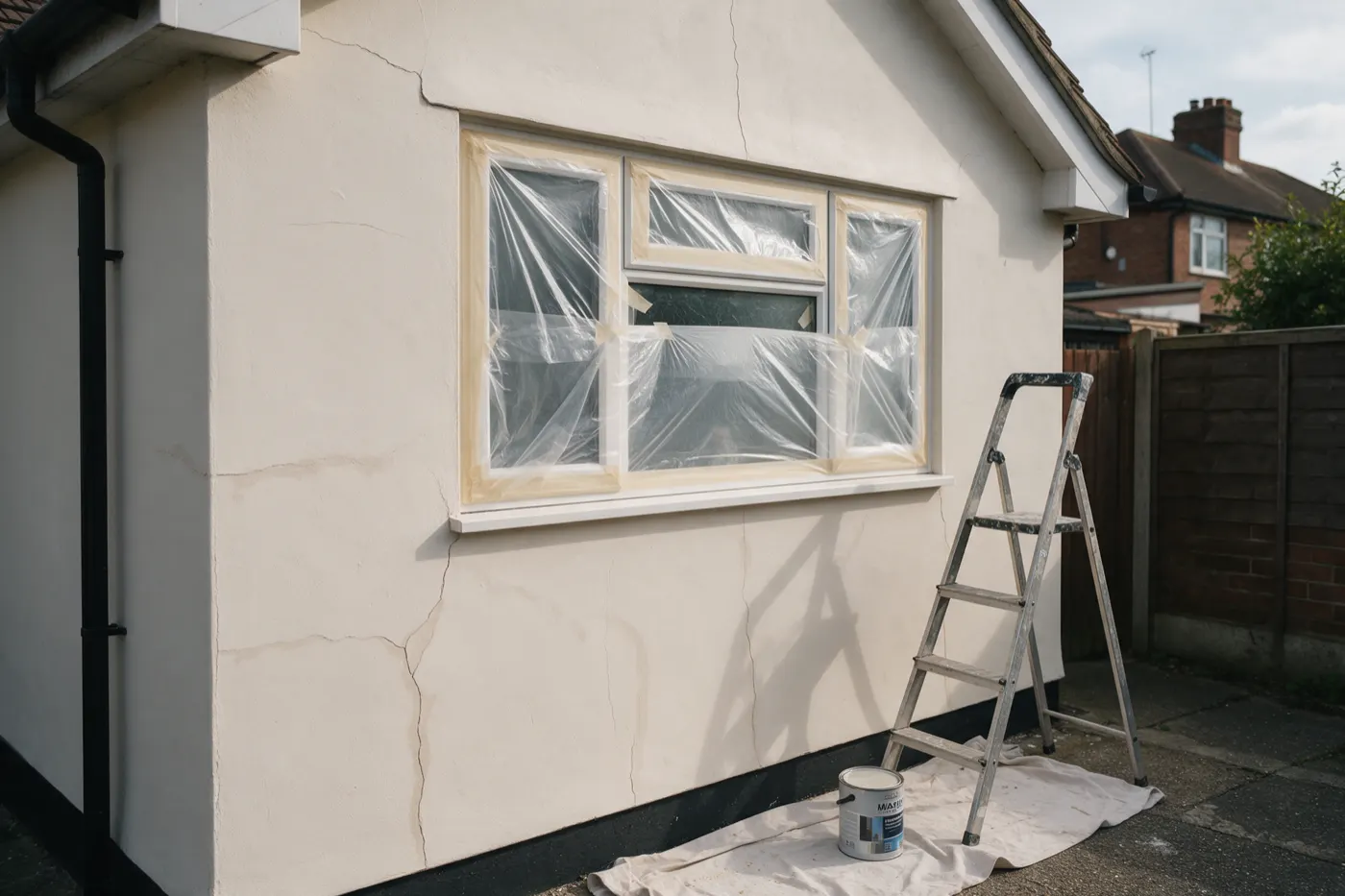
Dulux's data sheet sets out the preparation, and it's what to look for in a quote:
- Loose paint off. Flaking coatings removed and the edges rubbed down.
- Green growth killed. Mould, lichen and algae treated with a fungicidal wash.
- Cracks filled. Minor defects filled; larger holes and cracks with sand and cement, left to dry.
- Bare or new surfaces sealed with a thinned first coat.
- Chalky walls stabilised. Surfaces still powdery after preparation get a stabilising primer.
- Old woodwork handled safely. Paint from before the 1960s on wood and metal may contain lead, so sanding it needs precautions.
Drying takes much longer in cold, damp weather, so I'd book exterior painting for a dry spell in the warmer months.
Walls you shouldn't paint
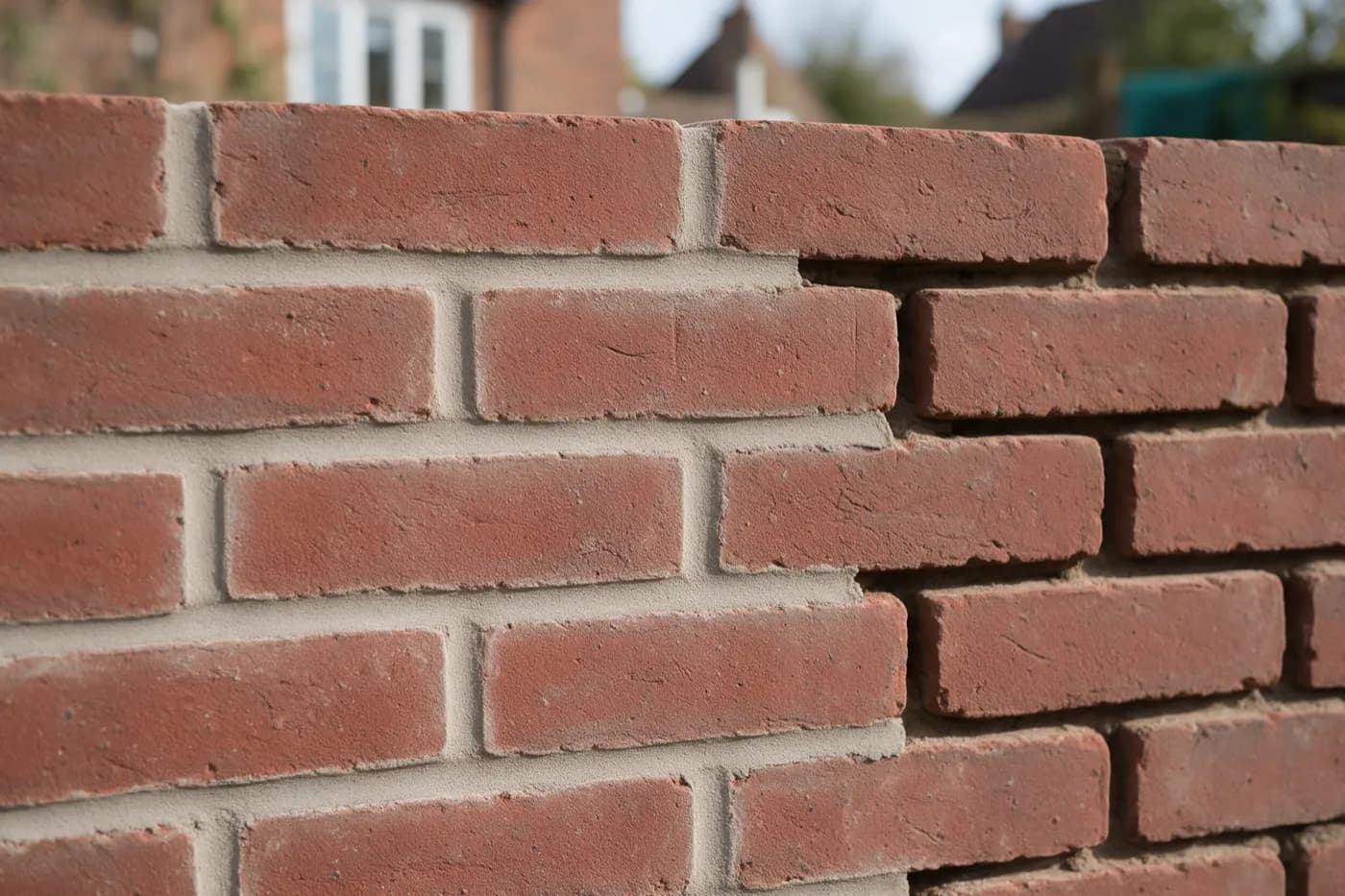
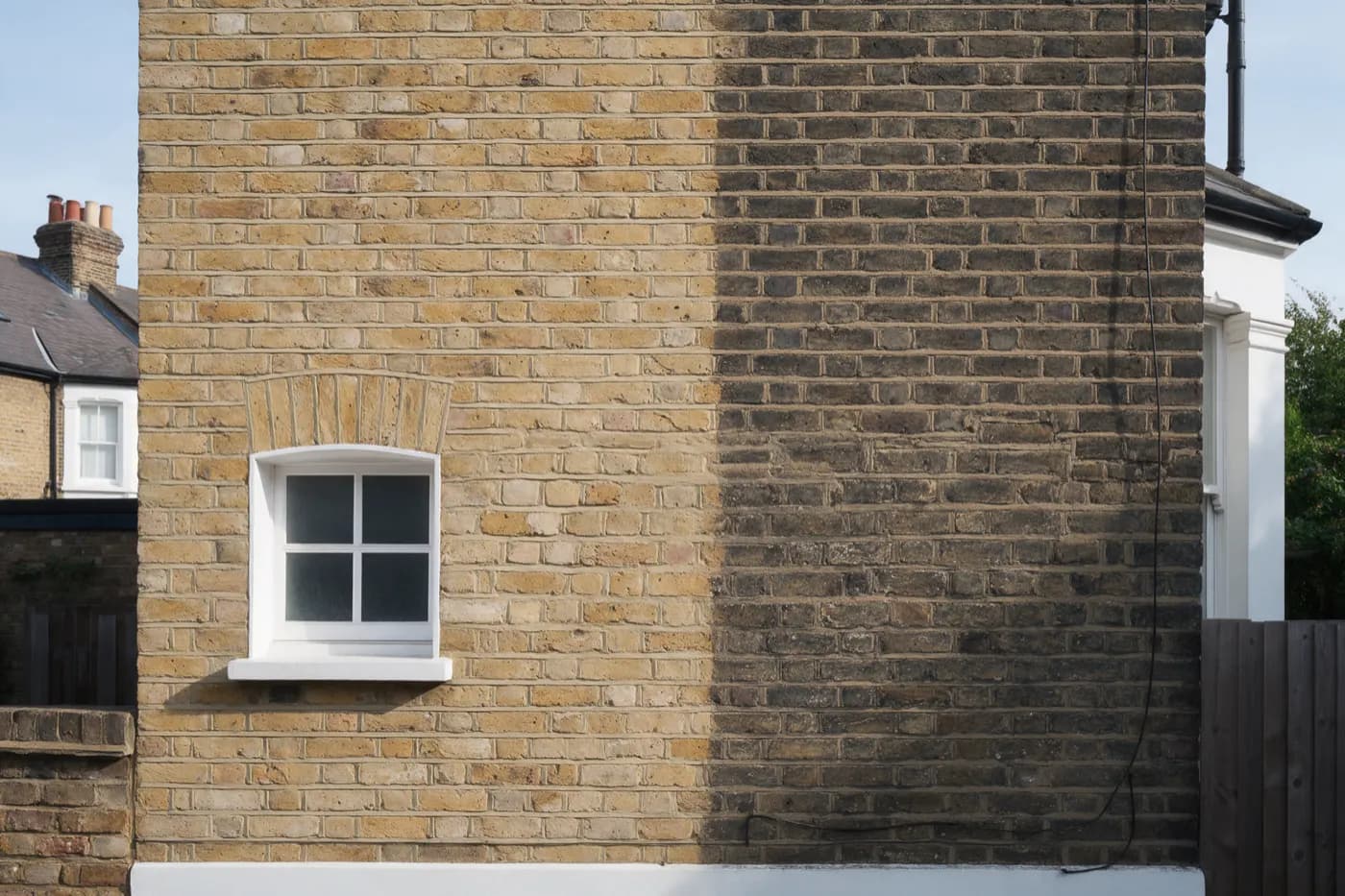
- Common or fletton bricks. Dulux says they shouldn't be painted.
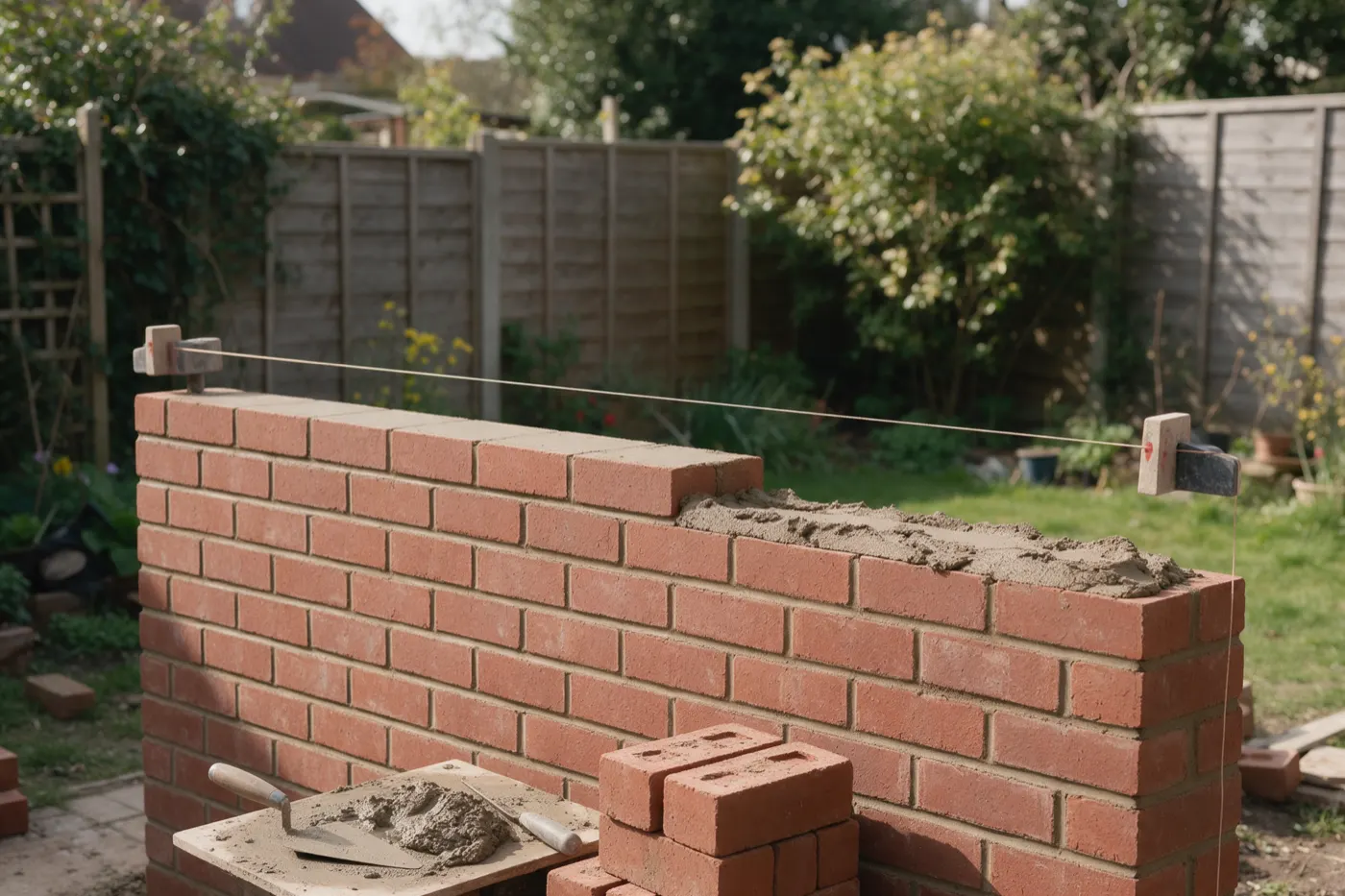
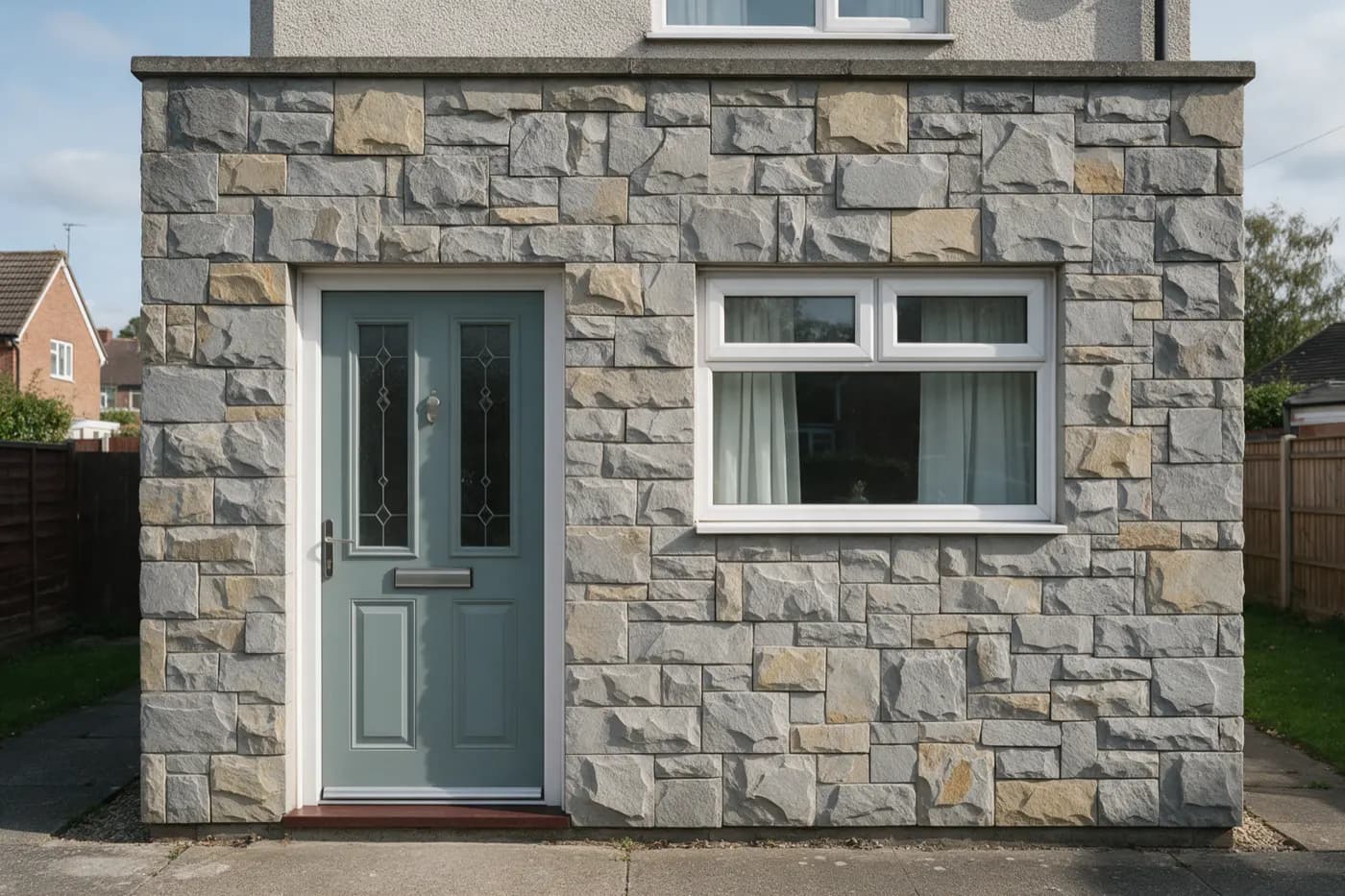
- Garden walls, parapets and retaining walls. Dulux advises against painting freestanding, parapet and retaining walls below the damp-proof course: moisture gets in, the paint fails, and frost damage and spalling become more likely.
- Old brick and stone. Historic England warns that painting brick, stone or concrete walls can create damp problems, and modern paint can be almost impossible to remove without damage. Lime render and stucco may need a breathable finish such as limewash.
Do you need permission to paint your house?
Usually not: the Planning Portal gives painting your house as an example of minor work that doesn't need planning permission. The exceptions, from Historic England:
- a listed house may need permission for external redecoration that changes its character, such as painting walls that have never been painted, and
- some conservation areas control the colours you can use, so check with the council.
Get exterior painting quotes
Exterior painters price by area, surface and height. Tell them those.
Free, no obligation. We're paid by MyJobQuote when a tradesperson buys your job, never by you.
Frequently asked questions
How much does it cost to paint the outside of a house?
On our estimates, about £3,050 to £5,900 for a typical semi including scaffold, or £24 to £50 per m² of wall for two coats.
How long does it take to paint a 3 bedroom house?
About about 5 days for the walls of a typical semi, about 7 days for a detached house, plus scaffold up and down and any drying delays in cold, damp weather.
How do I estimate an exterior paint job?
Measure each wall (width times height, less windows and doors), multiply by a per-m² rate for two coats, then add scaffold and any repairs. Our calculator does it for you.
How much masonry paint do I need?
On smooth render, Dulux gives up to 16m² a litre per coat; pebbledash only 4 to 6m². Two coats on 90m² of smooth render is about 12 litres.
How long does exterior paint last?
Dulux claims up to 15 years of protection for Weathershield masonry paint. Exposure, preparation and the surface decide how long yours lasts.
Do I need planning permission to paint my house?
Usually not. A listed house may need permission to paint walls never painted before, and some conservation areas control colours.
How we priced thisView sources (5, 3 official)
Rules come from the legislation and official guidance, read at source. Prices are our estimates: we check them against trade price data, retailer shelf prices and specialists' price lists, then build them up from their parts so the totals add up. Below are the sources behind the page; the trade price guides we only compare against aren’t listed. Where sources disagreed, we've said so. More on our method.
- IndustryWeathershield Smooth Masonry Paint: technical data sheet, Dulux Trade. Checked 15 Oct 2026.
- OfficialI want to redecorate my house (15 May 2013), Historic England. Checked 15 Oct 2026.
- OfficialExternal walls: planning permission, Planning Portal. Checked 15 Oct 2026.
- OfficialSafe use of ladders and stepladders: when to use a ladder, Health and Safety Executive. Checked 15 Oct 2026.
- IndustryMasonry paint, PVCu guttering, fascia boards, facing bricks and roof insulation (shelf prices), Wickes. Checked 15 Oct 2026.