The Short Answer
On our estimates, secondary glazing costs £300 to £650 per window, made to measure and fitted inside your existing windows. Arched, very large or listed-building windows that need bespoke work are £600 to £1,200. A room usually takes half a day to a day.
It's the answer I'd choose for period windows you want to keep, and a strong one for noise: the deep air gap between the old window and the new pane is what blocks sound. It's also usually cheaper than a new window, which is £450 to £900 in uPVC.
Secondary glazing prices
| Option | Typical cost |
|---|---|
| Secondary glazing, standard window | £300 to £650 |
| Bespoke (arched, very large, listed) | £600 to £1,200 |
| For comparison: new uPVC window | £450 to £900 |
| For comparison: new timber sash, double glazed | £1,700 to £3,500 |
| For comparison: draught-proofing a sash | £250 to £400 |
Types of secondary glazing
- Film: a thin plastic film you can fit yourself. The Energy Saving Trust says it's the cheapest, but doesn't last long, is hard to make look good and does the least for warmth.
- Magnetic or clip-fit panels: a pane of glass or plastic held by magnetic strips or clips, easy to take off or replace.
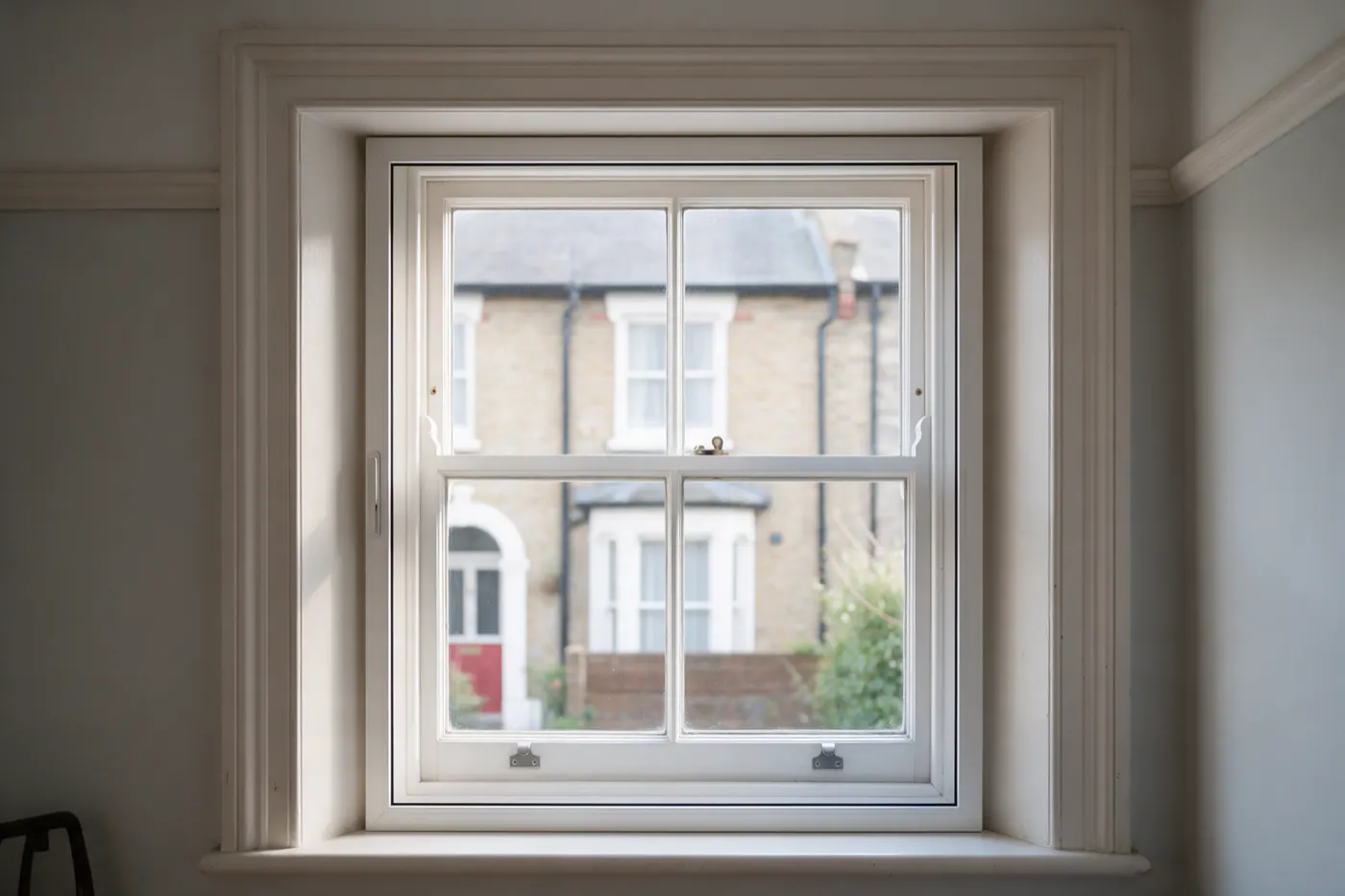
- Permanent secondary glazing: made-to-measure timber or uPVC frames. Dearer, but the Energy Saving Trust says it can be more energy efficient than replacing the windows, and it suits listed buildings.
Secondary glazing for noise
Selectaglaze, one of the biggest makers, explains why it works: separating the inner and outer panes with a deep air cavity breaks the path sound travels, and it publishes performance for cavities from 50mm to 200mm. Seals matter as much as the gap: it says even a 1% opening can reduce the sound insulation by up to 10dB. So if noise is the reason, ask for the deepest cavity your window reveal allows, and good seals.
The downsides
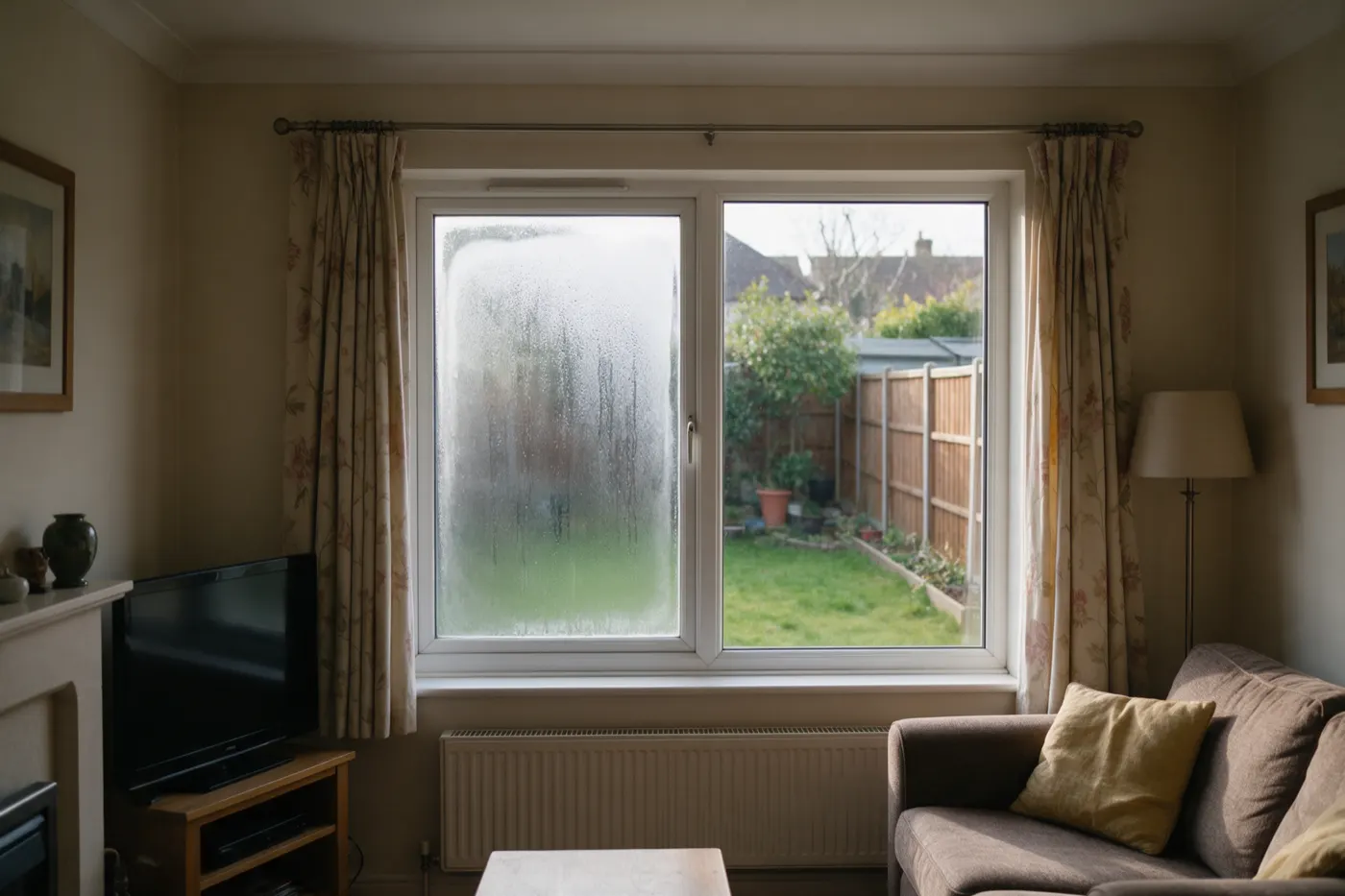
- Fixed panels can't open. Everest names that as the major drawback of fixed secondary glazing, along with condensation forming behind it. I'd pay for sliding or hinged panels in any room you ventilate.
- Escape windows. If a window is a fire escape route, the secondary glazing in front of it must open easily too: building regulations expect an escape opening of at least 0.33m², so a fixed panel there is a mistake.
- No certification body. The Energy Saving Trust notes there's no central body certifying secondary glazing installers, so check references and past work.
Listed buildings and conservation areas
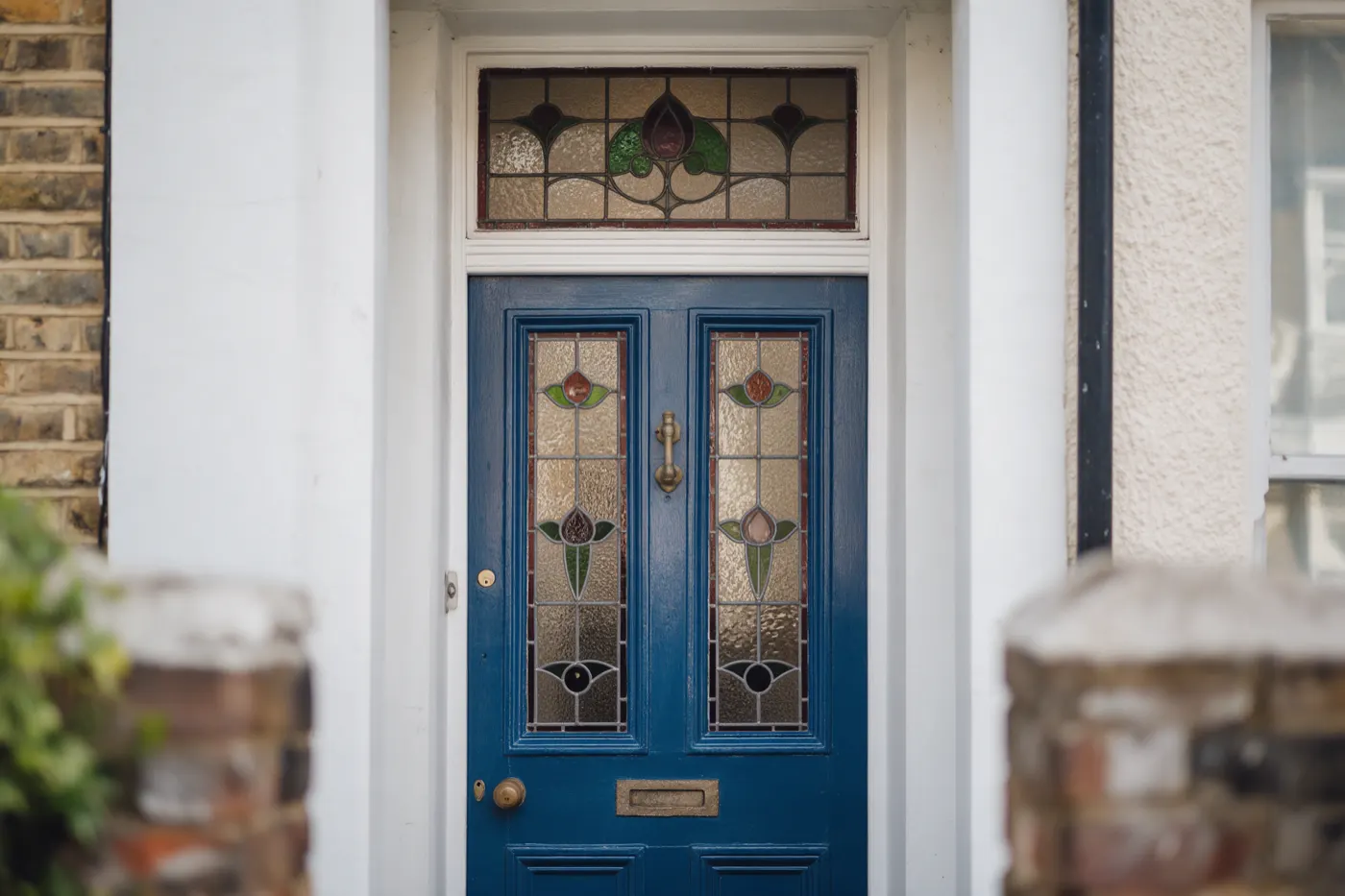
Historic England lists secondary glazing among the upgrade options for traditional windows, alongside repair and draught-proofing. Internal secondary glazing doesn't usually need planning permission (Planning Portal), and the Energy Saving Trust says reversible secondary glazing doesn't usually need listed building consent. On a listed building, I'd still talk to the council's conservation officer before ordering.
Secondary glazing or new double glazing?
| Secondary glazing | New double-glazed windows | |
|---|---|---|
| Cost per window | £300 to £650 | £450 to £900 (uPVC) |
| Keeps original windows | Yes | No |
| Noise | Deep air gap; the maker publishes cavities of 50 to 200mm | A sealed unit with a narrow gap |
| Listed buildings | Reversible kinds don't usually need consent | Needs consent; Historic England strongly encourages keeping significant historic windows |
Get secondary glazing quotes
Secondary glazing is made to measure. Tell installers about the windows and why you want it.
Free, no obligation. We're paid by MyJobQuote when a tradesperson buys your job, never by you.
Frequently asked questions
How much does it cost to install secondary glazing?
On our estimates, £300 to £650 per window, made to measure and fitted, or £600 to £1,200 for bespoke work.
What are the downsides of secondary glazing?
Fixed panels can't be opened and can get condensation behind them, there's a second frame inside the window, and there's no central body certifying installers. Choose openable panels, especially on escape windows.
Is it worth getting secondary glazing?
For period windows you want to keep, or for noise, I think so. It's usually cheaper than new windows, keeps the originals, and the Energy Saving Trust says permanent secondary glazing can be more energy efficient than replacing them.
Can I fit secondary glazing myself?
Film and magnetic panels, yes: they're designed for it. The Energy Saving Trust says film is the least effective and doesn't last long. Permanent, made-to-measure secondary glazing is usually professionally fitted.
Is secondary glazing better than double glazing for noise?
It can be, because of the deep air gap. Selectaglaze, a maker, publishes acoustic performance for cavities of 50 to 200mm and stresses that good seals matter.
Do I need permission for secondary glazing in a listed building?
The Energy Saving Trust says reversible secondary glazing doesn't usually need listed building consent, but talk to the council's conservation officer first.
How we priced thisView sources (7, 4 official)
Rules come from the legislation and official guidance, read at source. Prices are our estimates: we check them against trade price data, retailer shelf prices and specialists' price lists, then build them up from their parts so the totals add up. Below are the sources behind the page; the trade price guides we only compare against aren’t listed. Where sources disagreed, we've said so. More on our method.
- IndustryEnergy efficient windows and doors (updated 20 May 2026), Energy Saving Trust. Checked 15 Oct 2026.
- IndustryQuieter: acoustic secondary glazing, Selectaglaze. Checked 15 Oct 2026.
- OfficialModifying historic windows as part of retrofitting energy saving measures (updated 23 July 2024), Historic England. Checked 15 Oct 2026.
- OfficialDoors and windows: planning permission and building regulations, Planning Portal. Checked 15 Oct 2026.
- OfficialApproved Document B: Fire safety, Volume 1 Dwellings (2019 edition incorporating 2020 to 2026 amendments), paras 2.10, 2.16 and 2.18 to 2.20, GOV.UK. Checked 16 Oct 2026.
- OfficialEnergy-saving materials and heating equipment (VAT Notice 708/6), HM Revenue & Customs. Checked 16 Oct 2026.
- IndustrySecondary glazing costs and buying guide, Everest. Checked 15 Oct 2026.