The Short Answer
On our estimates, a plumber charges about £40 to £60 an hour, or £330 to £380 for a full day. An experienced plumber can charge £60 to £80 an hour, and emergency work runs at £75 to £150 an hour.
So three hours of work is about £120 to £180 at normal rates. For a defined job, I'd ask for a fixed price instead: it's easier to compare.
Plumber rates
| Rate | Typical cost |
|---|---|
| Per hour, typical | £40 to £60 |
| Per hour, experienced plumber | £60 to £80 |
| Per hour, apprentice | £15 to £25 |
| Per day | £330 to £380 |
| Per hour, emergency | £75 to £150 |
| Call-out fee, where charged | £70 to £160 |
What common amounts of work cost
| Work | At normal hourly rates |
|---|---|
| One hour | £40 to £60 |
| Two hours | £80 to £120 |
| Three hours | £120 to £180 |
| Half a day (four hours) | £160 to £240 |
| A full day, at a day rate | £330 to £380 |
Priced jobs or hourly?
For a defined job, a fixed price is easier to compare. Typical prices for common repairs, on our estimates:
- fixing a leaking tap: £50 to £150;
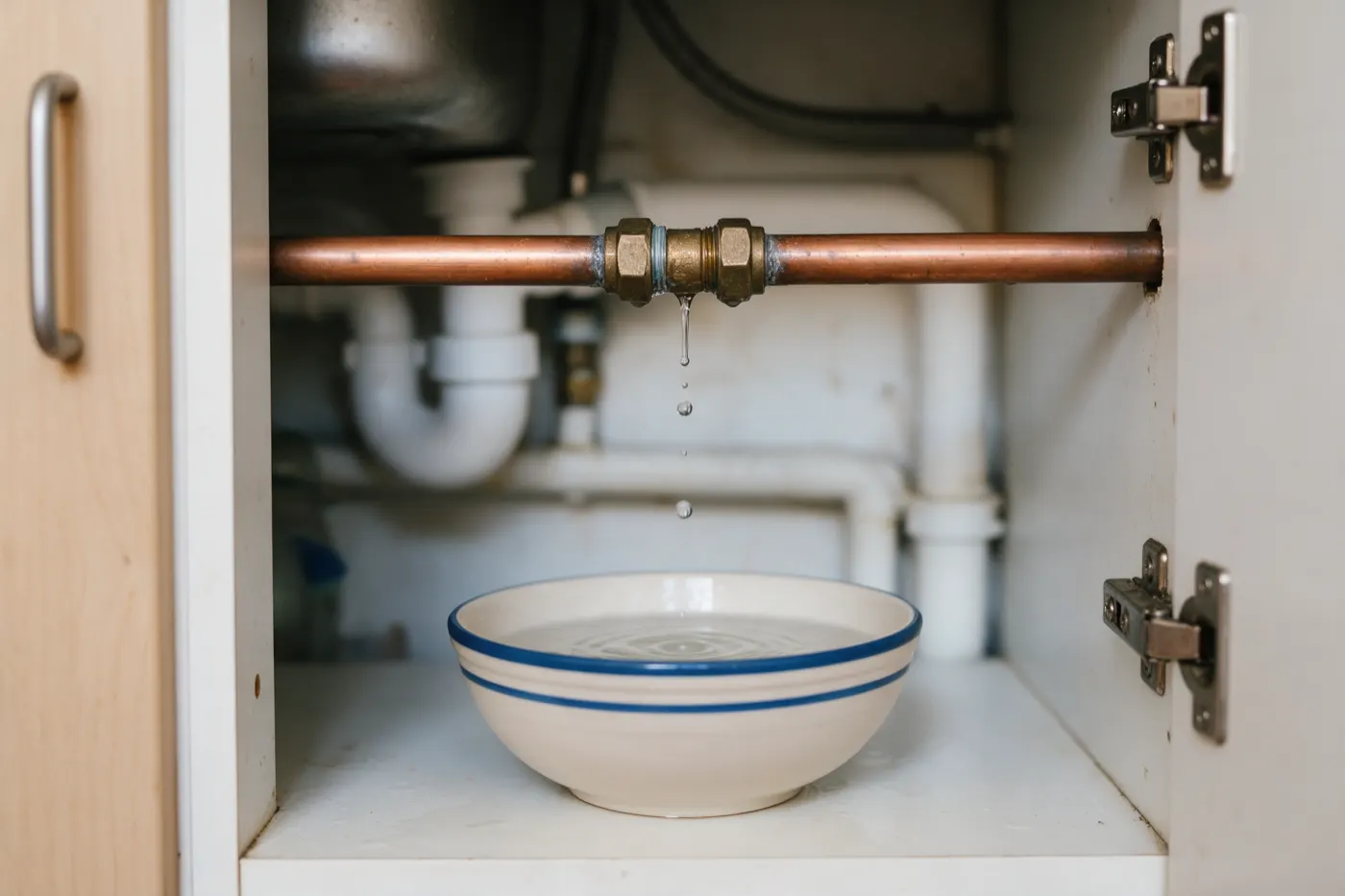
- fixing a leak at a joint or valve: £75 to £130;
- unblocking a toilet: £75 to £150;
- a burst pipe: £50 to £200.
Citizens Advice's distinction matters here: a quote is a fixed price, an estimate is a rough guess. If you agree to a day rate on a longer job, get in writing how many days and hours a day it's for, and when they need your go-ahead for more. I'd get written quotes from three plumbers for anything over a day's work.
What sets the rate
Experience is the biggest factor. On our estimates, apprentices charge about £15 to £25 an hour, mid-level plumbers £40 to £60 and experienced plumbers £60 to £80. Timing is the other: a call-out on a weekday is about £80 to £120, against £120 to £150 at the weekend and £130 to £180 on a bank holiday.
If it can wait until a weekday, I'd wait; the same job costs noticeably less.
Checking a quote
- A much lower price may mean the wrong skills, a dishonest trader, or a quote that doesn't cover the same work, Citizens Advice warns.
- What it should show: a fixed total rather than a daily rate, a breakdown of labour and materials, how long the price is valid, and whether it includes VAT.
- References: ask for two or three recent, similar jobs with contact details; written references aren't always genuine.
- Insurance: ask to see the plumber's public liability insurance.
Choosing a plumber
Look for a WaterSafe approved plumber: they're trained in the Water Fittings Regulations, can do some notifiable work without waiting for the water supplier, and give a certificate when the work's done. For gas work, the plumber must also be Gas Safe registered. For call-out fees and emergency visits, see plumber call-out charges.
Get plumber rates quotes
Plumbers charge by the hour, the day or the job. Tell them what needs doing.
Free, no obligation. We're paid by MyJobQuote when a tradesperson buys your job, never by you.
Frequently asked questions
How much do plumbers charge per hour?
About £40 to £60 an hour on our estimates, or £60 to £80 for an experienced plumber.
How much does a plumber charge for 3 hours of work?
About £120 to £180 at normal hourly rates, plus parts and any call-out fee.
What is a plumber's day rate?
About £330 to £380 a day on our estimates.
Do plumbers charge more for emergencies?
Yes: about £75 to £150 an hour, and often a call-out fee on top.
How we priced thisView sources (3, 3 official)
Rules come from the legislation and official guidance, read at source. Prices are our estimates: we check them against trade price data, retailer shelf prices and specialists' price lists, then build them up from their parts so the totals add up. Below are the sources behind the page; the trade price guides we only compare against aren’t listed. Where sources disagreed, we've said so. More on our method.
- OfficialBefore you get work done on your home (England), Citizens Advice. Checked 15 Oct 2026.
- OfficialWhat are the benefits of choosing a WaterSafe approved plumbing business?, WaterSafe. Checked 16 Oct 2026.
- OfficialThe Gas Safety (Installation and Use) Regulations 1998, regulation 3, legislation.gov.uk. Checked 15 Oct 2026.