The Short Answer
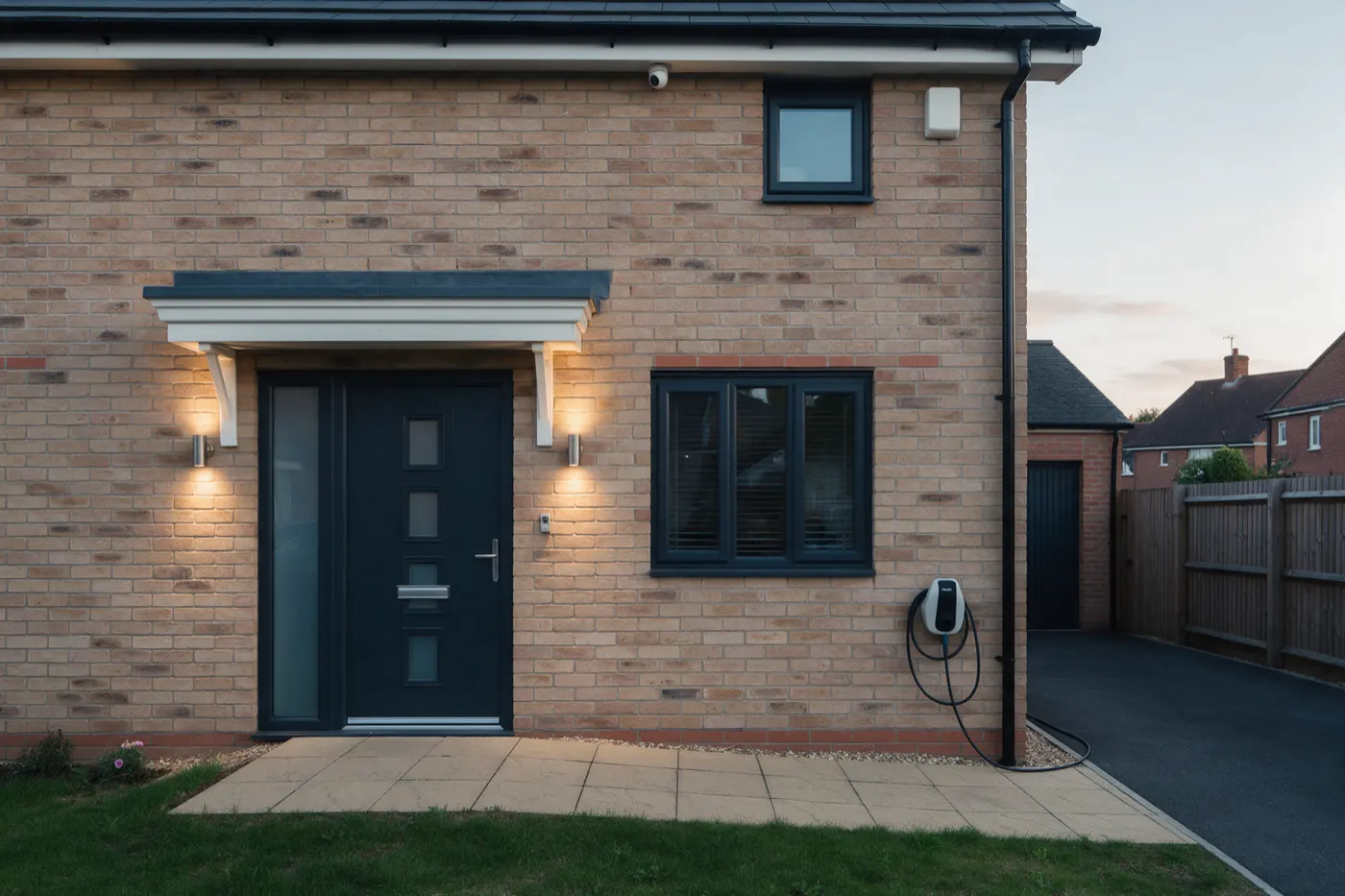
On our estimates, a 7kW home EV charger costs about £850 to £1,300 supplied and fitted with a standard install: the charger on the house wall, with a short cable run back to the fuse board. Trenching to a parking space away from the house adds £300 to £800; an old fuse box that needs replacing first adds £550 to £850. Most installs take three to five hours.
If you rent, or own a flat, with your own off-street parking, the government grant covers 75% of the cost up to £500. People who own a house can't claim it.
EV charger cost calculator
A 7kW home charger, supplied and fitted, plus the jobs that push the price up.
Estimated total
£850 to £1,300
| 7kW charger, supplied and fitted (standard install) | £850 to £1,300 |
EV charger prices
| Item | Typical cost |
|---|---|
| 7kW charger, standard install | £850 to £1,300 |
| Trench and cable to a parking space | £300 to £800 |
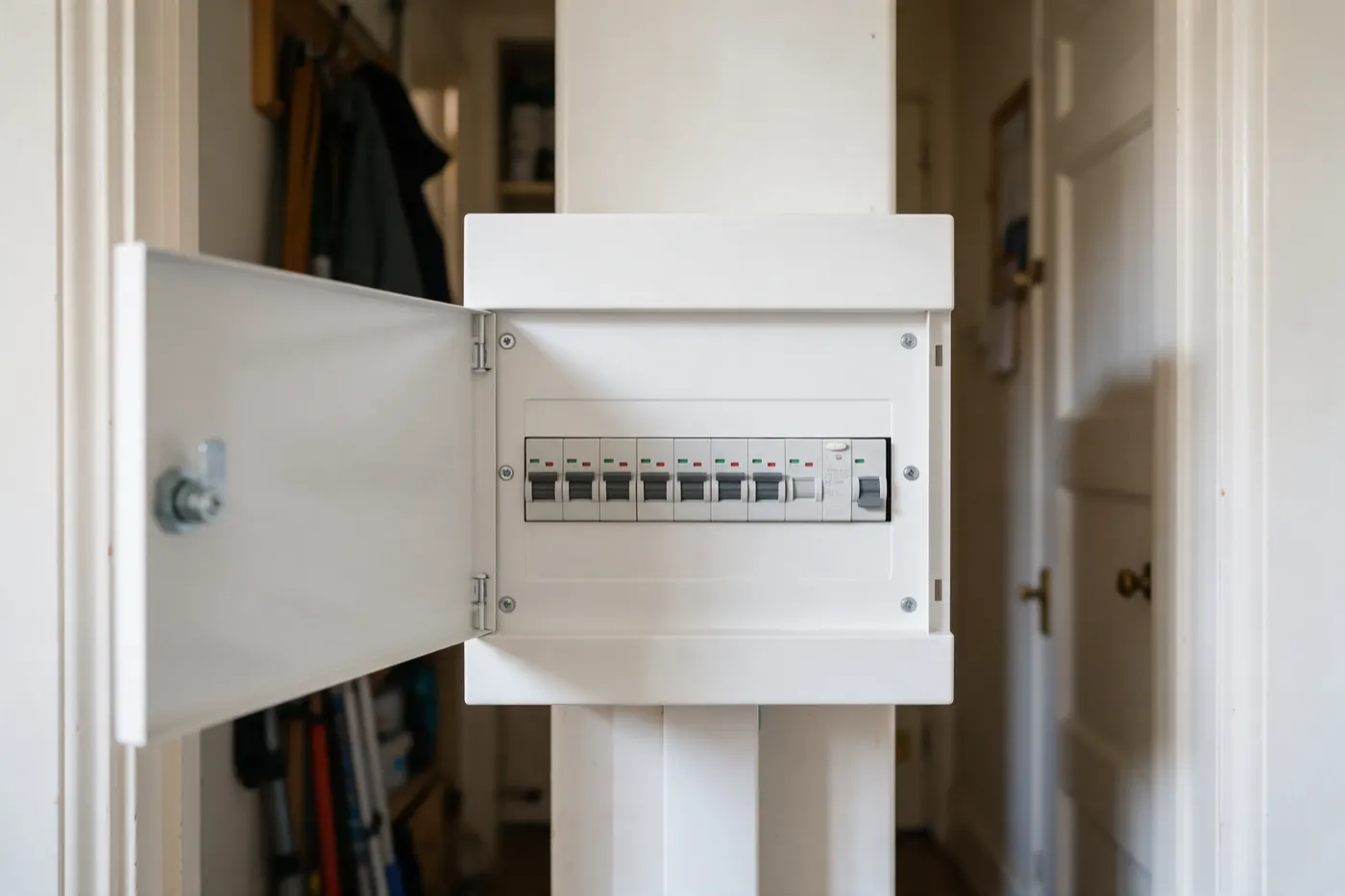
| New consumer unit, if needed | £550 to £850 |
What a standard install includes
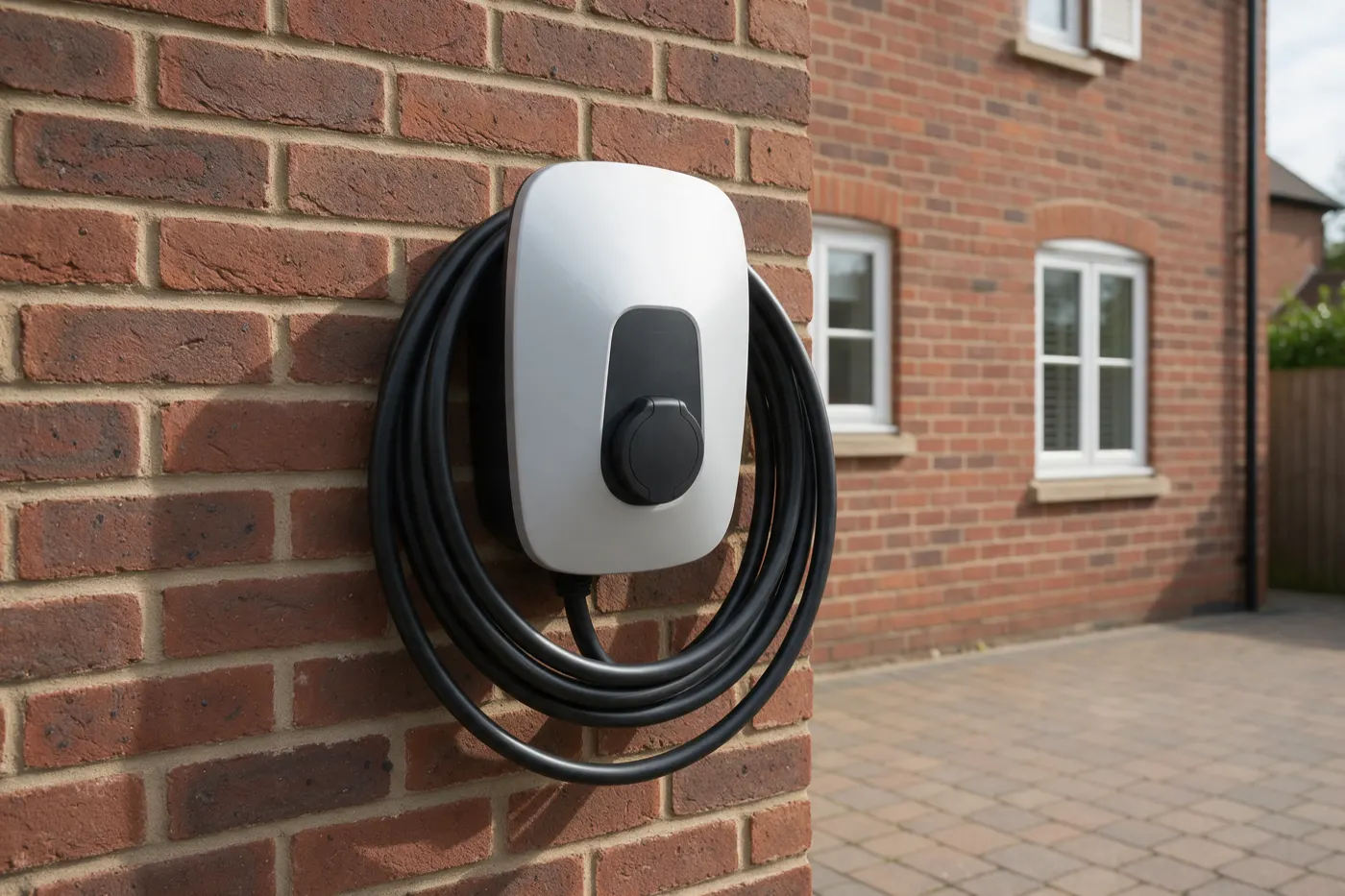
Installers price a "standard install" and charge extra for anything beyond it. BOXT's standard install, for example, covers:
- the charger fixed to a brick or plaster wall;
- one hole drilled through the wall, and up to 5 metres of cable back to the consumer unit;
- a Type A RCD or RCBO for the charger, and an earth rod where the ground is soft;
- testing and a certificate.
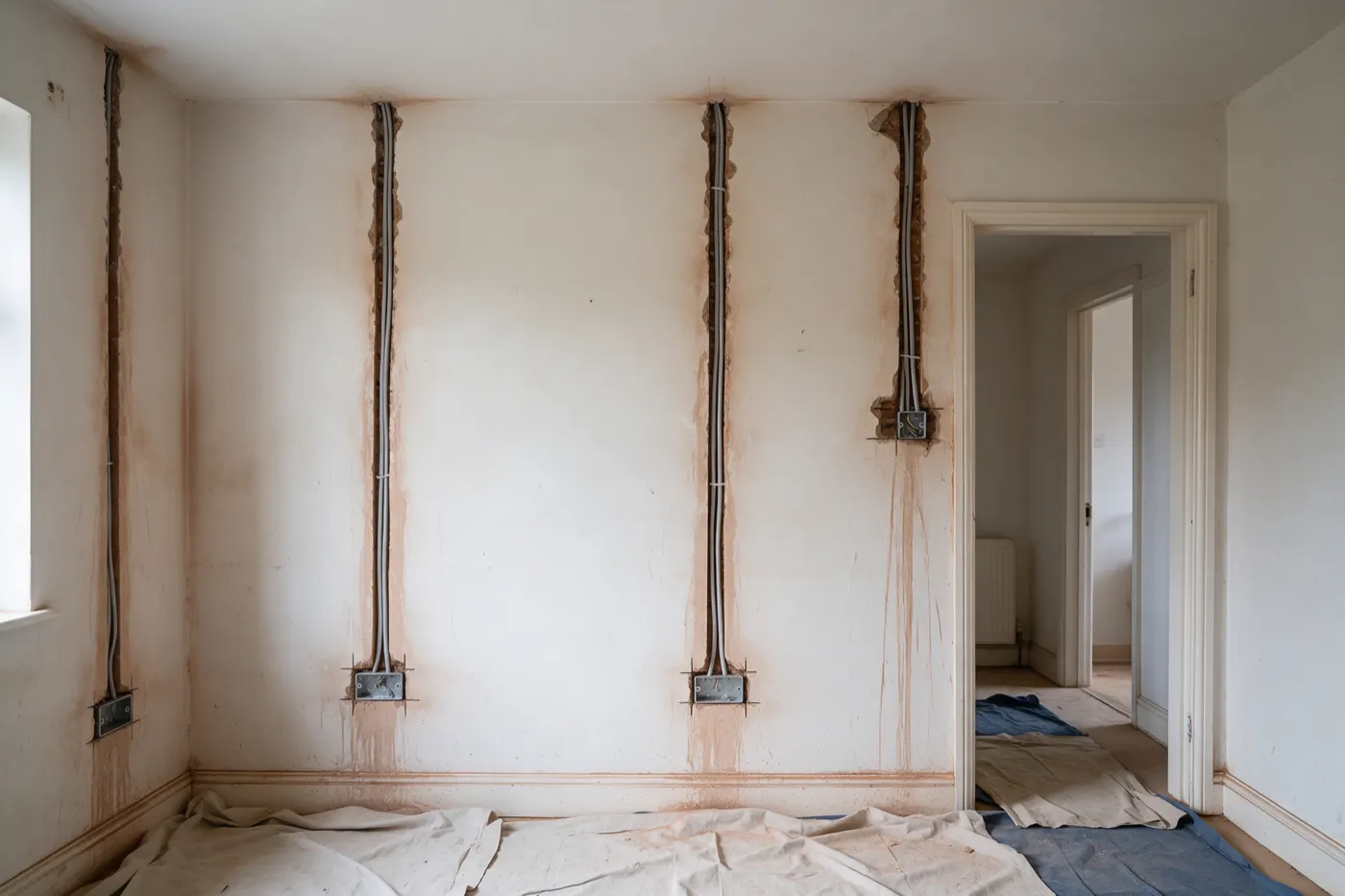
Anything longer, cable buried under a drive or lawn, or a consumer unit upgrade is priced on top. Trenching is priced by the metre, with a minimum charge for the digger, so I'd put the charger as close to the fuse board as your parking allows.
Most homes have a single-phase supply, which the RAC says limits a home charger to 7kW. A tethered charger has its cable attached; an untethered one needs you to plug in your own.
The EV chargepoint grant
- What: 75% off buying and installing a chargepoint socket, up to £500.
- Who: people who rent a home or own a flat (including shared ownership), with their own private, clearly defined off-street parking space and an eligible electric vehicle (owned, leased, used for work, or on order).
- Not: people who own a house (unless it's converted to flats), lodgers, anyone moving, anyone who's claimed before, or homes that must have a chargepoint by law, such as new builds. Landlords have a separate grant.
- How: get a dated quote from an OZEV-authorised installer, collect written permission from your landlord or freeholder (and the council for a listed building), then apply online. OZEV approves it before work starts, and the installer claims the grant for you.
Planning and certificates
A wall-mounted charger for off-street parking is permitted development as long as the charger and its casing are no bigger than 0.2m³, and it isn't at a listed building or on a scheduled monument. Until 29 May 2025, the rules also excluded a charger facing onto, and close to, a road; that limit has gone, so older advice may be out of date.
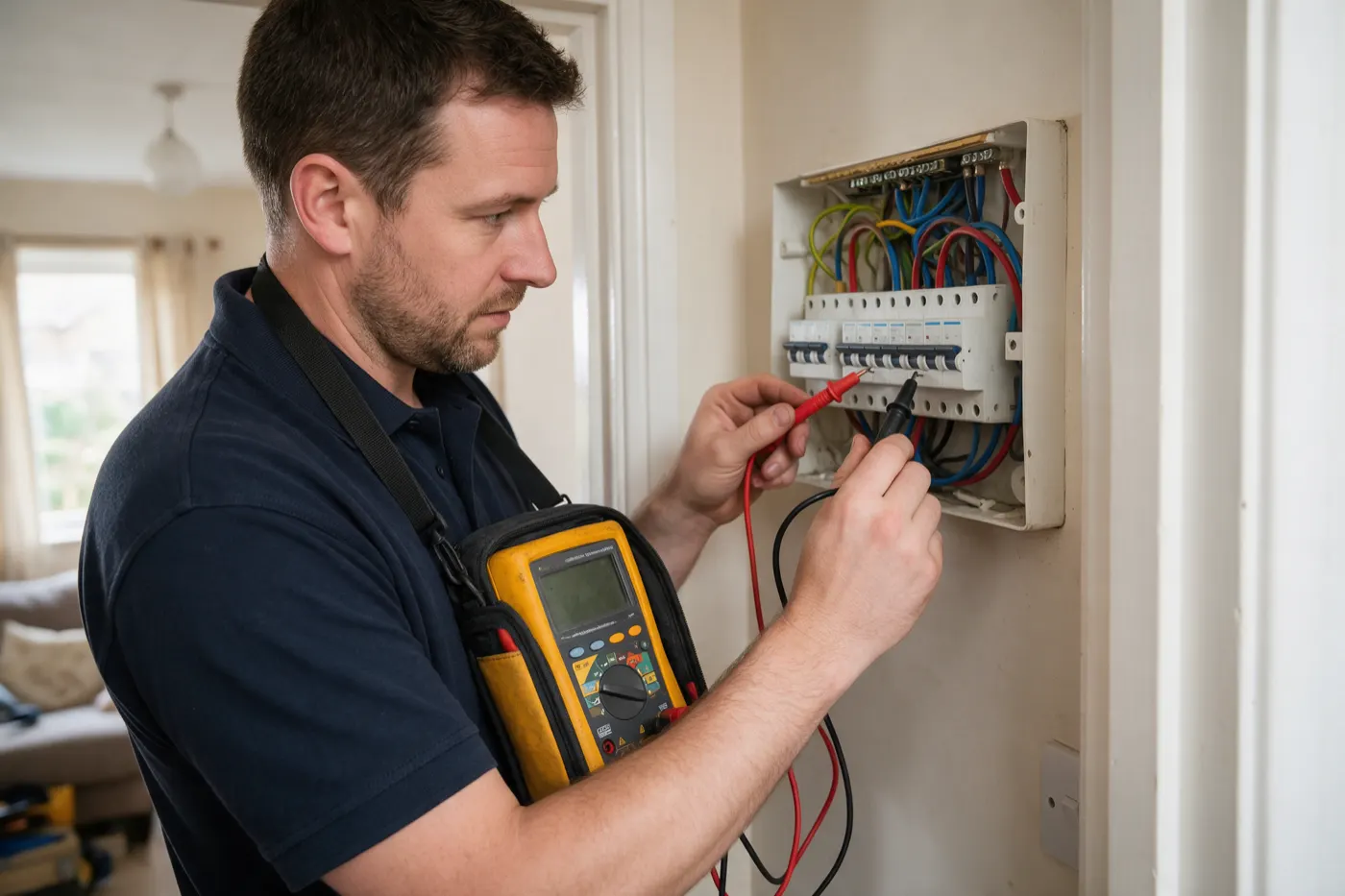
A new circuit, a new consumer unit, or work in a bathroom's special location is notifiable: use an electrician registered with Blue Flame, Certsure (NICEIC and ELECSA), NAPIT or OFTEC, who certifies it, or tell building control. See what you should get at the end. The charger also has to be registered with your electricity network operator, which the Energy Saving Trust says your installer usually does for you.
Related
Just want a socket outside? See outdoor sockets. Fuse box too old? Consumer units.
Get ev charger quotes
EV chargers are priced by the charger and the cable run from your fuse board.
Free, no obligation. We're paid by MyJobQuote when a tradesperson buys your job, never by you.
Frequently asked questions
How much does it cost to install an EV charger at home?
On our estimates, about £850 to £1,300 for a 7kW charger with a standard install, supplied and fitted.
Can I get a grant for an EV charger?
If you rent or own a flat and have private off-street parking: 75% off, up to £500. People who own a house aren't eligible.
Do I need planning permission for an EV charger?
Not usually, for a wall-mounted charger on off-street parking up to 0.2m³, unless it's at a listed building or on a scheduled monument.
How long does an EV charger installation take?
Usually three to five hours for a standard install.
Can I charge an electric car from a normal socket?
Occasionally. The RAC says a household three-pin socket should be kept for emergency or occasional use, and a dedicated charger is the safest way to charge at home.
How we priced thisView sources (10, 6 official)
Rules come from the legislation and official guidance, read at source. Prices are our estimates: we check them against trade price data, retailer shelf prices and specialists' price lists, then build them up from their parts so the totals add up. Below are the sources behind the page; the trade price guides we only compare against aren’t listed. Where sources disagreed, we've said so. More on our method.
- OfficialElectric vehicle chargepoint grant for renters or flat owners, GOV.UK. Checked 16 Oct 2026.
- OfficialElectric vehicle chargepoint grant for renters or flat owners: eligibility, GOV.UK. Checked 16 Oct 2026.
- OfficialElectric vehicle chargepoint grant for renters or flat owners: apply, GOV.UK. Checked 16 Oct 2026.
- OfficialThe Town and Country Planning (General Permitted Development) (England) Order 2015, Schedule 2 Part 2 (gates, fences, walls; means of access), legislation.gov.uk. Checked 15 Oct 2026.
- OfficialThe Building Regulations 2010, regulation 12(6A) and (9): notifiable electrical work and 'special location' (England), legislation.gov.uk. Checked 14 Oct 2026.
- OfficialThe Building Regulations 2010, Schedule 3: self-certification schemes (para 16, roof coverings), legislation.gov.uk. Checked 15 Oct 2026.
- IndustryCharging electric vehicles, Energy Saving Trust. Checked 16 Oct 2026.
- IndustryElectric car charging at home, RAC. Checked 16 Oct 2026.
- IndustryEV chargers, BOXT. Checked 16 Oct 2026.
- IndustryEV charging, British Gas. Checked 16 Oct 2026.