The Short Answer
On our estimates, electric underfloor heating costs about £40 to £90 per m² installed, and a wet system (water pipes from the boiler or heat pump) £100 to £190 per m², before the floor finish goes down. A 12m² kitchen is about £480 to £1,100 electric or £1,200 to £2,300 wet.
Electric is cheaper to put in but dearer to run, so it suits small rooms like bathrooms. Wet costs more to fit and less to run, and it pairs well with a heat pump. Installation takes one to four days.
Underfloor heating cost calculator
Wet or electric, priced per square metre of heated floor, before the floor finish goes down.
Estimated total
£320 to £720
| Electric underfloor heating, 8m², installed | £320 to £720 |
Underfloor heating prices by room
| Room | Area | Electric | Wet |
|---|---|---|---|
| Cloakroom | 2m² | £80 to £180 | £200 to £380 |
| En suite | 4m² | £160 to £360 | £400 to £760 |
| Bathroom | 6m² | £240 to £540 | £600 to £1,150 |
| Kitchen | 12m² | £480 to £1,100 | £1,200 to £2,300 |
| Living room | 20m² | £800 to £1,800 | £2,000 to £3,800 |
Wet or electric?
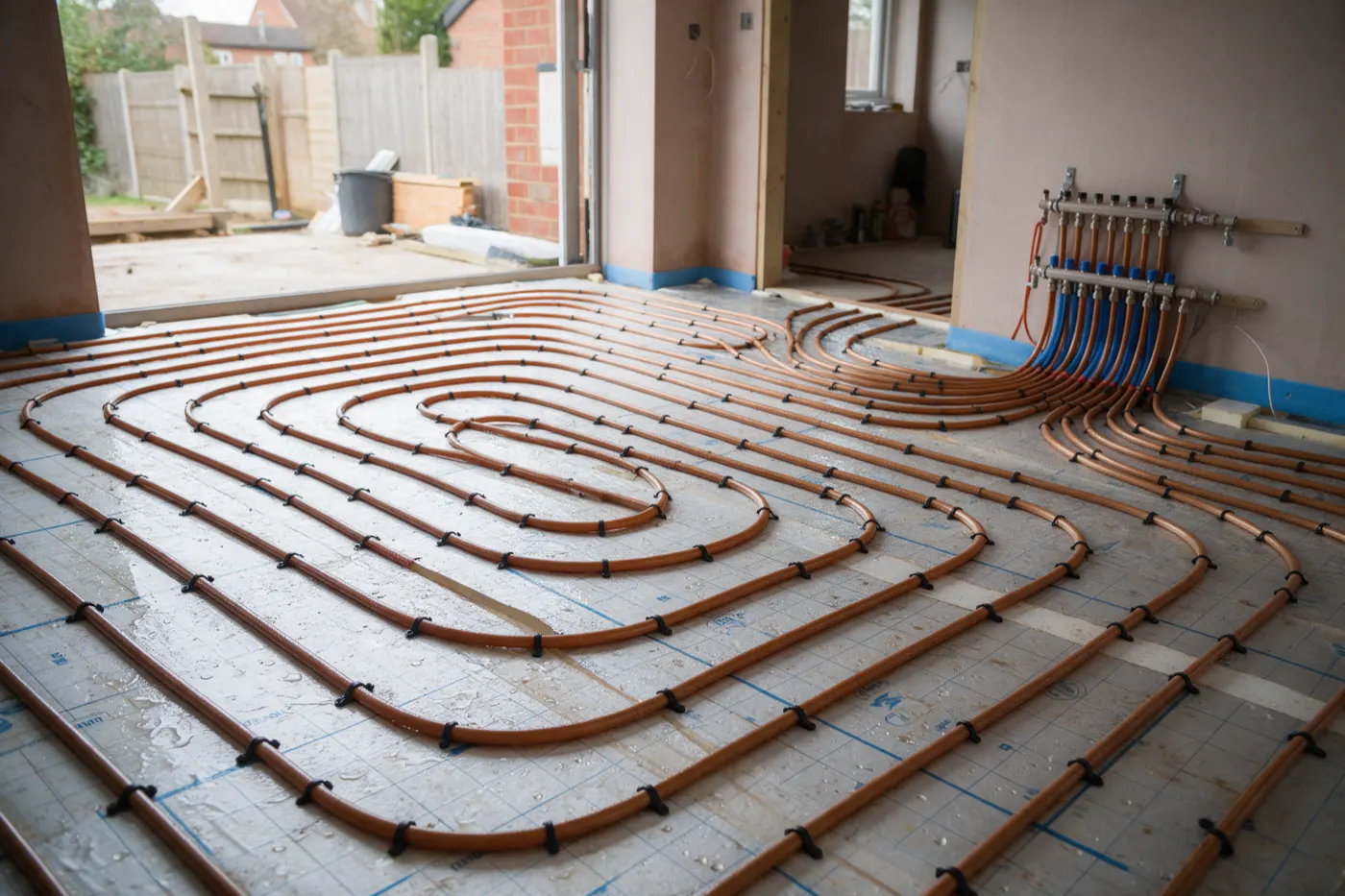
The Energy Saving Trust's comparison:
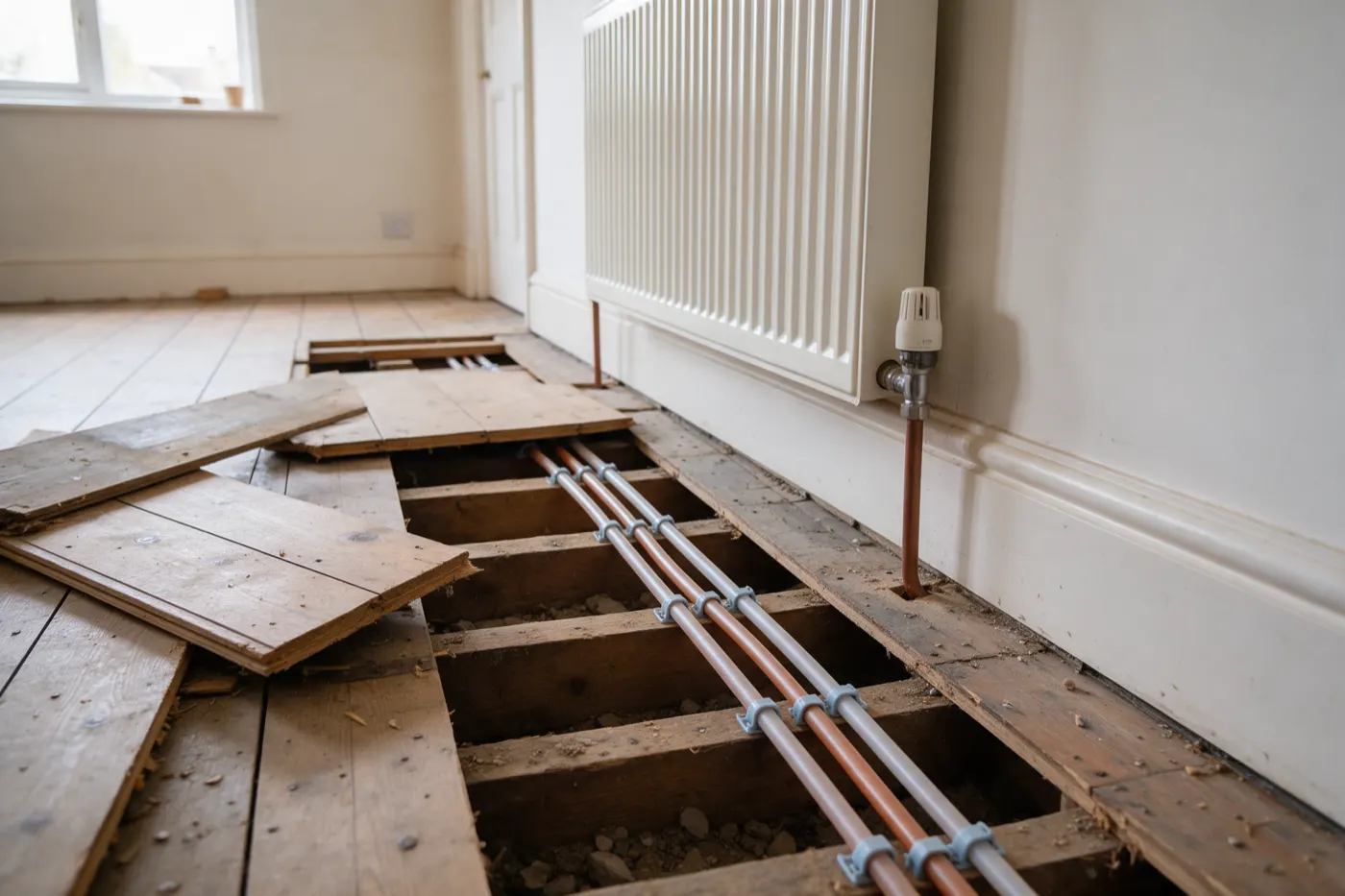
- Electric (dry): mats or cables under the floor. Good for warming a small area such as a bathroom quickly, but like any direct electric heater, costly to run for long periods or over a large space. Cheaper to install, dearer to run.
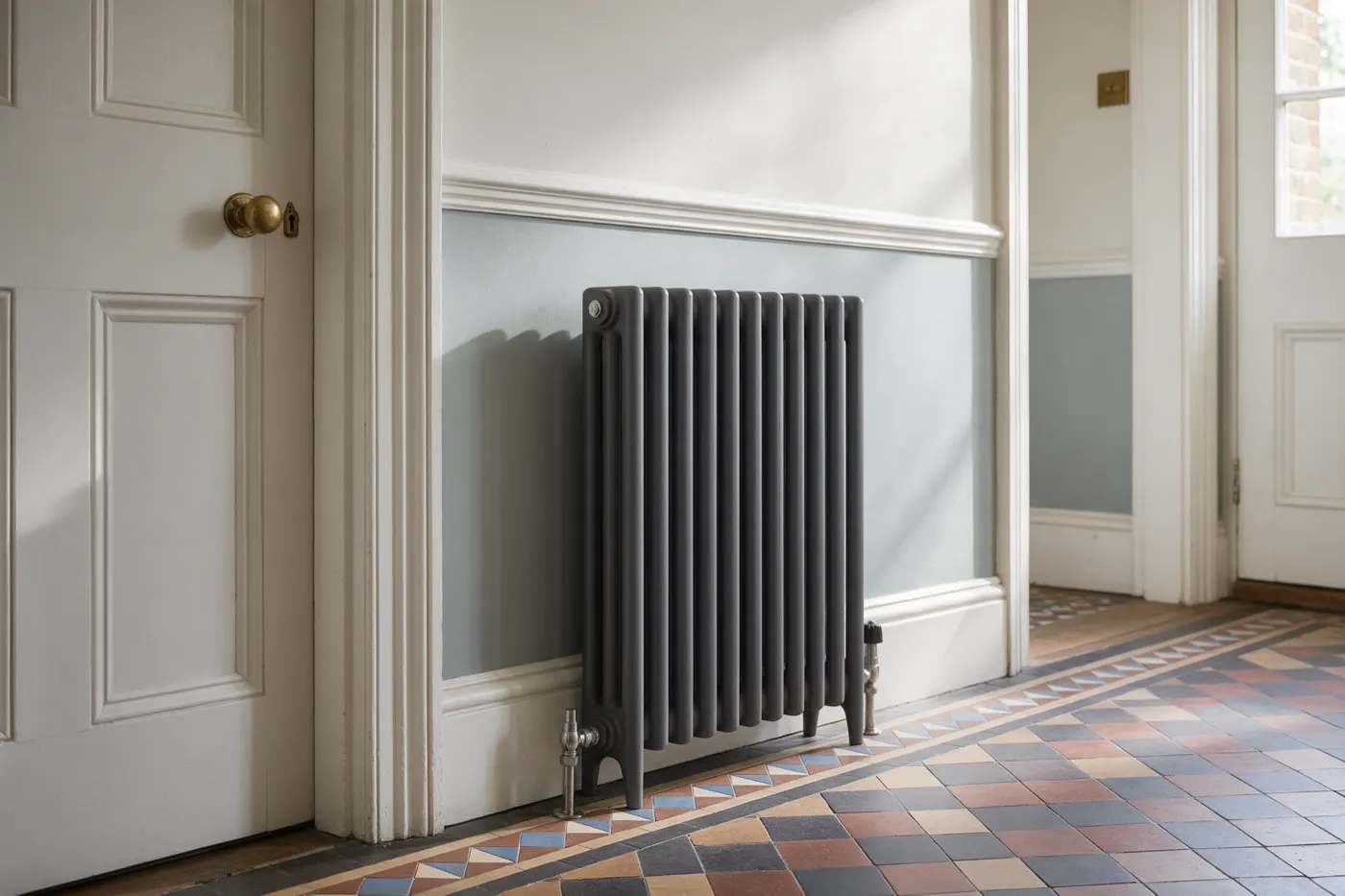
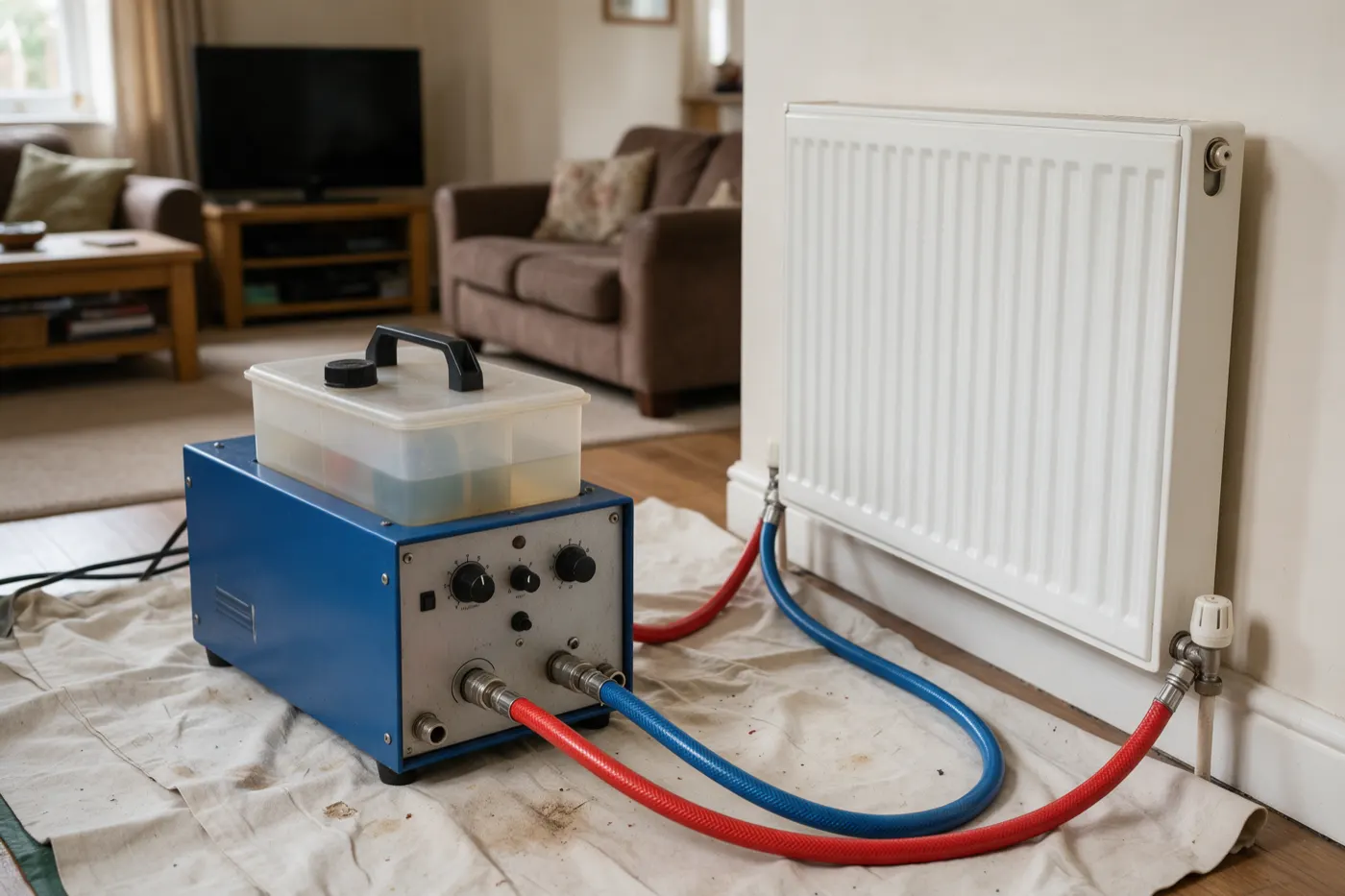
- Wet: pipes connected to a boiler or heat pump. Because it has a much larger surface than radiators, it can run at a lower water temperature, which saves money compared with radiators alone, and it's easy to combine with a heat pump.
I'd choose electric for a bathroom, en suite or small kitchen, and wet when a whole ground floor is being dug up anyway, or with a heat pump. The Energy Saving Trust notes that some installers suggest underfloor heating downstairs and larger radiators upstairs.
Is it expensive to run?
Electric underfloor heating is direct electric heating, paying the full electricity price for every unit of heat: 26.32p a kWh at the 1 October to 31 December 2026 price cap. I'd use it to take the chill off a bathroom floor, not as the main heating for a big room. A wet system runs off your boiler or heat pump, and the Energy Saving Trust says its lower water temperature saves money compared with radiators alone.
Which floors work
From the Energy Saving Trust:
- Stone and ceramic tiles pass heat through well.
- Vinyl and laminate work if they're not too thick.
- Engineered wood copes with the changes in temperature.
- Carpet slows the heat down: keep the carpet and underlay together at 2.5 tog or lower.
Getting it installed
The Energy Saving Trust says it's cheaper to fit underfloor heating when you're replacing the floor anyway, and advises using qualified professionals, getting at least three quotes and looking for a TrustMark-registered business. An electric system needs a qualified electrician to connect it.
A new circuit, a new consumer unit, or work in a bathroom's special location is notifiable: use an electrician registered with Blue Flame, Certsure (NICEIC and ELECSA), NAPIT or OFTEC, who certifies it, or tell building control. See what you should get at the end.
For the tiles or floor that go on top, see tiling costs.
Get underfloor heating quotes
Underfloor heating is priced per m², by the system and the floor build-up.
Free, no obligation. We're paid by MyJobQuote when a tradesperson buys your job, never by you.
Frequently asked questions
How much does underfloor heating cost to install?
On our estimates, about £40 to £90 per m² for electric and £100 to £190 per m² for wet, before the floor finish. A 12m² kitchen is about £480 to £1,100 electric or £1,200 to £2,300 wet.
Is underfloor heating expensive to run?
Electric is, over large areas or long hours, because it's direct electric heating at 26.32p a kWh (1 October to 31 December 2026). Wet underfloor heating runs at a lower water temperature than radiators, which the Energy Saving Trust says saves money.
What are the downsides of underfloor heating?
Electric is costly to run as main heating; wet costs more to fit and is easiest when a floor is coming up anyway; and thick carpet slows the heat (keep it at 2.5 tog or lower with the underlay).
Is underfloor heating worth it?
For a bathroom or a ground floor that's being relaid, often yes: even heat, warm floors and no radiators on the walls. I'd think twice about lifting a good floor just to fit it.
Can you put carpet over underfloor heating?
Yes, but keep the carpet and underlay together at 2.5 tog or lower, the Energy Saving Trust says.
How we priced thisView sources (4, 3 official)
Rules come from the legislation and official guidance, read at source. Prices are our estimates: we check them against trade price data, retailer shelf prices and specialists' price lists, then build them up from their parts so the totals add up. Below are the sources behind the page; the trade price guides we only compare against aren’t listed. Where sources disagreed, we've said so. More on our method.
- IndustryUnderfloor heating, Energy Saving Trust. Checked 16 Oct 2026.
- OfficialEnergy price cap unit rates and standing charges, 1 October to 31 December 2026, Ofgem. Checked 15 Oct 2026.
- OfficialThe Building Regulations 2010, regulation 12(6A) and (9): notifiable electrical work and 'special location' (England), legislation.gov.uk. Checked 14 Oct 2026.
- OfficialThe Building Regulations 2010, Schedule 3: self-certification schemes (para 16, roof coverings), legislation.gov.uk. Checked 15 Oct 2026.