The Short Answer
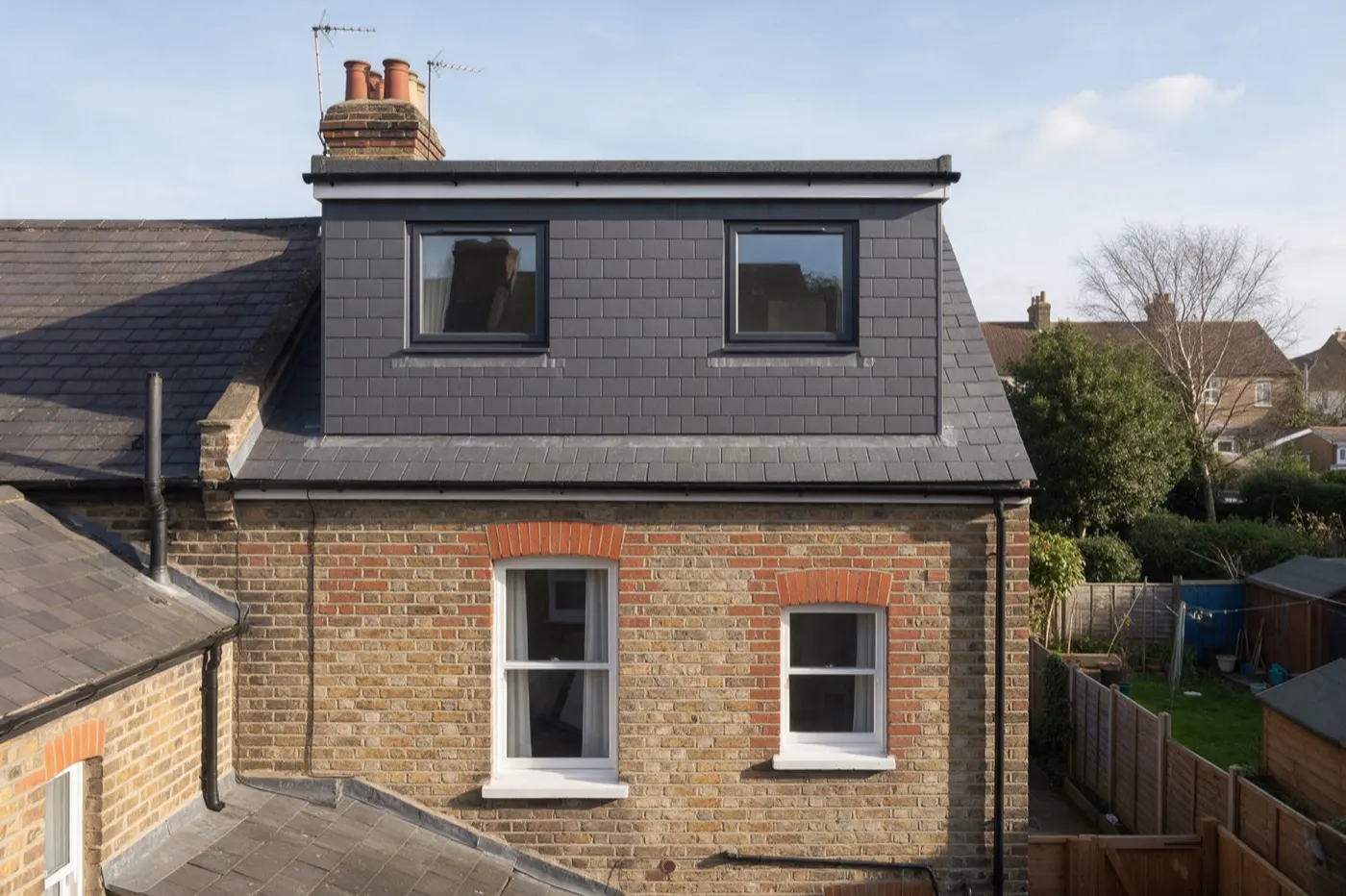
On our estimates, a hip-to-gable loft conversion costs about £50,000 to £78,000 including VAT, usually with a rear dormer as well, and takes 8 to 12 weeks. That's a little more than a rear dormer alone (£45,000 to £68,000) because the sloping side of the roof is taken down and rebuilt as a vertical gable wall.
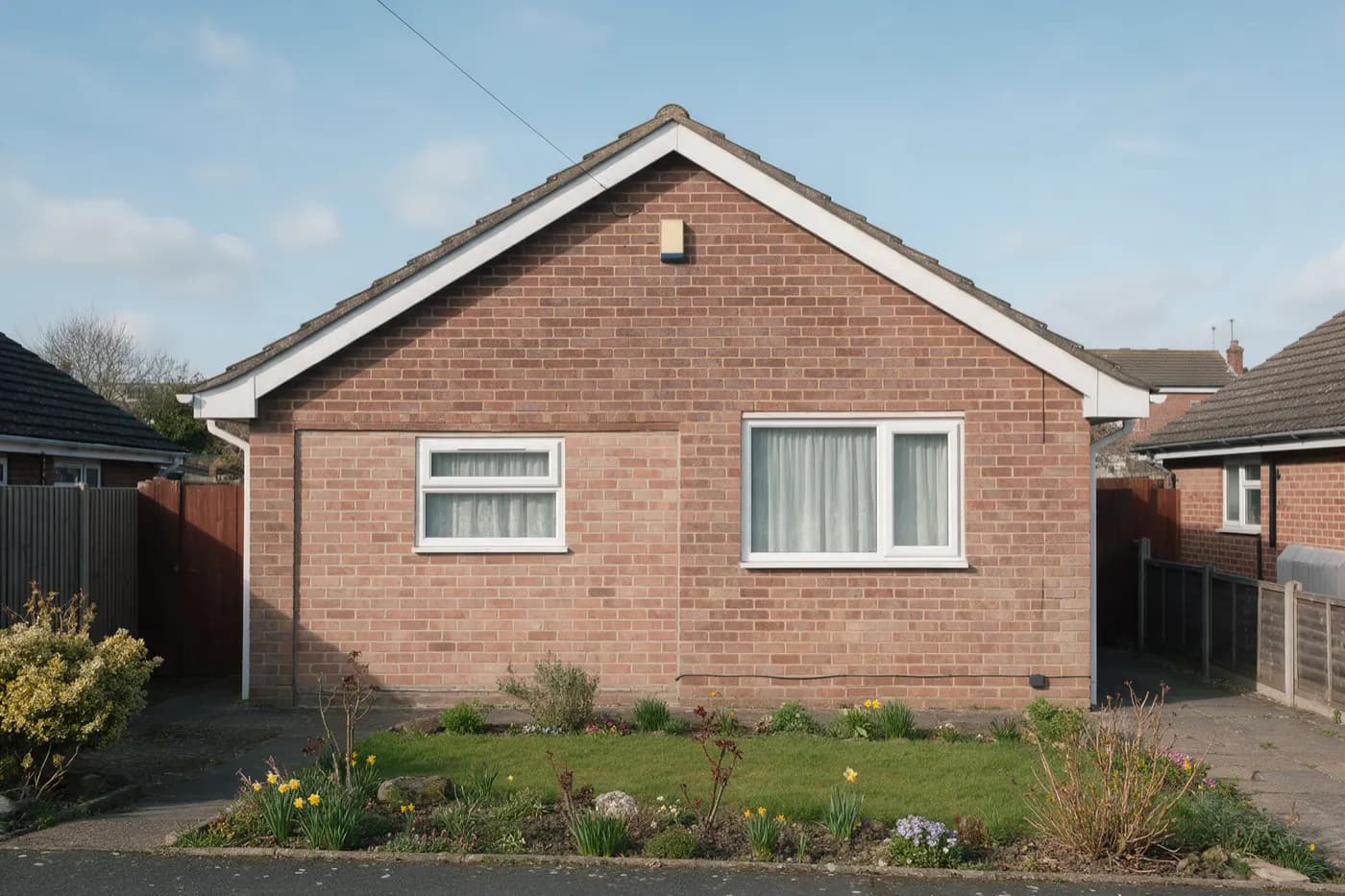
It's a popular conversion for detached and semi-detached houses with a hipped roof: replacing the sloping side with a vertical wall creates much more full-height space. Within the volume limits, it can stay within permitted development.
Hip to gable prices
| Conversion | Typical cost | Weeks |
|---|---|---|
| Hip-to-gable with rear dormer | £50,000 to £78,000 | 8 to 12 |
| Rear dormer only (for comparison) | £45,000 to £68,000 | 8 to 12 |
| Rooflight (Velux) conversion (for comparison) | £28,000 to £42,000 | 4 to 6 |
What the work involves
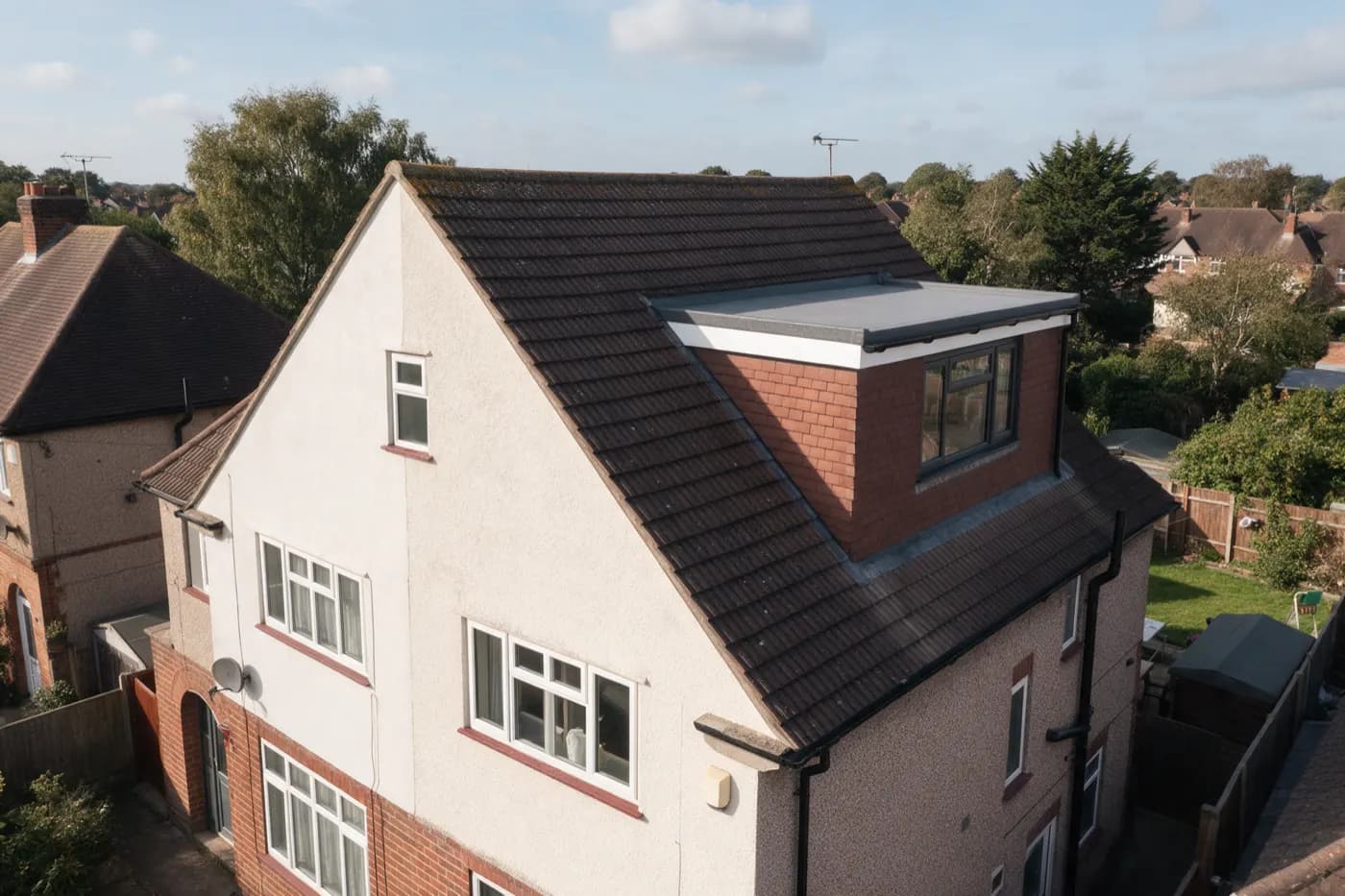
A typical sequence:
- Week 1: scaffolding up, materials on site, and the roof opened up.
- Week 2: the roof structure altered, the new gable wall built, supports and windows in.
- Week 3: the roof finished and tiled, insulation in, first fix electrics and plumbing.
- Week 4 on: remaining windows, the floor and plasterboard, then the stairs, fire protection and finishing, as for any loft conversion.
Most add a rear dormer at the same time, which costs more because it's a second structural change.
Planning and party walls
Hip-to-gable is permitted development on a house in England within the roof enlargement limits: no more than 40m³ of extra roof space on an end terrace and 50m³ on a semi or detached, nothing above the existing ridge, materials of similar appearance, and not in conservation areas or other designated land. The usual 0.2m dormer setback from the eaves doesn't apply to the gable itself.
A hip-to-gable plus a full-width rear dormer can use up much of the allowance, so I'd have the designer calculate the volume. If your neighbour already has one, that's a good sign, but not a guarantee.
Get hip-to-gable loft conversion quotes
Hip-to-gable conversions rebuild the sloping side of the roof. Tell specialists about your house.
Free, no obligation. We're paid by MyJobQuote when a tradesperson buys your job, never by you.
Frequently asked questions
How much does a hip to gable loft conversion cost?
On our estimates, about £50,000 to £78,000 including VAT, usually with a rear dormer, taking 8 to 12 weeks.
Do you need planning permission for a hip to gable loft conversion?
Usually not on a house in England, if the extra roof space is within 50m³ (40m³ on an end terrace), nothing is higher than the ridge, and you're not in a designated area.
How can I convert my hip roof to a gable end loft?
The sloping side of the roof is taken down and rebuilt as a vertical gable wall, with the roof extended to meet it, usually with a rear dormer as well. It's specialist structural work needing building regulations approval.
Is hip to gable more expensive than a dormer?
A little: £50,000 to £78,000 against £45,000 to £68,000 on our estimates, because the side of the roof is rebuilt as a gable wall.
What is the 10-year rule for loft conversions?
Since 25 April 2024, councils have 10 years to take enforcement action against a breach of planning control, including unauthorised building work.
How long does a hip to gable loft conversion take?
About 8 to 12 weeks on site on our estimates, usually with a rear dormer built at the same time. Allow time before that for the design, building regulations approval and any party wall notice, which is at least 2 months where new steels bear on a shared wall.
How we priced thisView sources (4, 3 official)
Rules come from the legislation and official guidance, read at source. Prices are our estimates: we check them against trade price data, retailer shelf prices and specialists' price lists, then build them up from their parts so the totals add up. Below are the sources behind the page; the trade price guides we only compare against aren’t listed. Where sources disagreed, we've said so. More on our method.
- OfficialThe Town and Country Planning (General Permitted Development) (England) Order 2015, Schedule 2 Part 1, legislation.gov.uk. Checked 16 Oct 2026.
- OfficialParty Wall etc. Act 1996, sections 2 and 3, legislation.gov.uk. Checked 15 Oct 2026.
- OfficialEnforcement appeals: key changes under the Levelling-up and Regeneration Act (19 April 2024), GOV.UK. Checked 15 Oct 2026.
- IndustryLoft conversion cost: a breakdown of costs (3 September 2025), Federation of Master Builders. Checked 15 Oct 2026.