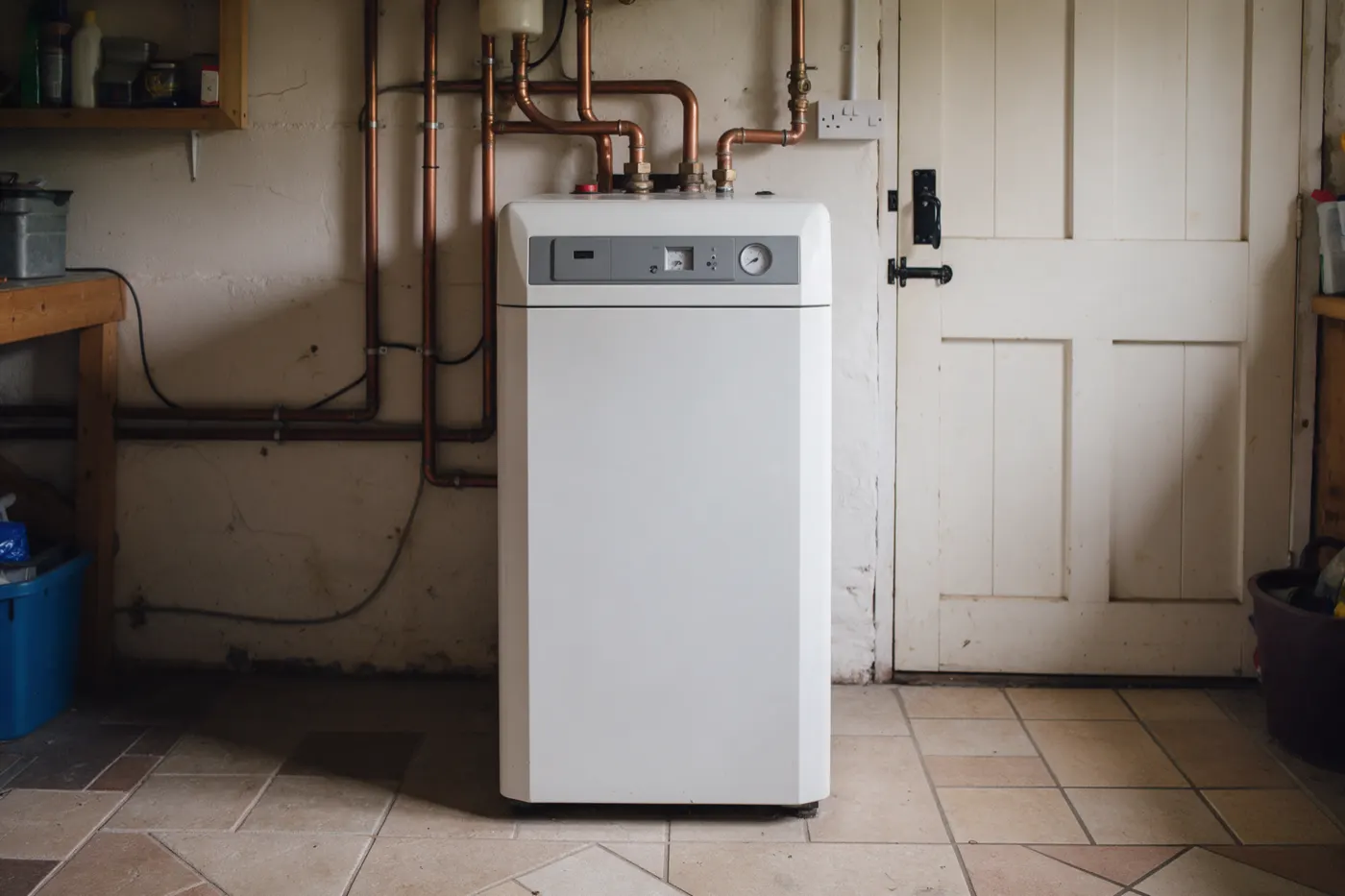
The Short Answer
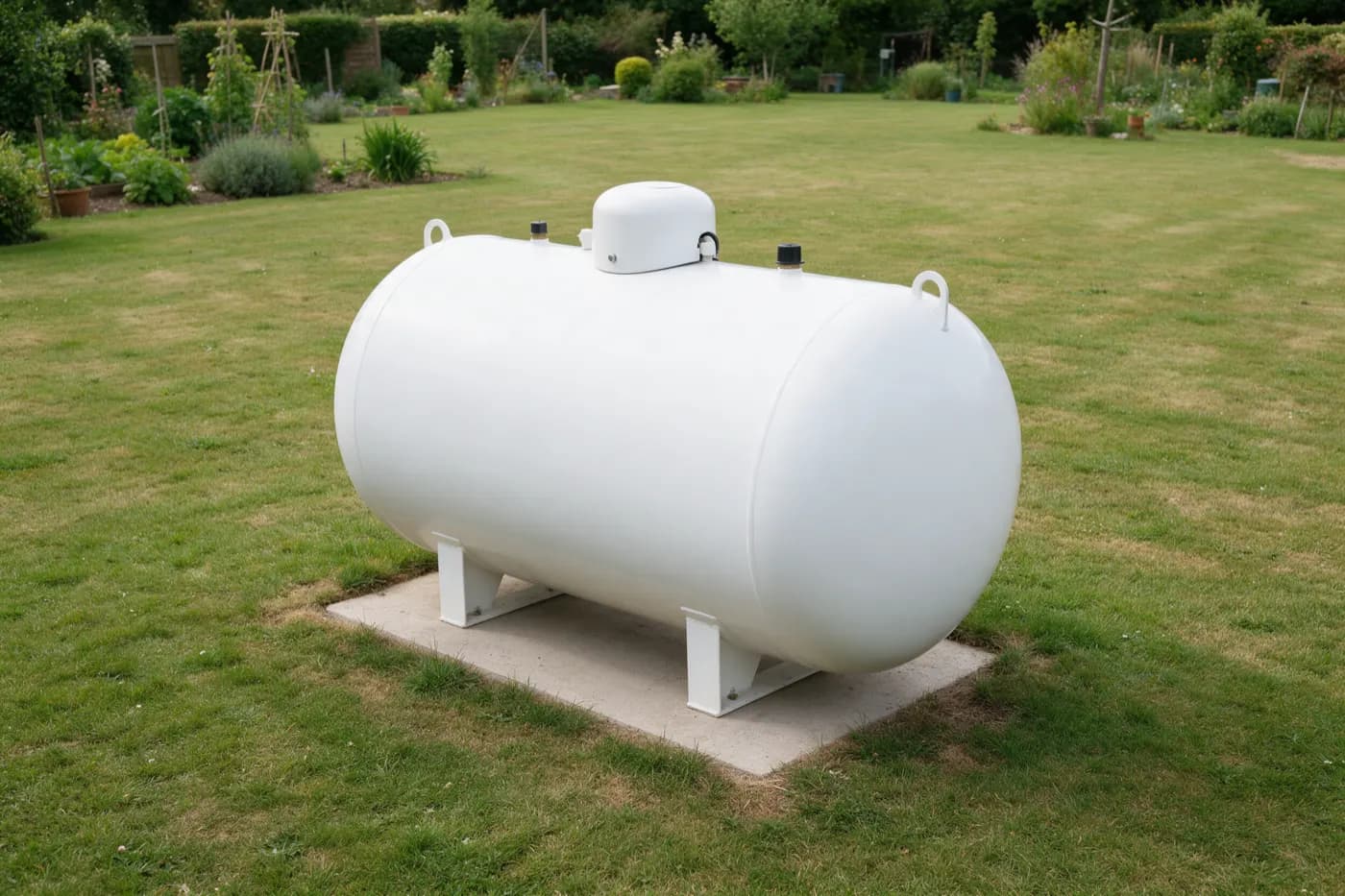
On our estimates, replacing a domestic heating oil tank costs about £1,500 to £4,000, including taking the old one away. The tank itself is about £800 to £1,200 for a standard 1,100 litre single-skin tank, or £1,200 to £2,000 for a bunded one.
What moves the price most is whether it needs a bund, where it can go (distance from the house and the boundary) and the base. Certas Energy, the heating oil supplier, says most tanks last around 20 years.
Oil tank prices
| Job | Typical cost |
|---|---|
| Replace a tank, old one removed | £1,500 to £4,000 |
| Single-skin tank, about 1,100 litres | £800 to £1,200 |
| Bunded tank | £1,200 to £2,000 |
Does it need to be bunded?
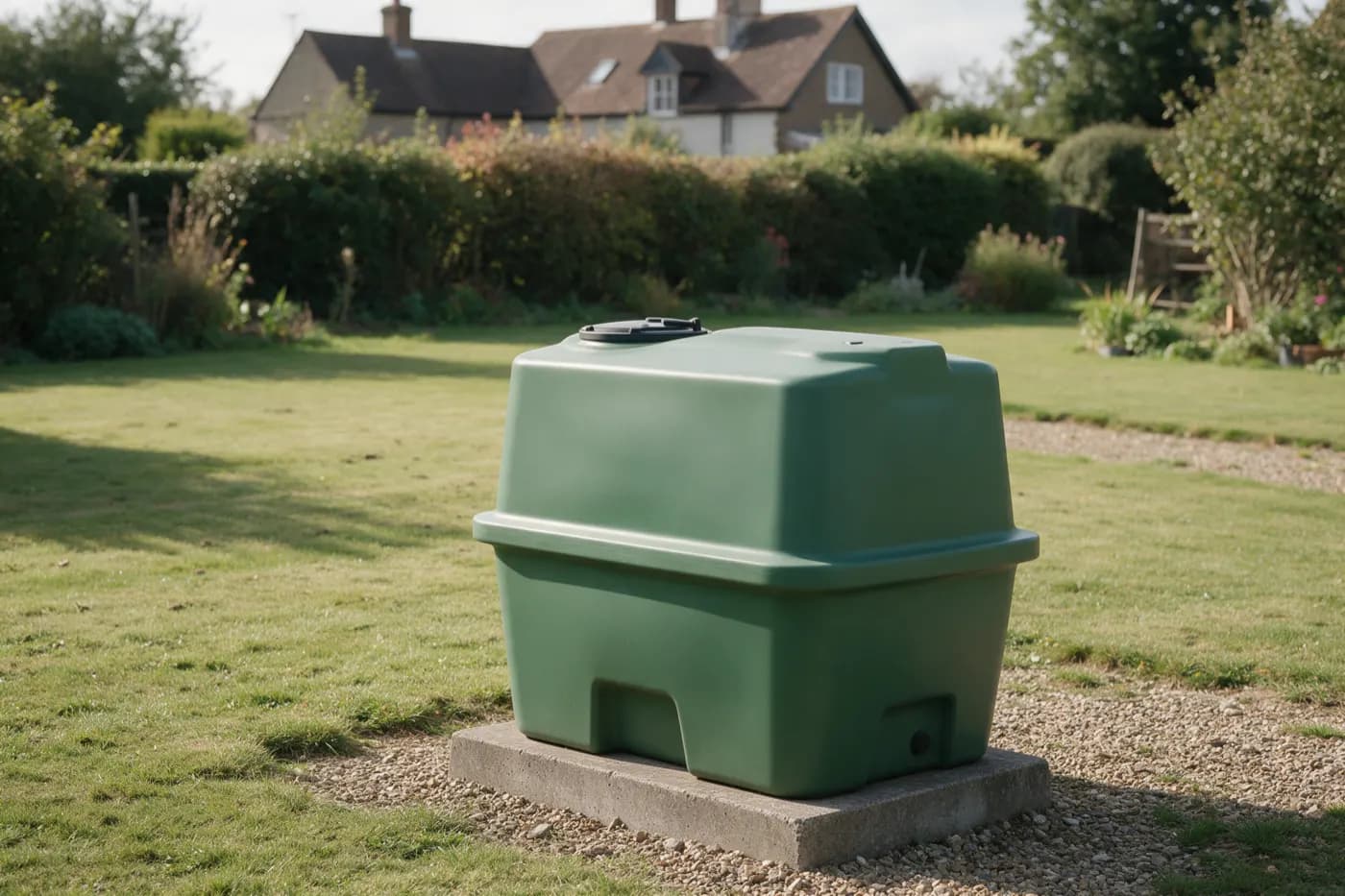
A bunded tank is a tank within a tank, so a leak from the inner one is caught. In England, Approved Document J asks for one where there's a significant risk of pollution, which includes a tank:
- holding more than 2,500 litres;
- within 10m of inland or coastal waters;
- where a spill could reach an open drain or a loose-fitting manhole cover;
- within 50m of a well, borehole or spring;
- where oil could run across hard ground to any of those;
- where the vent pipe can't be seen from the filling point;
- in the inner zone (Zone 1) of a groundwater source protection zone.
Certas says a leak or spill can cost up to £30,000 to clear up. With that at stake, I'd choose a bunded tank even where the rules don't insist on one; the difference in price is small by comparison.
Where it can go
Approved Document J's fire rules for tanks up to 3,500 litres:
- Within 1.8m of the house: the nearby walls and eaves need to be fire-resisting, or a fire wall built between them.
- Within 760mm of a boundary: a fire wall, or a 30-minute fire-resisting boundary wall.
- At least 1.8m from the house and 760mm from the boundary: nothing more is needed.
Underground tanks aren't recommended.
Planning: a heating oil tank in the garden of a house is permitted development unless it holds more than 3,500 litres, sits in front of the house, is over 2.5m high within 2m of the boundary (3m elsewhere), is at a listed building, or would take outbuildings and containers over half the garden. A like-for-like replacement in the same spot should stay within all of that, as long as the new tank is no bigger or taller.
Who fits it
A new oil tank is building regulations work. Installers registered with a competent person scheme for oil (APHC, Blue Flame, BESCA, Certsure, NAPIT or OFTEC) can self-certify it; otherwise you need to give building control notice. OFTEC is the oil heating trade body, and its register is where to find a technician. Ask for the certificate at the end and keep it with the house documents.
How long tanks last, and the signs
Certas says most tanks last around 20 years, and to check them more carefully once they're over 10. It recommends a yearly inspection by an OFTEC-registered technician and lists what to look for:
- bulges, cracks, rust, discolouration or dents;
- any spills or leaks, including from the pipework;
- gauges and filling points that don't work (they can lead to overfilling);
- vents and gauges open to insects and dirt;
- using more oil than usual;
- a base that isn't solid and level.
It also suggests keeping a spill kit. If the boiler's due too, see oil boiler replacement.
Get oil tank replacement quotes
Oil tanks are priced by size, single or bunded, and access for removal.
Free, no obligation. We're paid by MyJobQuote when a tradesperson buys your job, never by you.
Frequently asked questions
How much does it cost to replace an oil tank?
On our estimates, about £1,500 to £4,000 including removing the old tank. A bunded tank on its own is about £1,200 to £2,000.
How often should an oil tank be replaced?
There's no fixed interval. Certas Energy says most tanks last around 20 years and should be checked more carefully once they're over 10, with a yearly inspection by an OFTEC technician.
Do I need planning permission to replace an oil tank?
Usually not, for a house in England: a tank up to 3,500 litres that isn't in front of the house, isn't too tall near the boundary and isn't at a listed building is permitted development.
What are the signs an oil tank needs replacing?
Bulges, cracks, rust, discolouration or dents, leaks from the tank or pipework, faulty gauges, and using more oil than usual.
Does my oil tank need to be bunded?
In England, if it holds more than 2,500 litres or sits near water, a drain, a well or a borehole, among other risks. I'd choose one anyway.
How we priced thisView sources (5, 3 official)
Rules come from the legislation and official guidance, read at source. Prices are our estimates: we check them against trade price data, retailer shelf prices and specialists' price lists, then build them up from their parts so the totals add up. Below are the sources behind the page; the trade price guides we only compare against aren’t listed. Where sources disagreed, we've said so. More on our method.
- OfficialApproved Document J: Combustion appliances and fuel storage systems (2010 edition incorporating 2010, 2013 and 2022 amendments), GOV.UK. Checked 16 Oct 2026.
- OfficialThe Town and Country Planning (General Permitted Development) (England) Order 2015, Schedule 2 Part 1, legislation.gov.uk. Checked 16 Oct 2026.
- OfficialThe Building Regulations 2010, Schedule 3: self-certification schemes (para 16, roof coverings), legislation.gov.uk. Checked 15 Oct 2026.
- IndustryA guide to heating oil tank replacement (9 July 2021), Certas Energy. Checked 16 Oct 2026.
- IndustryBuilding regulations and heating installation work, OFTEC. Checked 16 Oct 2026.