
The Short Answer
LVT (luxury vinyl tile) is made mainly of PVC and limestone, so it stands up to surface water: it's the one for bathrooms, kitchens and anywhere with pets or spills. Laminate has a fibreboard core under a printed, hard-wearing top layer: it's usually the cheaper of the two, and fine in living rooms, bedrooms and hallways, but standard laminate doesn't belong in a bathroom.
Both can go over underfloor heating, as long as the floor surface stays at or below 27°C. Neither is for a wet room.
Either works: choose on look, feel and budget.
In a living room, laminate is usually the cheaper of the two on our estimates, while LVT copes better with water, from a wet dog to muddy boots.
Both makers allow underfloor heating with a maximum floor surface temperature of 27°C. Whatever you choose, have it fitted to the maker's installation instructions.
What each one is
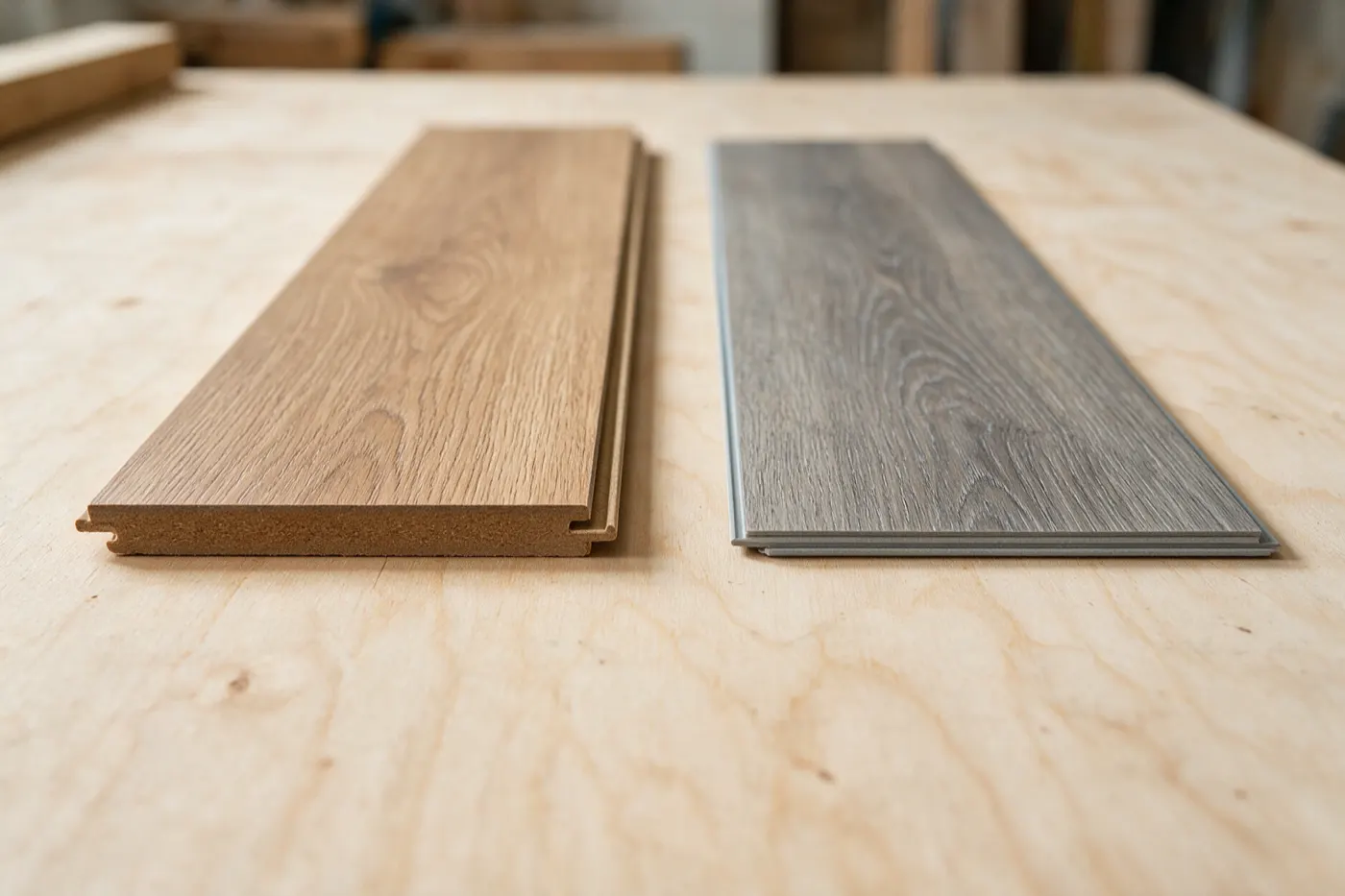
Laminate, as Quick-Step describes it, is built in four layers around a core of HDF (high density fibreboard, made from wood fibres and resin): a balancing layer underneath, the core, a design layer that is a high-resolution photograph of wood or tiles, and a clear, wear-resistant melamine top layer that resists stains, scratches, burns and household chemicals. It's always laid as a floating floor, clicked together over an underlay rather than stuck down.
LVT, as Karndean describes its own, comes as individual planks and tiles in layers, made mainly from calcium carbonate (limestone), PVC and pigments, designed to look like wood or stone. It comes in two main formats: glue-down, stuck to the subfloor (Karndean says it's the most common format in the UK), and click (rigid core) planks that float like laminate.
Sheet vinyl is different again: it comes off a roll with the design printed on the surface.
Water: the biggest difference
This is what usually decides it. Karndean says its LVT withstands surface water without damage, which is why it's sold for kitchens, bathrooms and utility rooms. It still isn't a wet room floor: Karndean says it's not suitable for wet rooms or outdoors.
Laminate's core is wood fibre. Karndean, an LVT maker, goes as far as saying laminate absorbs moisture and warps as it dries out, which makes kitchens and bathrooms a problem. The laminate makers' answer is water-repellent ranges: Quick-Step says only its "HydroSeal" laminate, finished with its waterproof sealing kit and strips, is suitable for a bathroom, and that some national regulations don't allow floating floors in wet rooms at all. For spills on any laminate, wipe them up and don't use too much water when you mop.
So our rule is simple: standard laminate stays out of bathrooms, en-suites and utility rooms. If you love the look of laminate in a kitchen, buy a water-resistant range and have it sealed exactly as the maker says, or use LVT instead.
Underfloor heating and warmth
Both makers allow underfloor heating with the same limit: the surface of the floor, where your feet touch it, must not go above 27°C. Tell your fitter and your heating installer which floor you're having, so the system can be set up for it. Quick-Step also sets a limit on the underlay's thermal resistance, so use the underlay the maker specifies for underfloor heating.
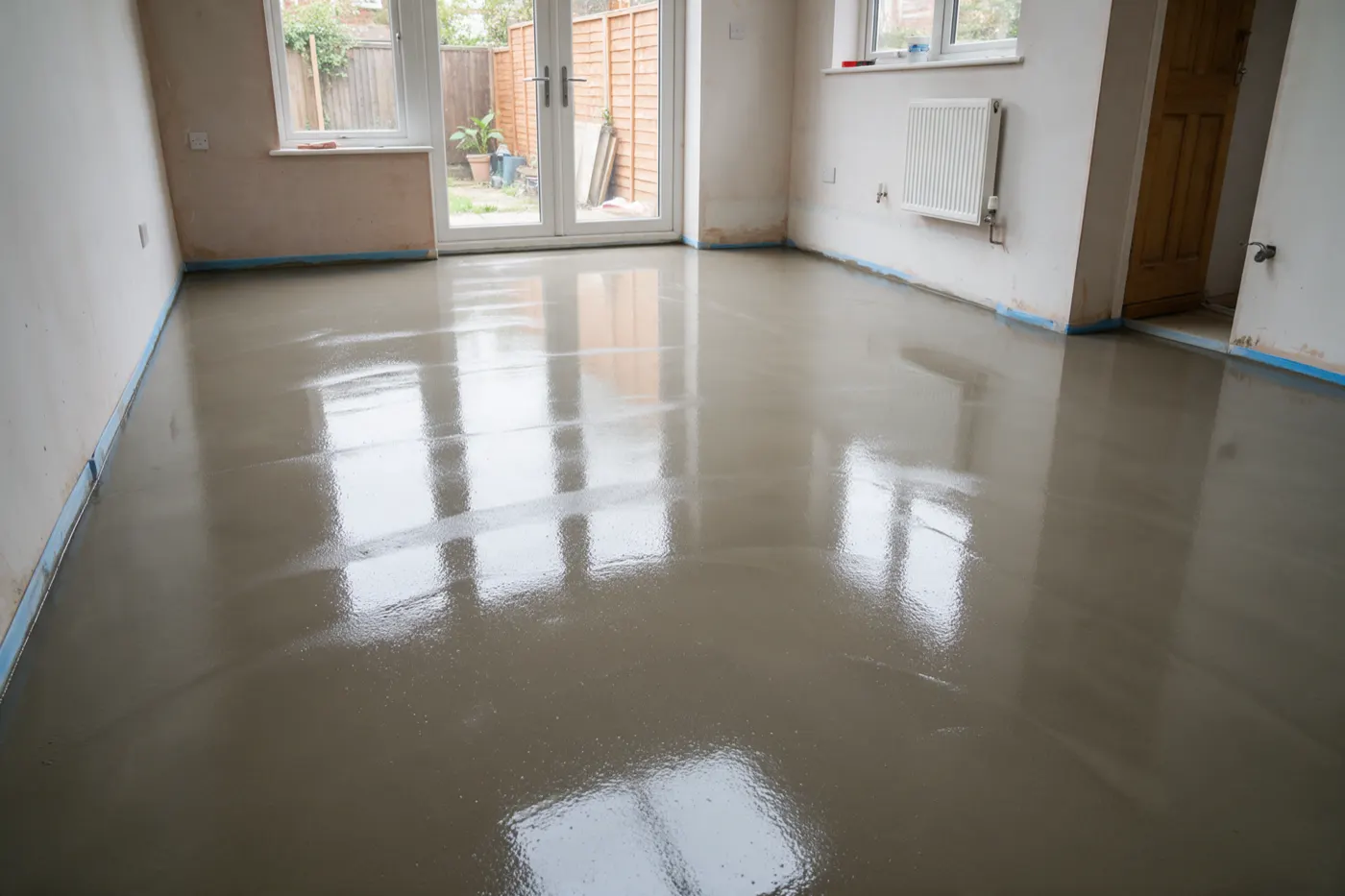
LVT is warmer underfoot than stone or ceramic tiles, Karndean points out. If you're having a new screed laid over the pipes, it has to dry properly before either floor goes down.
Wear, scratches and repairs
Laminate's strength is its hard melamine top layer. LVT is more flexible, so look after it the way Karndean asks: felt pads under chair and table legs, castors for heavy appliances, and never drag furniture across it.
Light scratches on LVT can be improved with the maker's cleaning products; for a deep scratch, Karndean's advice is to have the damaged plank replaced. We'd keep a few spare planks from the same batch, whichever floor you choose.
Cleaning: LVT takes a damp mop and a pH-neutral cleaner, but Karndean says no steam mops and no bleach. Laminate should be mopped with very little water.
Fitting: DIY or a fitter?
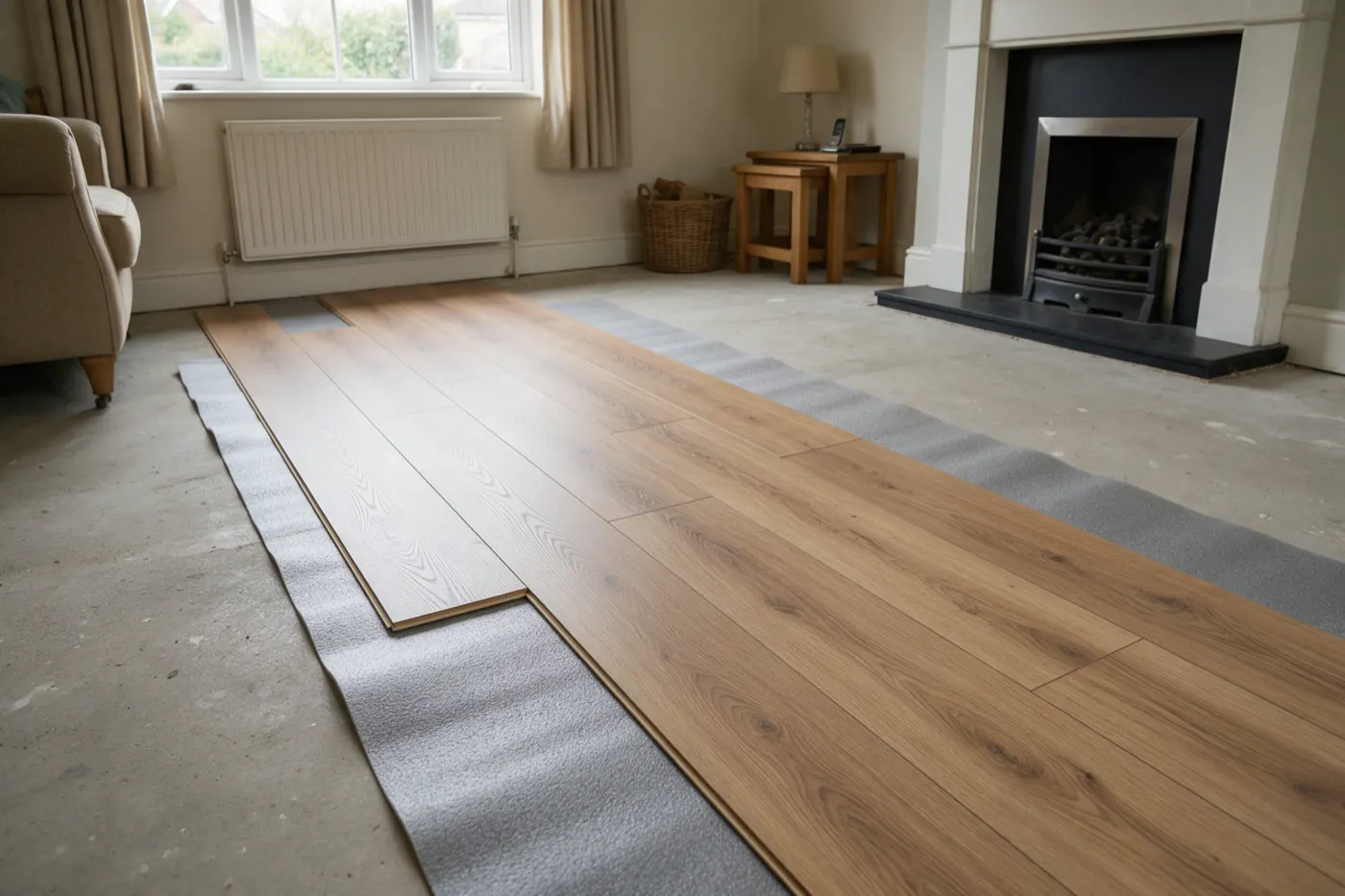
Click laminate is the floor most people try themselves: it floats on an underlay rather than being stuck down, and Quick-Step says it needs expansion gaps between rooms because it moves with the humidity. Click LVT floats in a similar way.
Glue-down LVT is a fitter's job. It's stuck straight to the subfloor, so every bump and dip shows through, and the floor usually needs preparing (often levelling) first. Karndean strongly discourages DIY installation unless you're an experienced luxury vinyl fitter, and asks for the planks to acclimatise in the room at 18 to 26°C for at least 24 hours before laying.
Which we'd choose, room by room
- Bathroom or en-suite: LVT (or tiles). Not standard laminate.
- Wet room: neither. Tiles or a floor made for wet rooms.
- Kitchen and utility: LVT, or a water-resistant laminate sealed as the maker says.
- Hallway: either; LVT if it takes wet boots and a dog.
- Living room and bedrooms: laminate is the budget choice; LVT if you want the same floor running through from the kitchen.
- Over underfloor heating: either, within the 27°C surface limit.
What it costs
Prices, what moves them and who to hire, in our cost guides.
Free, no obligation. We're paid by MyJobQuote when a tradesperson buys your job, never by you.
Frequently asked questions
What are the disadvantages of LVT flooring?
It's usually dearer than laminate, glue-down LVT needs a smooth, well-prepared subfloor and a skilled fitter, and Karndean says no steam mops. It isn't suitable for wet rooms.
Is LVT better quality than laminate?
Not better, different. LVT copes with surface water and suits kitchens and bathrooms; laminate has a very hard-wearing melamine top layer and is usually cheaper. Quality varies within both, so compare ranges and their guarantees.
Can you mop LVT flooring?
Yes, with a damp mop and a pH-neutral cleaner. Karndean says not to use a steam mop or bleach-based cleaners.
Is LVT cheap looking?
Not the better ranges: they're designed to copy the grain and texture of real wood and stone, in planks and tiles you can lay in patterns. Order full-size samples and look at them in your own light before you choose.
Can laminate go in a bathroom?
Standard laminate, no. Quick-Step says only its water-repellent HydroSeal range, sealed with its waterproof kit, is suitable for a bathroom, and some regulations don't allow floating floors in wet rooms.
Can you put LVT or laminate over underfloor heating?
Yes, both, as long as the floor's surface temperature stays at or below 27°C. Use the underlay the maker specifies.
How we checked this7 sourcesView sourcesHide
Rules come from the legislation and official guidance, read at source, and are linked where the guide states them. Practical advice comes from makers', trade bodies' and official guidance; where sources disagreed, we've said so. Prices aren't in our guides: they're on the cost pages linked above, each with its own sources. More on our method.
- IndustryFrequently asked questions, Karndean Designflooring. Checked 19 Oct 2026.
- IndustryWhat is a laminate floor? Durable and layered, Quick-Step. Checked 19 Oct 2026.
- IndustryCan I combine laminate and underfloor heating or cooling?, Quick-Step. Checked 19 Oct 2026.
- IndustryCan you use laminate flooring in a bathroom?, Quick-Step. Checked 19 Oct 2026.
- IndustryHow should I deal with spilled water on my laminate floor?, Quick-Step. Checked 19 Oct 2026.
- IndustryDo I really need expansion gaps between every room?, Quick-Step. Checked 19 Oct 2026.
- IndustryHow to lay Karndean flooring (published 14 August 2025), Tapi. Checked 19 Oct 2026.