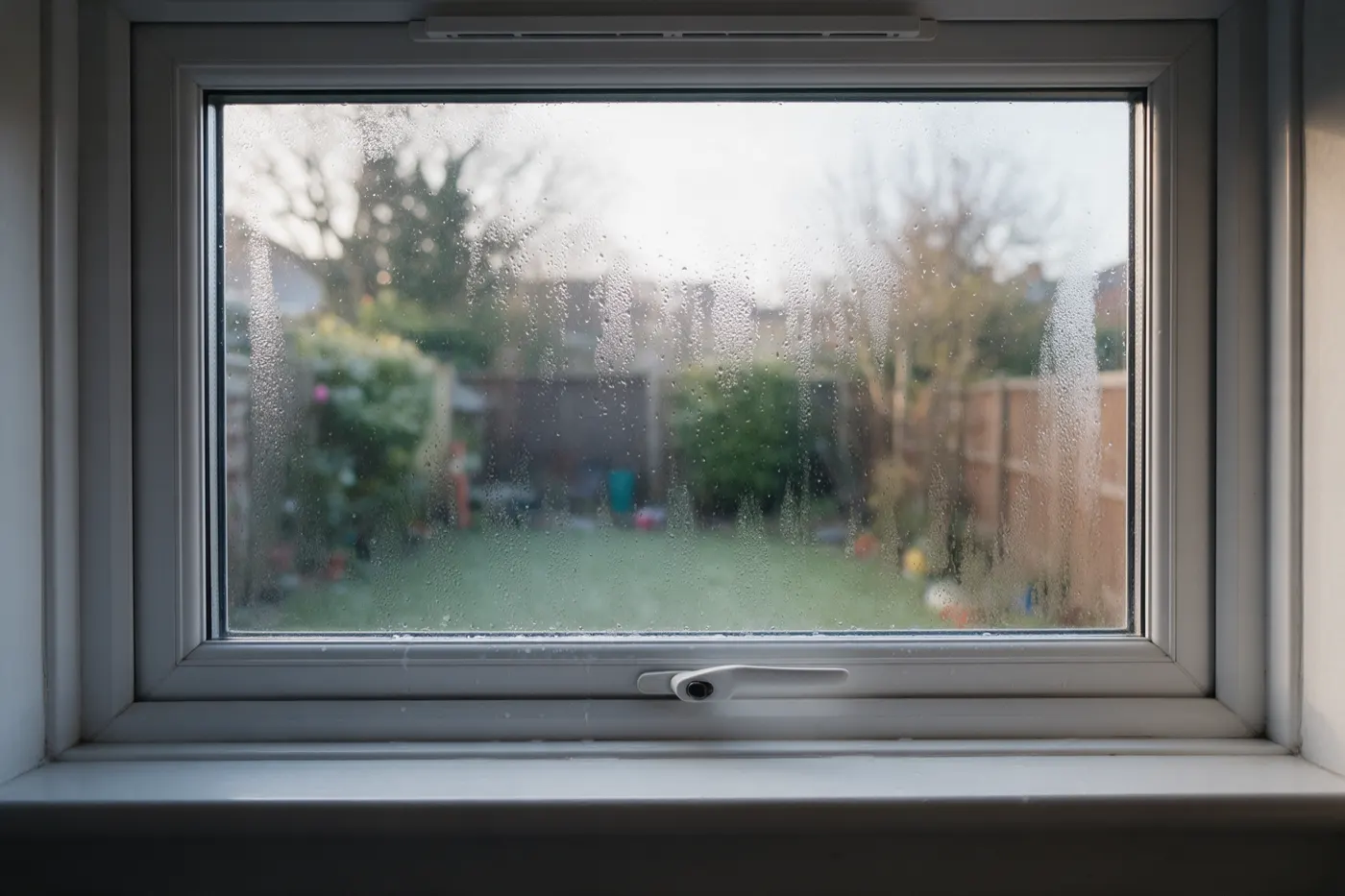
The Short Answer
Mist between the two panes of a double-glazed window means the sealed unit has failed: its seal is letting air into the gap. It won't clear for good on its own, and you can't wipe it away.
- Check your guarantee first. A good double glazing guarantee covers the glass for years, and a failed unit is what it's there for.
- Replace the sealed unit, not the window, if the frame is sound. A glazier fits a new unit in the old frame.
- Skip the quick fixes. A hair dryer won't mend the seal, and drilling the glass to demist it is likely to be short-lived.
It isn't urgent: the window works, just less well. But don't let a guarantee run out while you wait.
Is it really between the panes?
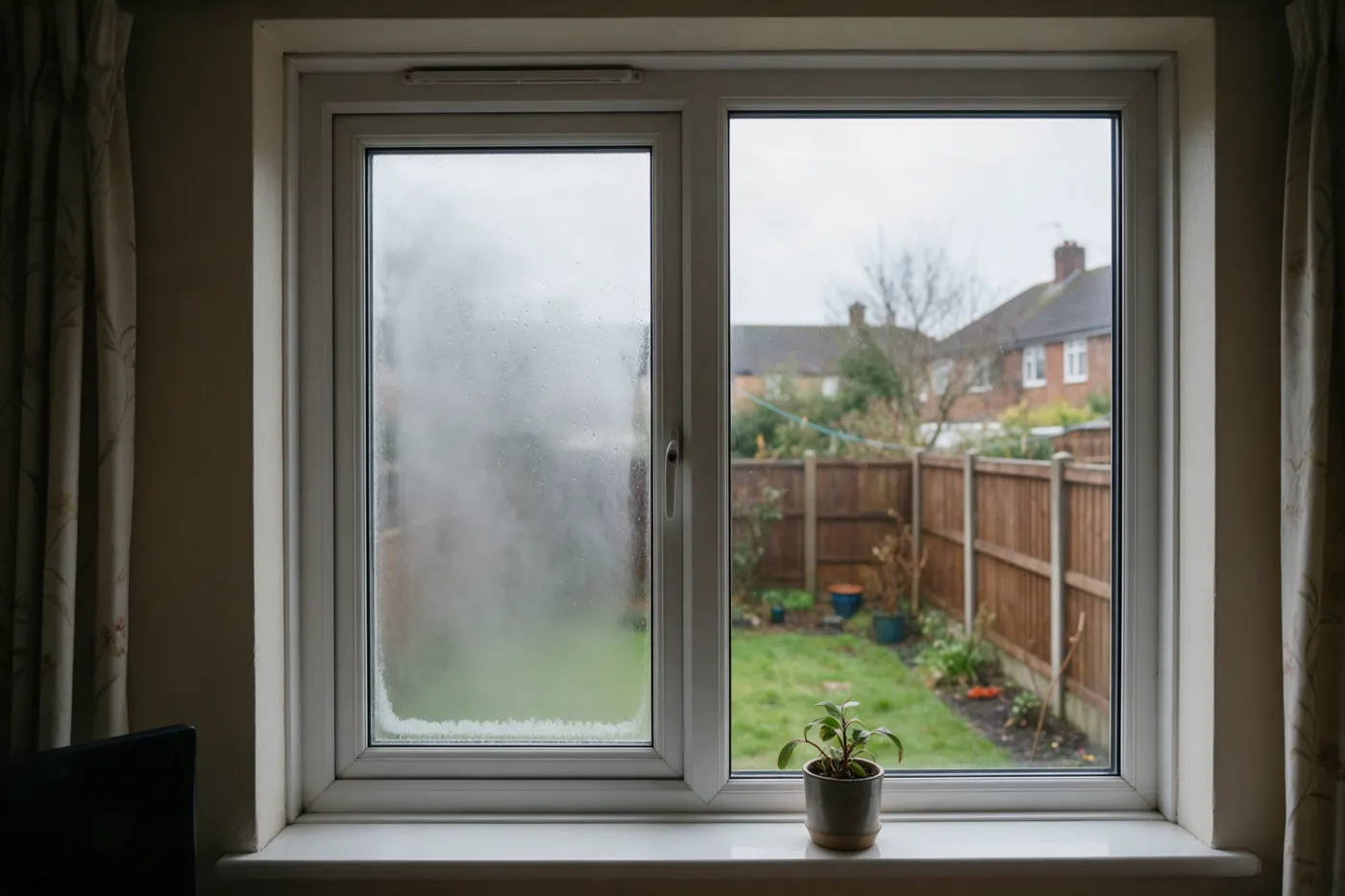
Condensation can form in three places on a double-glazed window, and only one of them is a fault:
- On the room side: it wipes off from inside. That's moisture in the room and not enough ventilation, not a broken window.
- On the outside: it wipes off from outside, and it clears as the day warms up. That's a sign the glass is keeping the heat in well.
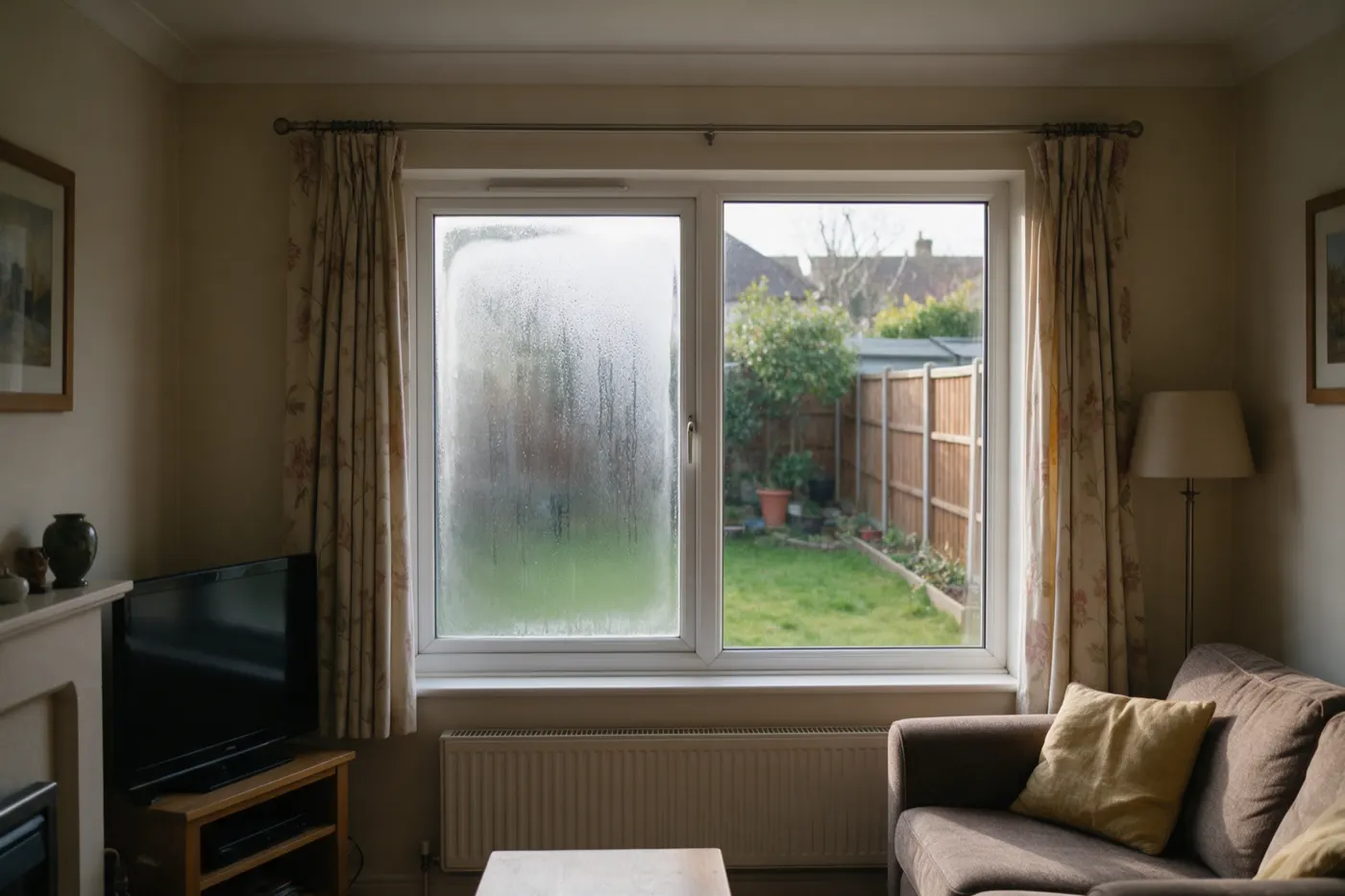
- Between the panes: it won't wipe off from either side. The Glass and Glazing Federation is clear that condensation won't form inside a sealed unit that's working properly, so mist in the gap means the unit has failed.
Why it happens
A double-glazed unit is two panes of glass held apart by a spacer, with the gap between them filled with air or an inert gas such as argon, and sealed round the edge. While the seal holds, the gap stays dry. Once it fails, the unit lets air in, moisture with it, and the window insulates less well.
Window seals can fail from:
- weather: rot, warping or swelling in very damp conditions or extreme temperatures;
- condensation that builds up on the window over time, where mould can form and damage the seals;
- cleaning the windows with a pressure washer, which can weaken them.
Age plays its part too: double glazing lasts about 20 to 35 years if it's good quality, well fitted and looked after. If a unit has failed within the first couple of years, Which? says it may be down to a mistake in making or fitting it, which is one more reason to go back to the installer.
Can you fix it yourself?
- A hair dryer: no. Warming the glass doesn't mend the seal, so air and moisture keep getting into the gap.
- Cleaning between the panes: you can't get in there without breaking the seal, which is the problem in the first place.
- Resealing it yourself: not on a sealed unit. Which? says seal and glass repairs are jobs for a professional installer.
What you can do yourself is everything around it: check whether it's still under guarantee, find the paperwork, and count how many units have misted (below).
Demisting or a new unit?
Some companies offer to demist a unit: they drill a small hole in the glass, draw the moisture out and plug the hole. It's cheaper than a new unit, but Which? warns that, even when it works, it's likely to be a short-term fix, and the plug often comes loose again in 6 months.
What we'd do: replace the unit. A new sealed unit is the only fix that puts back a properly sealed gap, gas filling and all, and it comes with its own guarantee. We'd only consider demisting for a pane you don't mind redoing later, and only after asking the company what it guarantees and for how long.
Check your guarantee first
Before you pay anyone, find out whether yours are still covered. When Which? asked nine of its Trusted Trader installers what a good warranty looks like, they said glass should be covered for 5 to 10 years, frames for 10, with a 10-year insurance-backed guarantee that still pays out if the installer stops trading.
- Find the paperwork: the guarantee from the company that fitted the windows, and the FENSA certificate (or one from another competent person scheme). FENSA says certificates issued after 6 June 2014 confirm the installer's warranty is insured.
- Lost it? You can search for your FENSA certificate by address and order a copy, for a fee. Your house purchase documents may include it too.
- Contact the installer in writing, even if you ring first, with photos of each misted unit. Which? says to keep as much as possible in writing.
Even outside the guarantee, the Consumer Rights Act 2015 says the materials must be of satisfactory quality and the work done with reasonable care and skill. If the installer won't help, schemes such as FENSA have complaints processes, and the Glass and Glazing Federation offers free conciliation if the company is a member.
What to do, in order
- Check it's between the panes (wipe both sides) and that it isn't secondary glazing.
- Check the guarantee and contact the installer if you're covered.
- Count every misted unit in the house, including any just starting to cloud at the edges. Much of the price of a single unit is the glazier's visit, so having them all done at once costs much less per pane.
- Get quotes for new sealed units, with the questions below. Prices are on misted double glazing repair costs.
What to ask the glazier
- Low-E glass? It reflects heat back into the room, and the Energy Saving Trust calls it the most efficient kind. A new unit is the chance to upgrade.
- Warm edge spacers? The spacers that hold the panes apart: more efficient windows generally have ones with little or no metal.
- The right glass for the spot: obscure glass to match in a bathroom, and safety glass where the rules require it, such as low down and in or beside doors.
- What's the guarantee on the new unit, and is it insurance-backed?
- Does the price include measuring, fitting and taking the old unit away?
One unit or new windows?
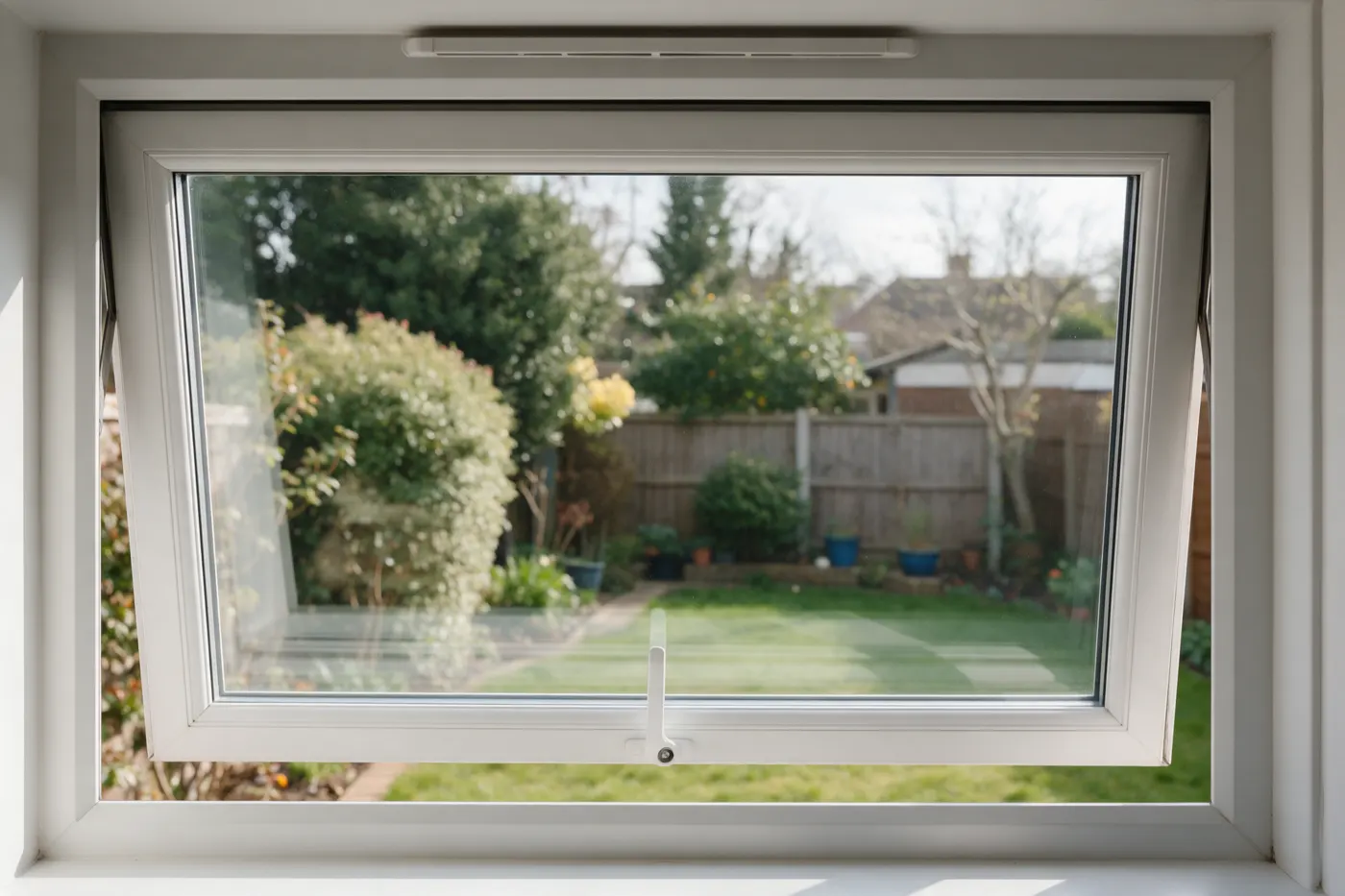
- One or two misted units in sound frames: replace the units. The Energy Saving Trust says you can replace the glass rather than the whole window.
- Units misting all over the house, and the frames showing their age: price new windows too. Draughts, discolouration and windows that are hard to open and close are the Energy Saving Trust's other signs it may be time.
- Under guarantee: neither. Claim it.
For what new double glazing costs and how long it lasts, see double glazing costs.
What it costs
Prices, what moves them and who to hire, in our cost guides.
Free, no obligation.
Frequently asked questions
Will condensation between window panes go away?
Not for good. It means the seal on the unit has failed and is letting air and moisture into the gap, so it keeps coming back. The fix is a new sealed unit.
Can condensation between double glazing be fixed?
Yes, by replacing the sealed unit in the existing frame, usually without a new window. Demisting by drilling the glass is cheaper, but Which? says it's likely to be a short-term fix.
Will a hair dryer get rid of condensation between glass panes?
No. Warming the glass doesn't repair the seal, so air and moisture keep getting into the gap.
Can double glazed windows be resealed?
Which? says the seals (gaskets) round a window can sometimes be replaced on their own, but that won't clear mist inside the glass. For that, a glazier fits a new sealed unit in the same frame, which also restores the gas in the gap.
Is misted double glazing covered by the guarantee?
Often, if it's within the glass guarantee: Which?'s Trusted Traders say a good one covers glass for 5 to 10 years, backed by an insurance-backed guarantee. Contact the installer in writing first.
How long should double glazing last before it mists up?
The Energy Saving Trust says double glazing lasts 20 to 35 years if it's good quality, well fitted and maintained. A unit that mists in the first couple of years may have been made or fitted badly, Which? says.
Do I need new windows if there's condensation between the panes?
Usually not. If the frame is sound, replacing just the sealed unit is much cheaper. New windows make sense when lots of units are failing and the frames are worn too.
How we checked this7 sources · 1 officialView sourcesHide
Rules come from the legislation and official guidance, read at source, and are linked where the guide states them. Practical advice comes from makers', trade bodies' and official guidance; where sources disagreed, we've said so. Prices aren't in our guides: they're on the cost pages linked above, each with its own sources. More on our method.
- IndustryEnergy efficient windows and doors (updated 20 May 2026), Energy Saving Trust. Checked 26 Oct 2026.
- IndustryCondensation: consumer guide (April 2025), Glass and Glazing Federation. Checked 26 Oct 2026.
- OfficialApproved Document K: Protection from falling, collision and impact (2013 edition), Section 1 (stairs) and Section 5 (glazing), GOV.UK. Checked 15 Oct 2026.
- IndustryDouble glazing repairs and maintenance (16 September 2026), Which?. Checked 26 Oct 2026.
- IndustryYour rights when buying double glazing (16 September 2026), Which?. Checked 26 Oct 2026.
- IndustryWhy you should always ask for a FENSA certificate, FENSA. Checked 26 Oct 2026.
- IndustryFind and order your FENSA certificate, FENSA. Checked 26 Oct 2026.