The Short Answer
If your house was built before about 1919, it was almost certainly built with lime mortar, and it should normally be repointed with lime. Cement mortar is harder and less permeable than old bricks and stones, so it traps moisture in them and they decay faster.
- Lime pointing is softer, lighter in colour and more open-textured. It wears away slowly, which is its job: it's meant to wear instead of the bricks.
- Cement pointing is very hard, smooth and dull grey. On an old wall it tends to crack, drop out in short sections or stand proud of decaying bricks.
Most old houses need only patches repointing, not the whole house. A modern house built with cement mortar is different: match what's there.
Why old walls need lime
Pointing does two jobs: it keeps rain out of the wall, and lets moisture already in the wall escape once the weather dries up. The easiest way out for that moisture is through permeable mortar joints.
That's why Historic England's key principle is that the mortar should be slightly weaker and more permeable than the brick or stone. Most cement mortars are the opposite. Moisture can't get out through the joints, so it moves through the bricks or stones instead, and they suffer the frost damage and salt damage the joints should have taken. A mortar harder than the masonry can also crack and damage it.
Put simply, buildings from after about 1919 rely on cement to seal the walls, while older walls built with lime were meant to "breathe". Lime also copes better with small movements, which matters on old houses with shallow foundations, and minor cracks in lime mortar heal themselves.
How to tell lime from cement pointing
How to spot cement pointing on an old wall:
- Colour and feel. Cement-rich mortar is typically very hard, smooth and dull grey. Lime mortar is weaker, more open-textured and lighter in colour, and may have bits of chalk in it.
- The shape of the joint. Cement is often finished at an angle (weather-struck), scooped out (bucket-handle) or sticking out from the wall (ribbon pointing), and smeared thinly onto the edges of the bricks.
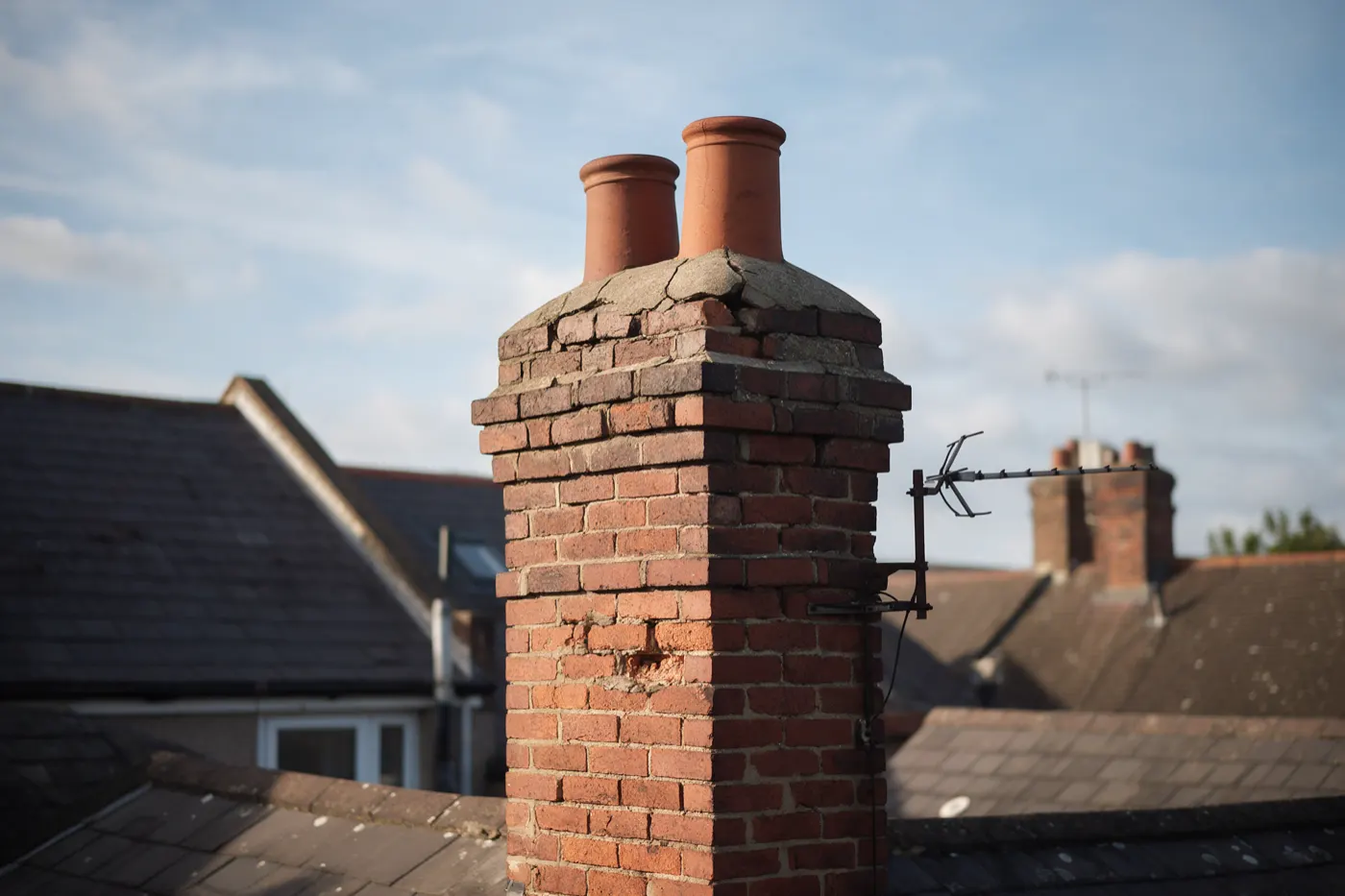
- How it fails. Lime wears back gradually. Cement cracks and drops out in short sections, or is left standing proud of bricks that are crumbling around it.
To see what your house was built with, look for old, sound pointing in sheltered spots: under the eaves or behind downpipes, especially on north and east walls. In a house built before the early 20th century, it will almost certainly be lime. Make sure it isn't a later repair you're copying.
Does it need repointing at all?
Probably less than you think. Repointing a whole building is rarely necessary: usually only the most exposed parts, low areas affected by damp, or spots under a leaking gutter or pipe. Fix the leak first, or the new pointing will fail too.
Historic England gives three reasons to repoint:
- the mortar is crumbling or loose;
- the joints have worn back so far that the edges of the bricks form a ledge that lets water in;
- hard cement pointing has been used and is trapping moisture.
Don't repoint until the mortar has worn back as deep as the joint is wide, or is very loose. Soft mortar alone isn't a reason: lime is meant to feel softer than cement. And if old mortar takes a lot of effort to dig out, it probably doesn't need replacing.
If your old house has cement pointing
Cement pointing on old walls is a common mistake, but that doesn't mean ripping it all out. Taking it out can damage the bricks more than leaving it, so try a small area first, then be pragmatic:
- Where it's holding well and there's no damp, it's probably best left to age. Weather often loosens it over time.
- Where the bricks around it are decaying, take out those areas and repoint them in lime.
The method matters. Angle grinders aren't the tool for removing pointing: they don't clear the joint fully and easily damage the face of the bricks. Hard cement is cut out by hand with chisels, sometimes after a careful cut down the middle of a wide joint, and power tools belong only in highly experienced hands.
How lime repointing is done
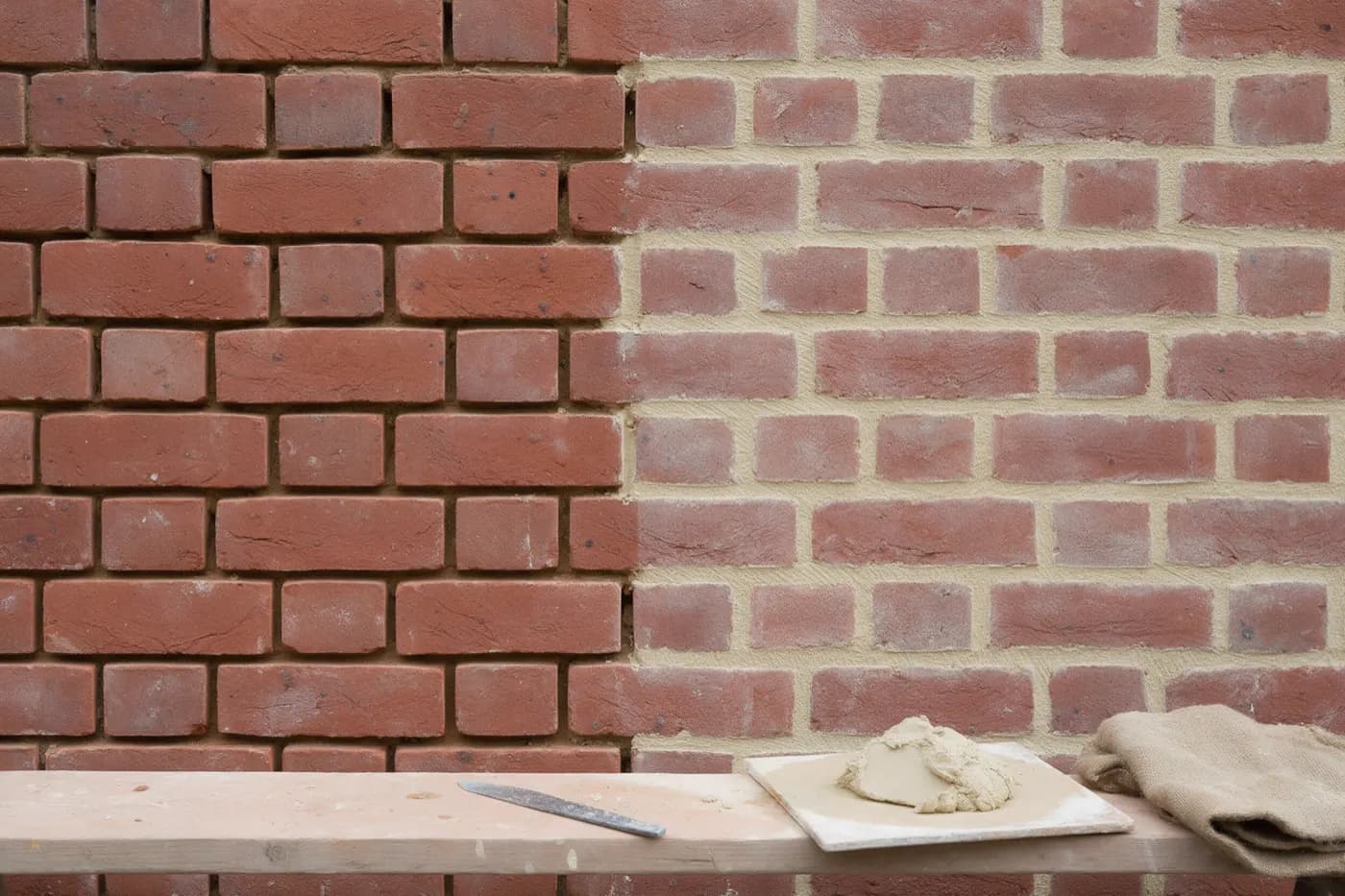
This is how it should be done, and what to expect from whoever does it:
- Rake out by hand with hooked tools or chisels, to at least twice the height of the joint and square at the back. Brush or vacuum out the dust and rinse the joints.
- Wet the wall with a hose spray or pump sprayer, so the bricks don't suck the water out of the mortar. The joint should be damp, not wet.
- Pack the mortar in firmly with a pointing iron narrower than the joint, from the back, in layers of about 25mm, and leave it slightly proud to allow for shrinkage. Sponge off any smears with clean water before they dry.
- Finish it at the right moment: when it's firm enough to mark with a thumbnail but a thumb leaves barely any impression. A flush or nearly flush finish usually suits an old wall; brushing it exposes the sand and gives a weathered look.
- Protect it while it cures from sun, wind, rain and frost, with damp hessian, blankets or carpet underlay and a mist spray to keep it damp. Allow at least a week, and longer in extreme weather or autumn.
Timing matters. A high proportion of failures come from ignoring the weather. Avoid very cold, very hot or very windy days, and do the work in spring, summer or early autumn if you can.
Which lime mortar
There are two main kinds of lime:
- Non-hydraulic lime (lime putty, or powdered hydrated lime) is the most permeable and sets very slowly by reacting with the air. It suits sheltered walls and soft bricks, and needs the most aftercare.
- Natural hydraulic lime (NHL, sold as NHL 2, 3.5 and 5) sets partly by reacting with water, so it sets faster and ends up stronger and less permeable. It suits very exposed or permanently wet spots.
The right mix depends on the bricks or stone, their condition and how exposed the wall is. Parapets and chimney stacks usually need stronger mixes than sheltered walls, and soft or decayed masonry needs a weaker one. The aim is to match the old mortar's colour, texture and strength, and samples and a trial panel before the main job are well worth it.
Two traps: don't add cement to lime mortar, as there's now a wide range of limes to choose from instead, and don't confuse "hydrated" with "hydraulic", which often happens at builders' merchants. They aren't the same thing.
Can you do it yourself?
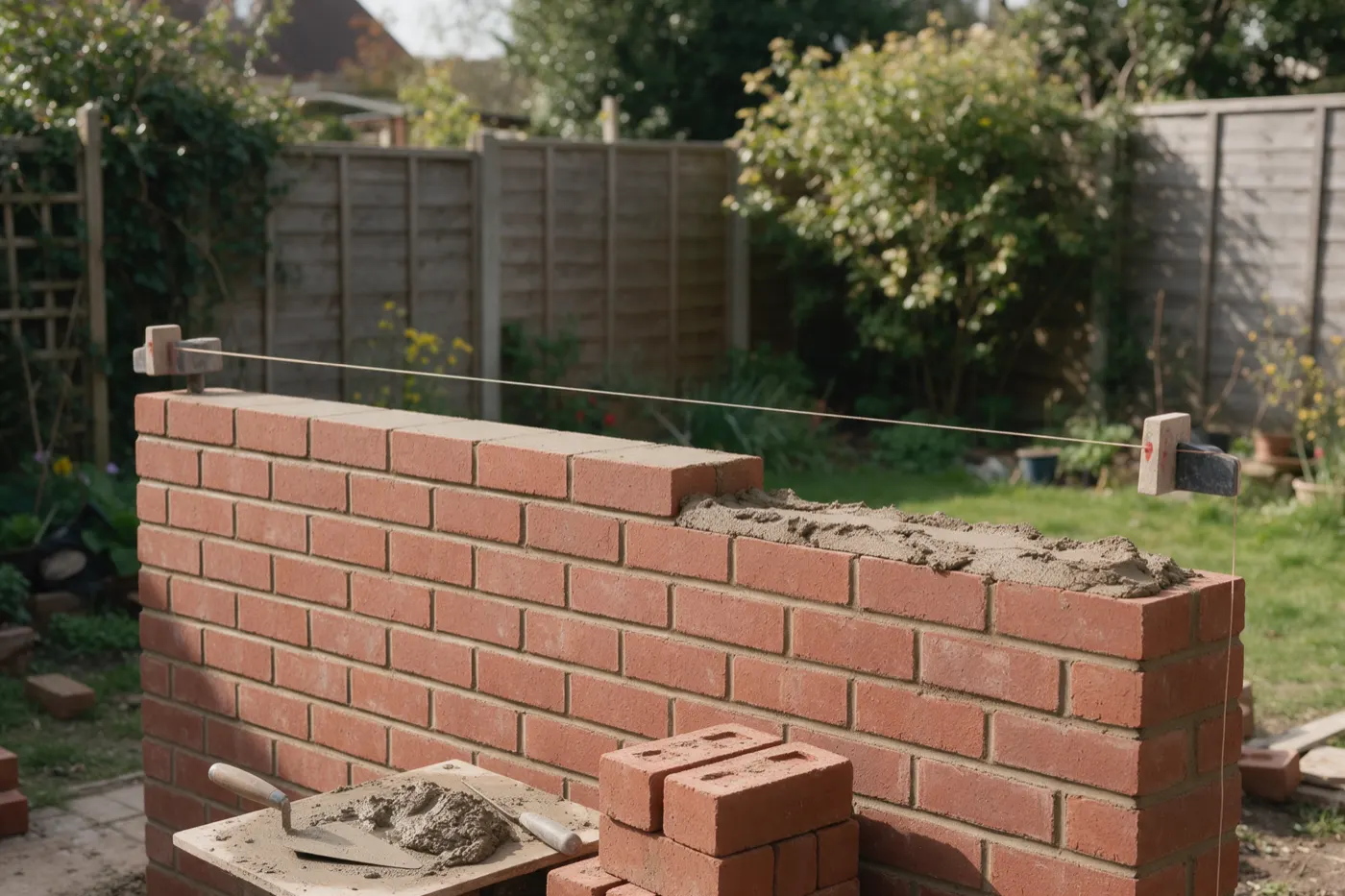
Lime repointing is generally a job for an experienced contractor, but practically minded homeowners can master it with training. Lime behaves very differently from cement, so get some training first. A low garden wall is a sensible place to learn.
Wear gloves, eye protection and a mask: lime can cause severe irritation to skin and eyes, and the powder irritates the lungs.
If you're paying someone, ask about their experience with lime specifically; see what repointing costs in lime and cement. Most wall repairs involve some repointing and possibly replacing some bricks; if bricks have crumbled next to old cement pointing, that's bricklaying work.
Listed buildings and conservation areas
Historic England says listed buildings usually need consent before any repointing, and a sample of the proposed pointing may need agreeing first. Work in a conservation area may need consent too, depending on local controls. Contact your council well before the work is due to start.
What it costs
Prices, what moves them and who to hire, in our cost guides.
Free, no obligation.
Frequently asked questions
Should I repoint my house with lime mortar?
If it was built before about 1919, almost certainly yes: the mortar should be weaker and more permeable than the bricks. On a modern house built in cement mortar, match what's there.
What's the difference between lime mortar and cement?
Lime mortar is softer and more permeable, so moisture escapes through the joints and the mortar wears instead of the bricks. Cement mortar is harder and seals the joints, which on an old wall pushes moisture and frost damage into the bricks or stones.
How can I tell if my pointing is lime or cement?
Cement is typically very hard, smooth and dull grey, often with an angled, scooped or protruding joint. Lime is lighter in colour, softer and more open-textured, and wears back gradually rather than cracking out in pieces.
Should I remove cement pointing from an old house?
Not all of it automatically. Try a small area first: where cement is holding and there's no damp, leave it to age; where the bricks around it are decaying, cut those areas out by hand and repoint in lime.
Can I repoint with lime mortar myself?
Practically minded homeowners can master it with training, though it's generally a job for an experienced contractor. Wear gloves, goggles and a mask, as lime irritates skin, eyes and lungs.
When is the best time of year for lime repointing?
Spring, summer or early autumn, avoiding very cold, hot or windy days. Protect new work from sun, wind, rain and frost for at least a week while it cures.
Does the whole house need repointing?
Rarely. Usually only the most exposed areas or spots under leaking gutters and pipes need it, and sound old mortar should be left alone, even if it feels soft.
How we checked this4 sources · 2 officialView sourcesHide
Rules come from the legislation and official guidance, read at source, and are linked where the guide states them. Practical advice comes from makers', trade bodies' and official guidance; where sources disagreed, we've said so. Prices aren't in our guides: they're on the cost pages linked above, each with its own sources. More on our method.
- OfficialRepointing Brick and Stone Walls: Guidelines for Best Practice (HEAG144, 2017), Historic England. Checked 25 Oct 2026.
- OfficialRepairing walls of an older home, Historic England. Checked 15 Oct 2026.
- IndustryRepointing, SPAB (Society for the Protection of Ancient Buildings). Checked 25 Oct 2026.
- IndustryInappropriate cement pointing, SPAB (Society for the Protection of Ancient Buildings). Checked 25 Oct 2026.