The Short Answer
There are two government grants for a home EV charger, and both pay 75% of the cost of buying and installing the charger, up to £500:
- The grant for renters and flat owners: if you rent your home, or own and live in a flat, and have your own private off-street parking.
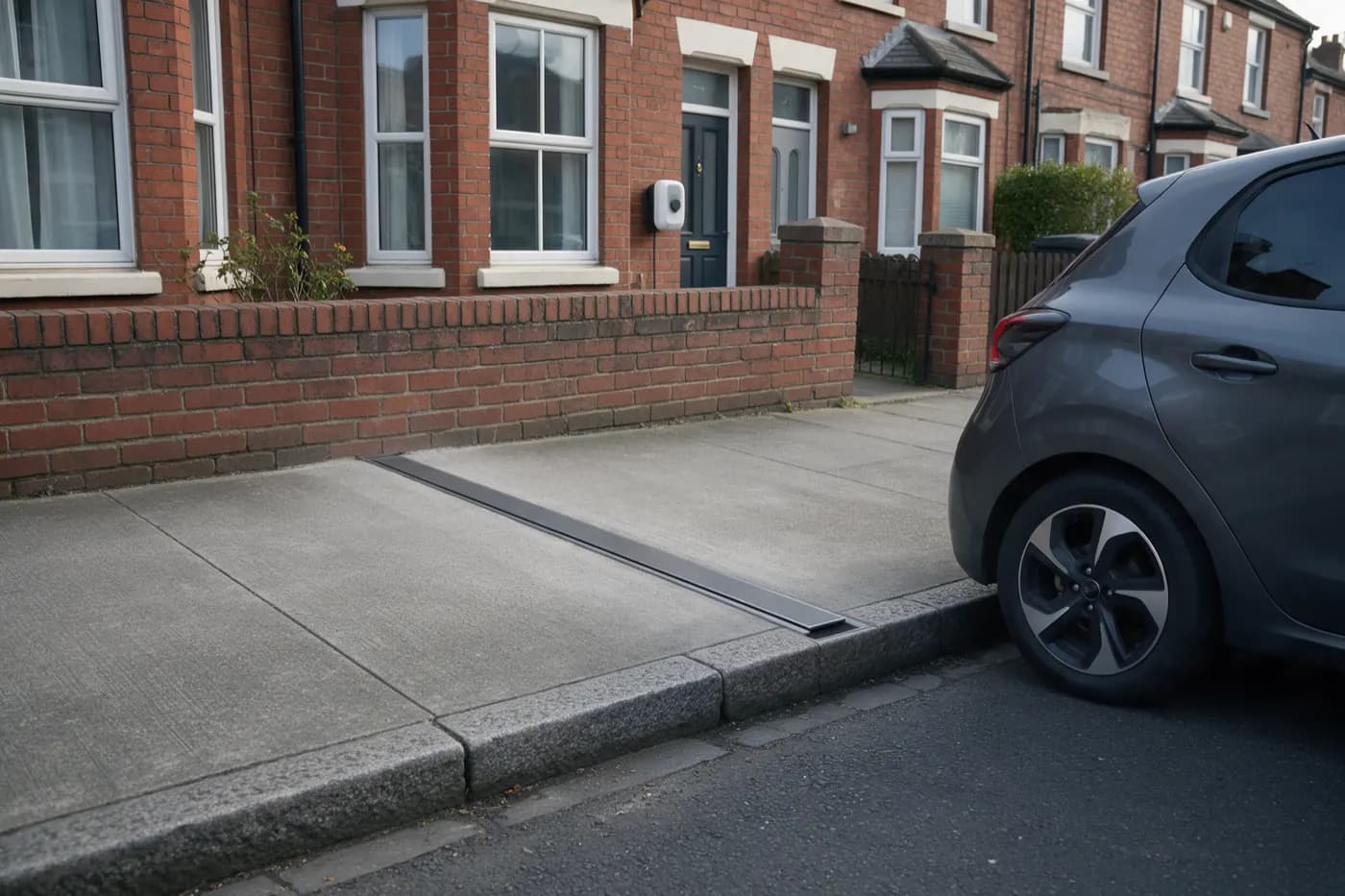
- The grant for households with on-street parking: if you own or rent your home, have no off-street parking, and fit the charger with a permanent cross-pavement channel your local highways authority has approved.
If you own a house with a driveway, you can't get either. Both are funded until 31 March 2027, and neither can be claimed for a charger that's already fitted, so apply first.
You could get the renters and flat owners grant.
It pays 75% of buying and installing the charger, up to £500. Your parking space must be private, clearly defined, available to you at all times and yours or one you have a legal right to, and you'll need written permission from your landlord, freeholder or property manager to fit the charger.
The grants are funded until 31 March 2027, and the government can change or end them. A "could" here isn't a promise: OZEV checks every application before work starts.
The two home grants
Both are run by the Office for Zero Emission Vehicles (OZEV). The GOV.UK guidance says the home and workplace grants have been extended for a final year, until 31 March 2027. On 1 April 2026 the maximum rose from £350 to £500 per socket, and a household can claim for one socket.
- Renters and flat owners: 75% off buying and installing a chargepoint socket, up to £500, for a home with its own off-street parking.
- Households with on-street parking: the same 75% up to £500, for homes with no off-street parking that fit a cross-pavement charging solution, such as a cable channel or gully.
Who can get the renters and flat owners grant
GOV.UK says you can apply if all of these apply:
- you rent a residential property, or live in a flat you own (shared ownership counts);
- your home has its own private off-street parking space;
- you own or use an eligible electric vehicle.
You can't apply if:
- you live in a house you own, unless it's been converted into flats and you live in one of them;
- you're a lodger, renting from a landlord or homeowner who lives there;
- you're moving, or planning to;
- you've claimed it before, or its predecessors (the Electric Vehicle Homecharge Scheme and the Domestic Recharge Scheme);
- your home must have a chargepoint by law, for example a new build.
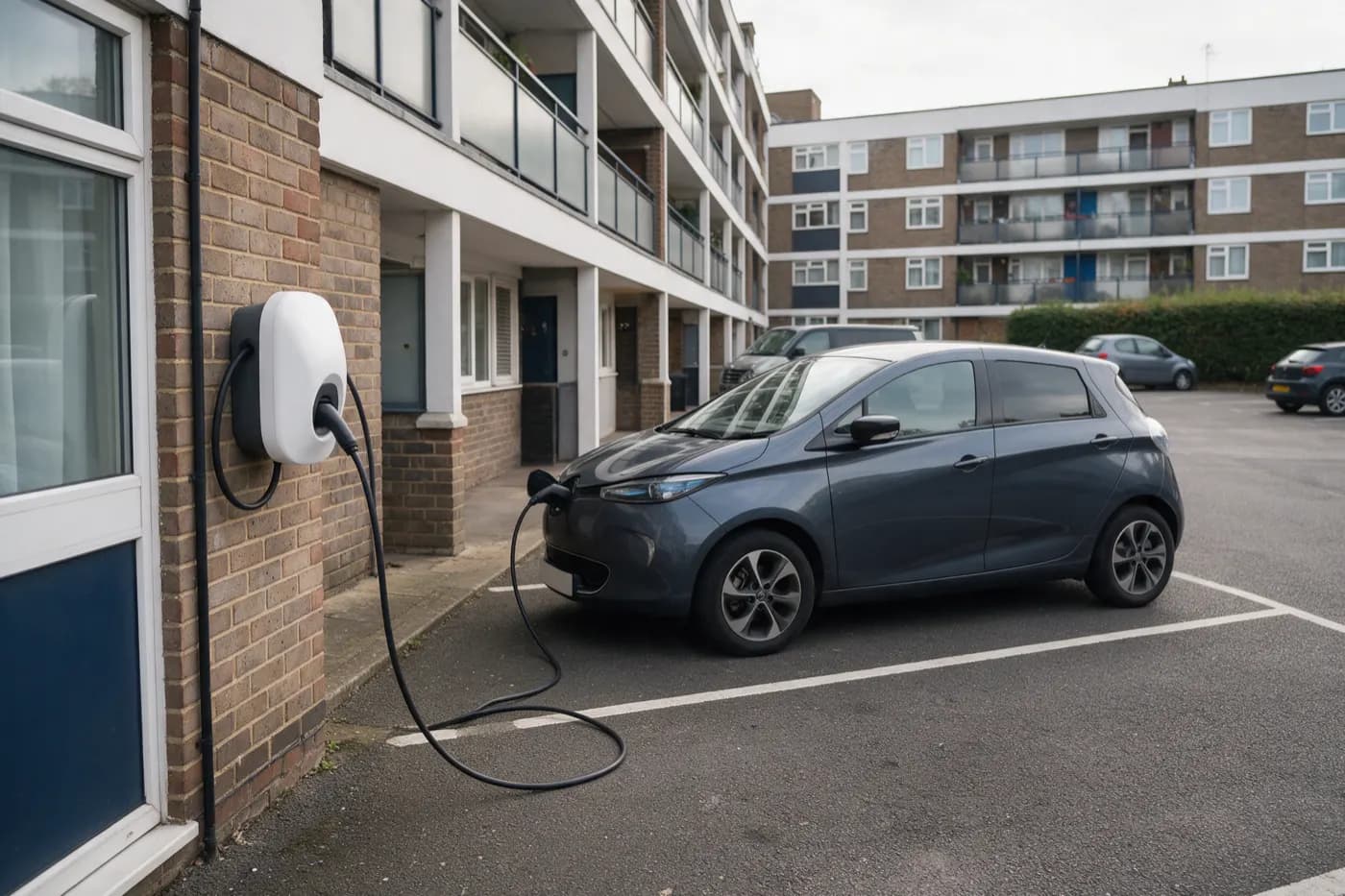
The parking space must be off-street, private and clearly marked out, available to you at all times, and yours or one you have a legal right to. It doesn't have to be part of the property, so an allocated space in a flats' car park can count, with written permission from the freeholder.
The car must be on OZEV's list of approved electric vehicles. You can own it, lease it for at least 6 months, have used it as a work vehicle for at least 6 months, or have one on order.
Who can get the on-street parking grant
The on-street grant is for homeowners and renters alike. You can apply if you:
- own or rent the home you live in;
- don't have private, exclusive off-street parking such as a driveway, garage or residential car park, but do have adequate on-street parking;
- are fitting a permanent cross-pavement solution with the charger: cable covers or mats laid over a cable don't count;
- have permission from your local highways authority for the cross-pavement solution, and will get planning permission if it's needed;
- own or are responsible for an eligible vehicle;
- haven't already fitted the charger, because the grant can't be backdated.
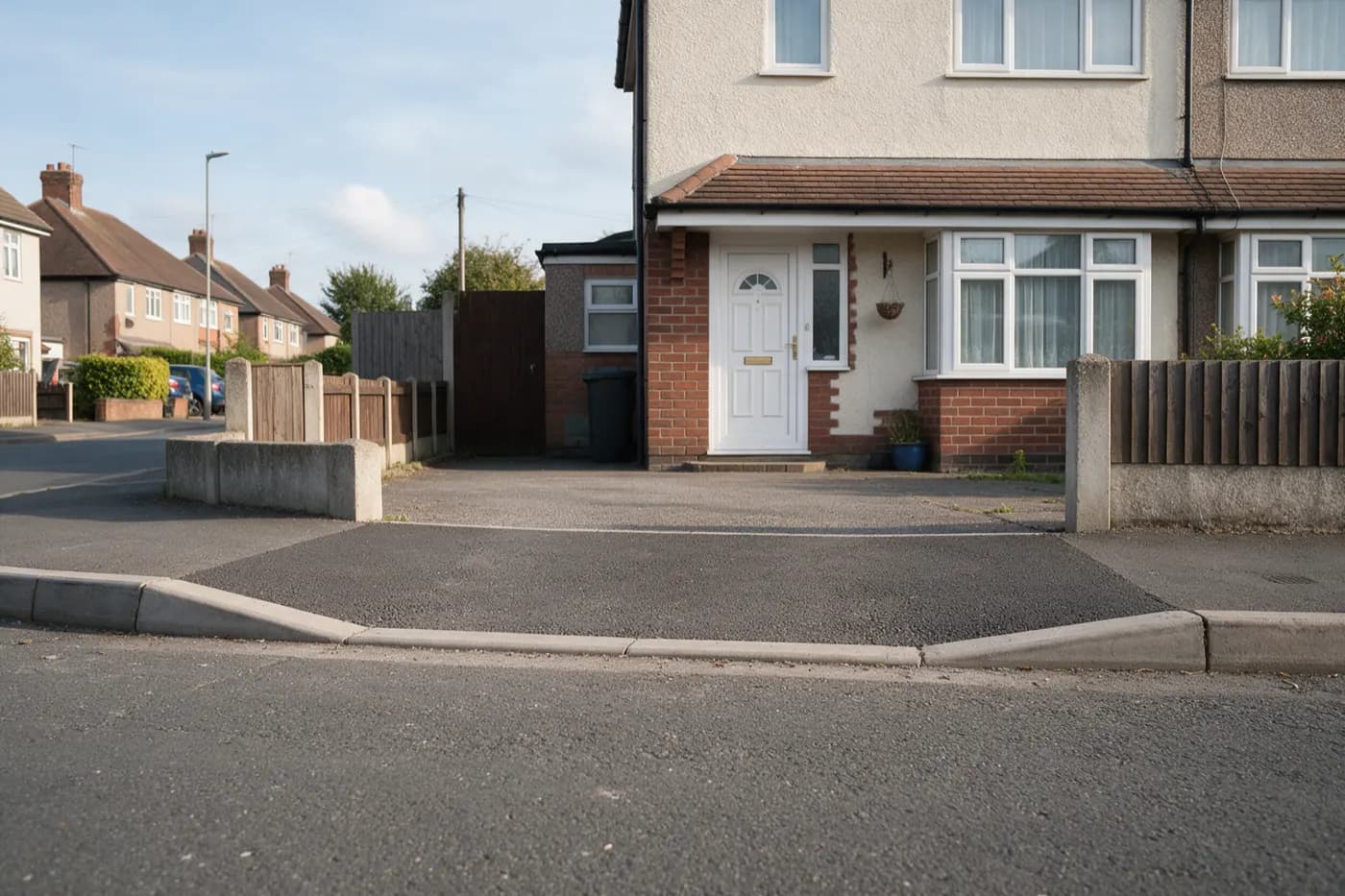
If you'd rather create your own parking, that's a dropped kerb and a driveway. But once you have private off-street parking you no longer qualify for the on-street grant, and as a homeowner you wouldn't qualify for the other one either.
How to apply
This is the process for the renters and flat owners grant, from GOV.UK:
- Check the car and charger. Your vehicle must be on OZEV's approved list, and the charger on its list of eligible models.
- Get a quote from an OZEV-authorised installer. It needs to be dated.
- Gather your documents:
- written permission from your landlord, freeholder or property manager;
- written permission from your council if you live in a listed building;
- a utility bill in your name at the address;
- your tenancy agreement if you rent.
- Apply online. OZEV moved applications to a new platform on 1 April 2026, reached from the "Start new application" button on the grant's guidance page.
- Wait for approval before any work starts. OZEV estimates up to 10 working days to assess an application, and says you must not have the charger fitted until it has told you you're eligible.
- Your installer fits it and claims the grant on your behalf, including photos of the charger and parking space. OZEV emails you to confirm, and pays the grant direct to the installer.
OZEV may audit your application or the installation, including a site visit, and can cancel your application if you don't allow it.
Scotland, Wales and Northern Ireland
Both OZEV grants cover the whole UK: GOV.UK says the property must be in the UK, and the on-street grant names England, Wales, Scotland and Northern Ireland. Homes in the Channel Islands and the Isle of Man can't apply.
Scotland has an extra grant. The domestic charge point grant, funded by Transport Scotland and run by the Energy Saving Trust, gives up to £400 towards a home charger if you live in a rural or remote area of Scotland (including the islands), have or will soon have an EV, and have a household income of £50,000 or less. It also has to be approved before work starts: a charger fitted before the grant offer letter isn't eligible.
Landlords and businesses
GOV.UK says landlords apply differently, through their own grant: the residential landlord chargepoint grant, up to £500 per socket and up to 200 sockets across their sites. It's open to private landlords, social housing providers, the public sector and managing agents acting for a landlord.
Businesses, charities and public bodies can use the Workplace Charging Scheme: up to £500 per socket, for up to 40 sockets.
How long the grants will last
OZEV describes this as a final year of funding, with the grants available until 31 March 2027. The government reserves the right to end or change them. If it does, OZEV says it will aim to give 4 weeks' notice, and will honour claims made before any announcement.
If you qualify and are thinking about a charger, we'd apply sooner rather than later. See what an EV charger costs to install to work out what you'd pay after the grant.
What it costs
Prices, what moves them and who to hire, in our cost guides.
Free, no obligation.
Frequently asked questions
Is there a government EV charger grant in 2026?
Yes. The grant for renters and flat owners and the grant for households with on-street parking each pay 75% of the cost of buying and installing a charger, up to £500. Both are funded until 31 March 2027.
Can homeowners get an EV charger grant?
Only in some cases. If you own a house with off-street parking, you can't. If you own a house with only on-street parking and fit an approved cross-pavement channel, the on-street grant can apply. If you own and live in a flat with off-street parking, the renters and flat owners grant can apply.
How much is the EV charger grant?
75% of the cost of buying and installing one chargepoint socket, up to a maximum of £500. It's paid to your installer, so you pay the rest.
Can I get the grant after the charger is fitted?
No. Neither grant can be backdated, so apply before the charger is installed. For the renters and flat owners grant, OZEV says to wait until it has confirmed you're eligible.
Do I need an OZEV-approved installer?
Yes. You need a dated quote from an OZEV-authorised installer, who fits the charger after approval and claims the grant for you.
Can I get the grant if I lease my car?
Yes, if the car is on OZEV's approved list and you lease it for at least 6 months. A car on order also counts.
Is there an EV charger grant in Scotland?
The UK grants apply in Scotland. On top of that, the Scottish domestic charge point grant gives up to £400 to people in rural or remote areas with a household income of £50,000 or less.
How we checked this7 sources · 7 officialView sourcesHide
Rules come from the legislation and official guidance, read at source, and are linked where the guide states them. Practical advice comes from makers', trade bodies' and official guidance; where sources disagreed, we've said so. Prices aren't in our guides: they're on the cost pages linked above, each with its own sources. More on our method.
- OfficialElectric vehicle chargepoint grants (updated 1 April 2026), GOV.UK (Office for Zero Emission Vehicles). Checked 26 Oct 2026.
- OfficialChanges to electric vehicle chargepoint grant schemes from 1 April 2026, GOV.UK. Checked 26 Oct 2026.
- OfficialElectric vehicle chargepoint grant for renters or flat owners, GOV.UK. Checked 26 Oct 2026.
- OfficialElectric vehicle chargepoint grant for renters or flat owners: eligibility, GOV.UK. Checked 26 Oct 2026.
- OfficialElectric vehicle chargepoint grant for renters or flat owners: apply, GOV.UK. Checked 26 Oct 2026.
- OfficialElectric Vehicle Chargepoint Grant for Households with On-Street Parking, GOV.UK Find a grant. Checked 26 Oct 2026.
- OfficialDomestic charge point funding (Scotland), Energy Saving Trust, for Transport Scotland. Checked 26 Oct 2026.