The Short Answer
Silverfish are small, silvery, wingless insects, about 12mm long, that come out at night in damp rooms, usually the bathroom or kitchen. They don't bite or spread disease. The worst they do is nibble starchy things: paper, wallpaper paste, glue and crumbs.
One now and then is nothing to worry about. Lots of them usually means damp, and drying the room out is the main way to get rid of them. If you're finding them in dry rooms too, and they look grey and hairy with long tails, you may have grey silverfish. They're harder to shift and usually need a pest controller.
A few in a bathroom or kitchen is common: no need to worry.
They're harmless to people and like the damp air in bathrooms and kitchens. Keep the room ventilated and check for leaks or condensation. If you start seeing them every night, that's the time to look harder for damp.
Silverfish don't bite or spread disease. If you're not sure what you've got, catch one on a sticky trap and show a pest controller.
What silverfish look like
The silverfish is a very primitive insect, one of a group called bristletails. It gets its name from its silvery scales and the way it wriggles like a fish when it runs. There are three you're likely to meet indoors:
- Common silverfish: about 12mm long, carrot or cigar-shaped and silver-grey, with two long antennae at the front and three long bristles at the tail. They're covered in tiny scales that rub off if you touch one. They move fast, especially when disturbed.
- Grey (long-tailed) silverfish: bigger, about 13 to 15mm, duller grey and hairier, with much longer tails. The middle one is about as long as the body. They're new to the UK, recorded here since 2016, and are becoming more common across northern Europe.
- Firebrats: a close relative, flatter and greyish with dark speckles rather than shiny. They need heat (32 to 48°C), so they live near ovens and hot pipes. They're dealt with the same way as silverfish.
The young look like small, paler adults. If you're not sure which you've got, catch one on a sticky trap and show a pest controller. It matters, because the grey kind needs a different approach.
Are silverfish harmful?
Not to people. The British Pest Control Association (BPCA) says they don't bite or spread diseases, and Rochdale Council says they're not a significant public health risk. Most people want rid of them because they keep turning up in the bath or basin.
They can damage things, though, slowly. They live on starch and sugar, so they go for:
- wallpaper and wallpaper paste;
- paper, cardboard, old books and the glue in their bindings;
- photographs;
- cotton and linen;
- crumbs and dry food in open packets.
The signs are small holes or notches along the edges of paper, books or wallpaper, and sometimes yellow stains on clothes. In ordinary numbers the damage is minor. If you have old books, papers or photos you care about, we'd keep them somewhere dry, not in a cupboard against a damp wall.
Why you've got them
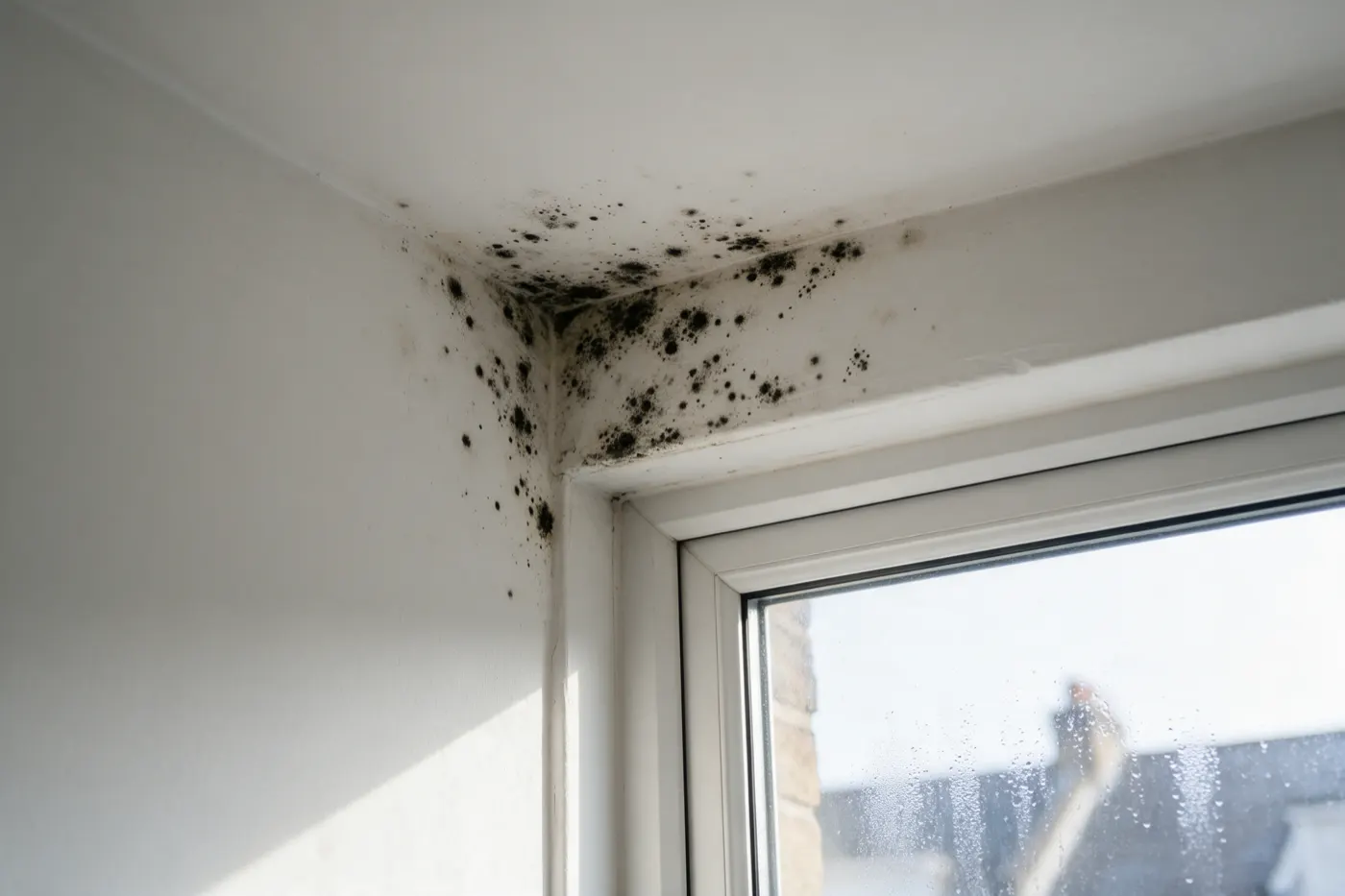
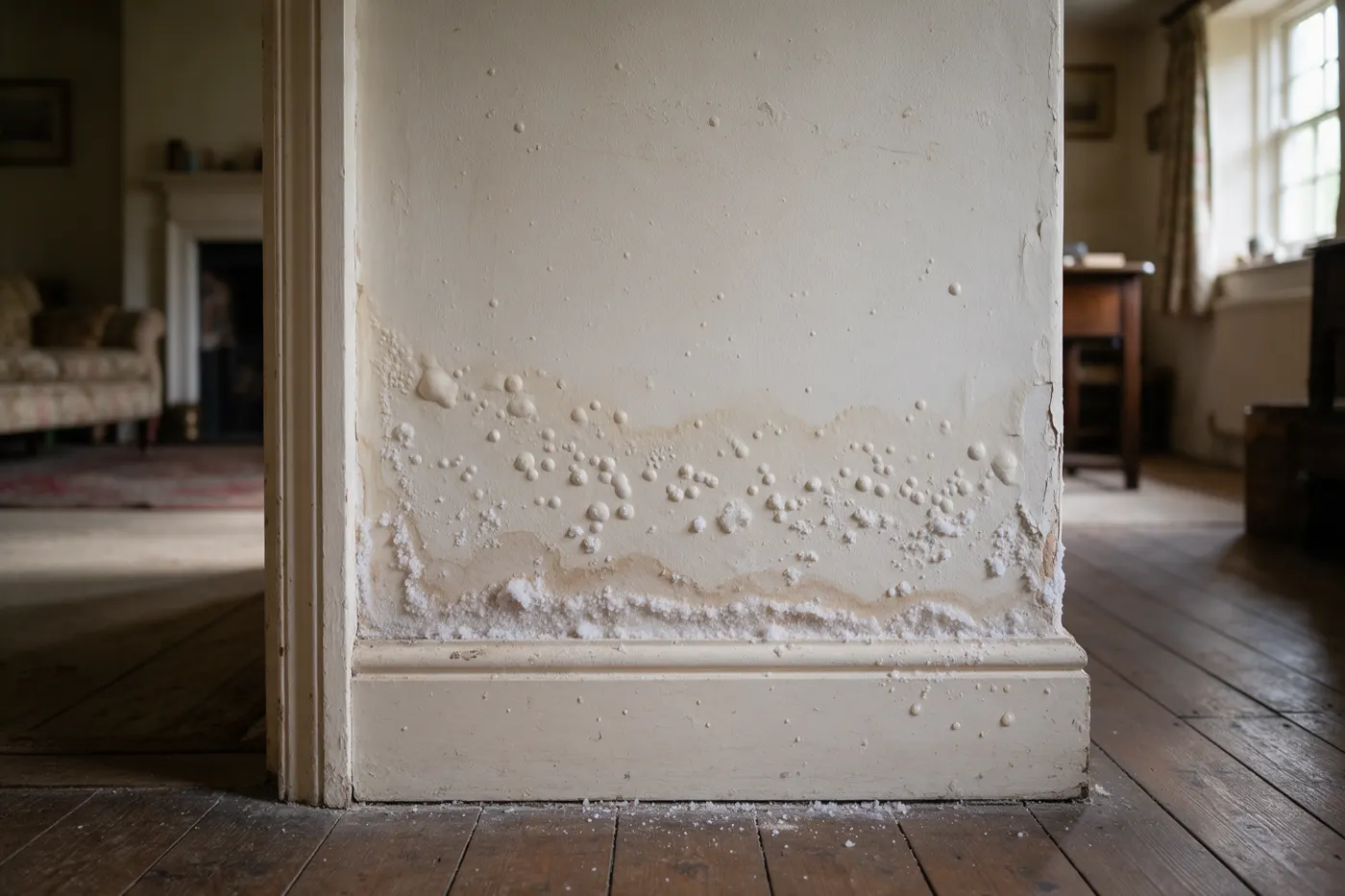
Usually, damp. Common silverfish like the air at around 70% humidity, which is why they stick to bathrooms, kitchens, toilets and anywhere water leaks. The BPCA and councils agree that finding them can be a sign of damp that needs attention. They also feed on crumbs, paper and clutter, but damp is what lets them settle.
Why in the bathroom? It's the dampest room, and they come out at night. They can't climb smooth surfaces, so they get stuck in the bath, basin or sink. That's often the first you know of them.
Why all of a sudden? They can become more active in winter, when cold weather brings condensation inside. A new leak, or a room that's stopped drying out, does the same.
Grey silverfish are the exception. They cope with drier air, so they also turn up in living rooms and storerooms, and drying the house out often isn't enough. They arrive in cardboard boxes, furniture and stored goods. In Norway, where they've spread widely, they're most often found in newer buildings.
Having silverfish doesn't mean your home is dirty. Look for the damp instead:
- stains on floors, walls and ceilings;
- leaking pipes, and blocked or broken gutters;
- condensation, especially from cooking or a tumble dryer that isn't vented.
Our condensation guide and black mould guide cover finding and fixing the cause. If it's rising or penetrating damp, the work is on our damp proofing cost page.
How to get rid of silverfish
For common silverfish, we'd do it in this order:
- Dry the room out. Ventilate it, use the extractor fan, mend dripping pipes and taps, and keep gutters clear. A dehumidifier helps in a room that stays damp. On its own, this may be enough.
- Take away their food. Keep cereals, flour, pasta and pet food in sealed containers, clear out old cardboard and papers, and vacuum regularly.
- Seal the gaps they hide in: cracks in walls and along skirting boards, and gaps round pipes.
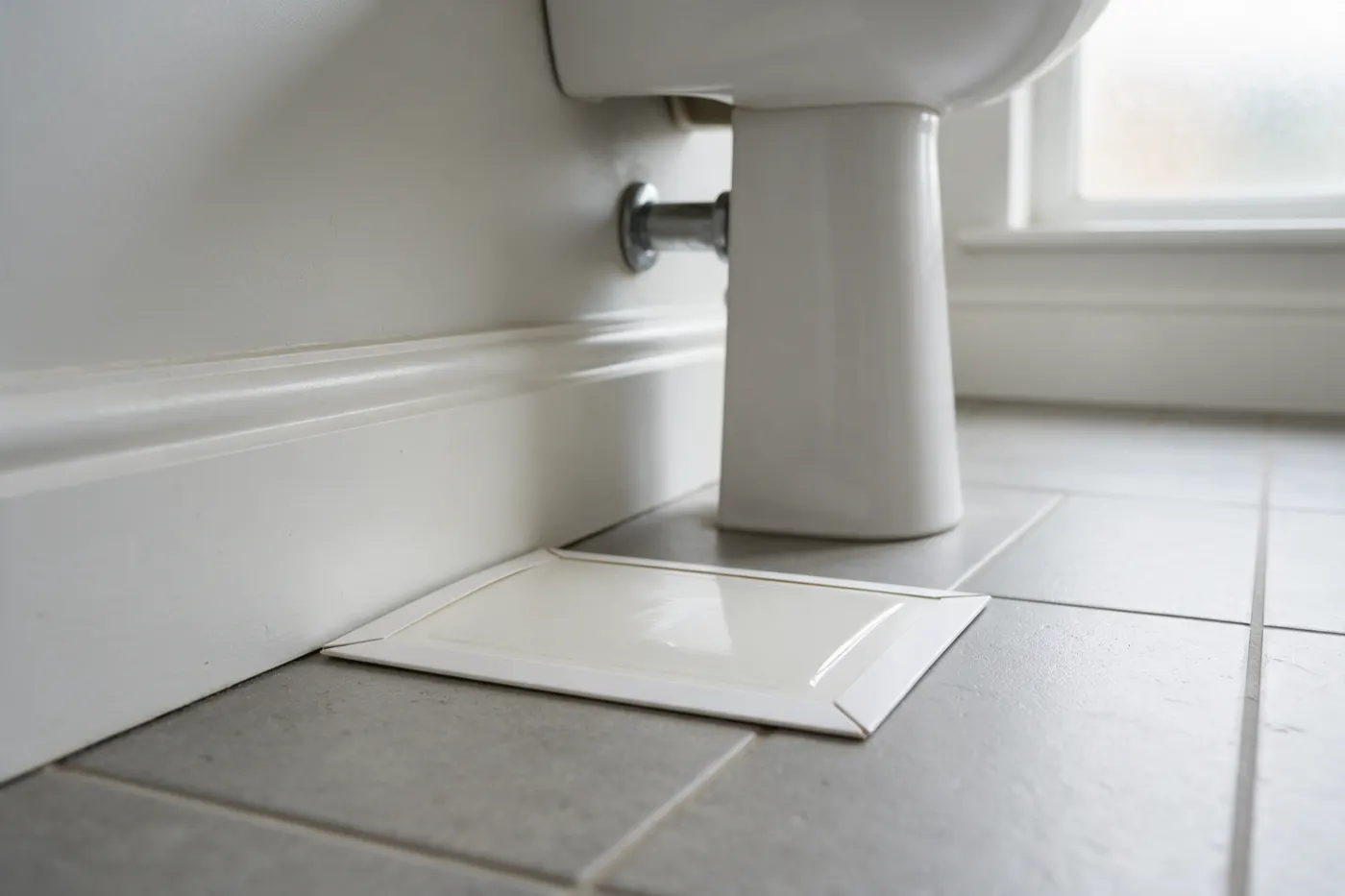
- Put down sticky traps (sold as insect monitors) along the skirting where you see them. They show how many you have and whether numbers are falling. The BPCA says that for a small infestation, monitors may be enough to control them while the damp is fixed.
What about sprays and powders? Advice differs. The BPCA says a heavy infestation can be treated with an insecticide labelled for silverfish, used exactly as the label says. Gateshead Council advises against DIY treatment, as it can be dangerous to the environment, yourself, children and pets. We wouldn't spray for a few silverfish: it does nothing about the damp. If there are enough to make you reach for a spray, we'd call a pest controller instead.
When to call a pest controller
We'd call one if:
- numbers stay high after a few weeks of drying the room out and trapping;
- they're damaging books, papers or wallpaper;
- you're finding them in dry rooms, or they look like grey silverfish.
Expect an inspection first, to find where they're hiding. Gateshead Council's pest control officers, for example, use a powder or insecticide in dry areas, but in a bathroom or wet room usually advise bringing the temperature and humidity down. Their treatment usually takes one visit, because it lasts 12 weeks. For grey silverfish, expect lots of small bait spots and follow-up visits to check they've gone. If you live in a flat, tell your landlord or managing agent: grey silverfish move between flats, so treating the whole building works best.
Some councils treat silverfish and others only give advice. GOV.UK says to contact your council to find out whether it offers pest control. A BPCA member is trained, insured and assessed to the pest management standard EN 16636. Prices are on our pest control cost page.
What it costs
Prices, what moves them and who to hire, in our cost guides.
Free, no obligation.
Frequently asked questions
Do silverfish bite?
No. The British Pest Control Association says silverfish don't bite or spread diseases to people. They're a nuisance, not a health risk.
Will silverfish get in my bed?
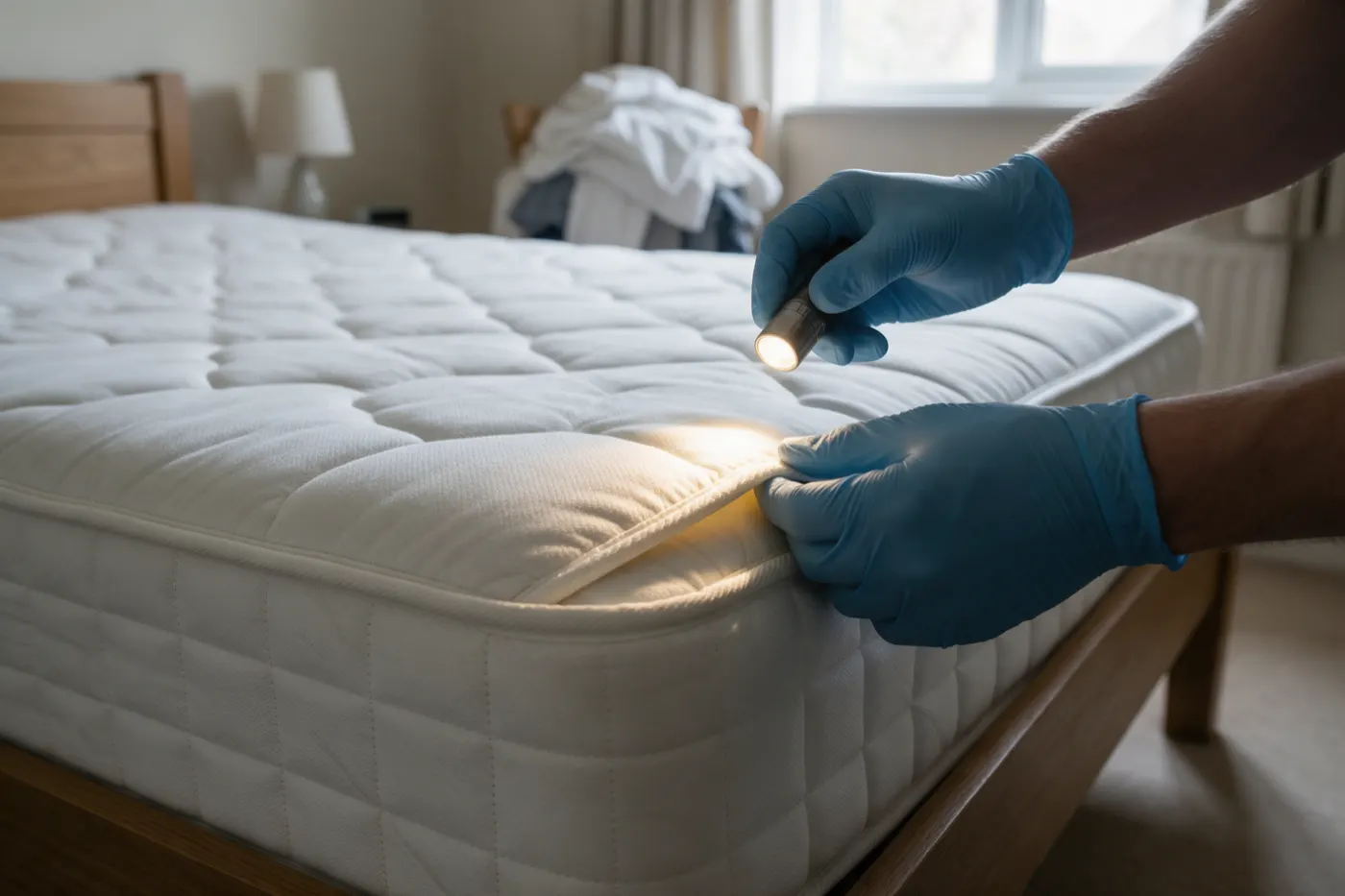
One can turn up anywhere at night, but it isn't after you: silverfish don't bite, and they live on starch, not blood. If you're seeing them often in a bedroom, look closer: common silverfish prefer damp rooms, and the grey kind is the one that lives in drier ones.
Does one silverfish mean an infestation?
Not usually. One in the bathroom now and then is common. Because they come out at night, though, the first one you see may not be the only one. Put a sticky trap down for a couple of weeks: if you catch several, look for damp.
Are silverfish a sign of a dirty house?
No. They're a sign of damp more than dirt. Crumbs, cardboard and clutter help them, but damp is what lets them settle.
Why have I suddenly got silverfish?
They can become more active in winter, when cold weather brings condensation inside. A new leak, or a room that's stopped drying out, does the same.
Where do silverfish lay their eggs?
In cracks and crevices, which is why sealing gaps helps. A female lays about 100 eggs, which hatch in 2 to 8 weeks, and the young take months to a year to grow up.
Will silverfish go away on their own?
Not while the room stays damp: adults can live for more than 3 years. Dry the room out, take away food and clutter, and use sticky traps; that's often enough for common silverfish. Grey silverfish usually need a pest controller.
How we checked this11 sources · 5 officialView sourcesHide
Rules come from the legislation and official guidance, read at source, and are linked where the guide states them. Practical advice comes from makers', trade bodies' and official guidance; where sources disagreed, we've said so. Prices aren't in our guides: they're on the cost pages linked above, each with its own sources. More on our method.
- IndustryPest advice for controlling silverfish, British Pest Control Association. Checked 28 Oct 2026.
- IndustryThe pest that could point to problems with damp (11 December 2023), British Pest Control Association. Checked 28 Oct 2026.
- IndustryControl silverfish professionally (PPC magazine, August 2020), British Pest Control Association. Checked 28 Oct 2026.
- OfficialPest control advice: silverfish, Oxford City Council. Checked 28 Oct 2026.
- OfficialHow to identify and control silverfish and firebrats, Rochdale Borough Council. Checked 28 Oct 2026.
- OfficialSilverfish, Gateshead Council. Checked 28 Oct 2026.
- OfficialLong-tailed silverfish (updated 4 May 2026), Norwegian Institute of Public Health. Checked 28 Oct 2026.
- IndustryGrey silverfish, What's Eating Your Collection? (museum pest management). Checked 28 Oct 2026.
- IndustrySilverfish, Rentokil. Checked 28 Oct 2026.
- IndustrySilverfish, The Wildlife Trusts. Checked 28 Oct 2026.
- OfficialReport a pest problem, GOV.UK. Checked 21 Oct 2026.