The Short Answer
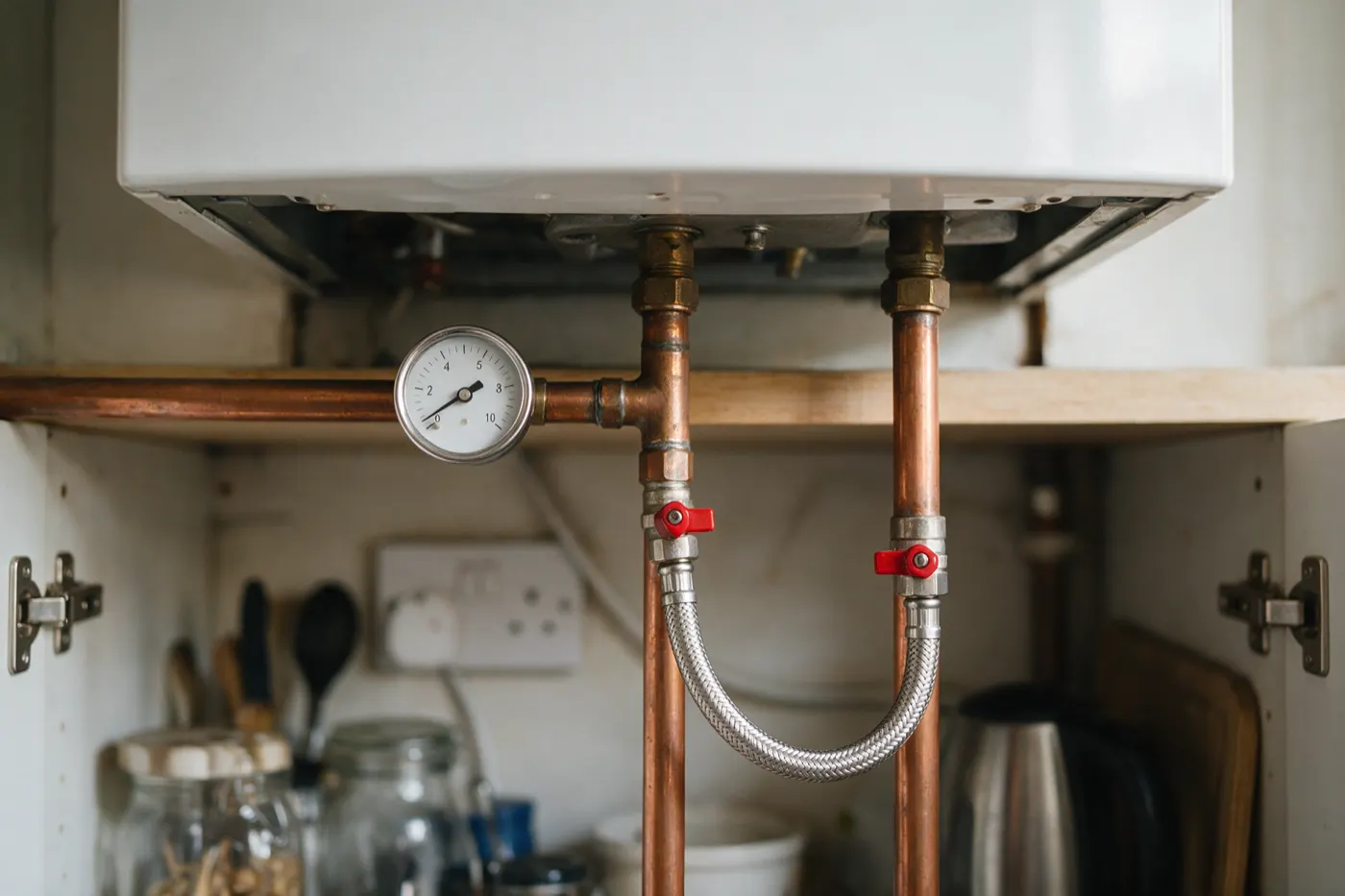
Put a carbon monoxide alarm in every room with something that burns fuel: a gas or oil boiler, a log burner or open fire, a gas fire or heater. The law doesn't usually require one for a gas cooker, but Gas Safe Register advises an alarm in every room with a gas appliance, and we'd fit one in the kitchen too.
- In the same room as the appliance, 1m to 3m away from it.
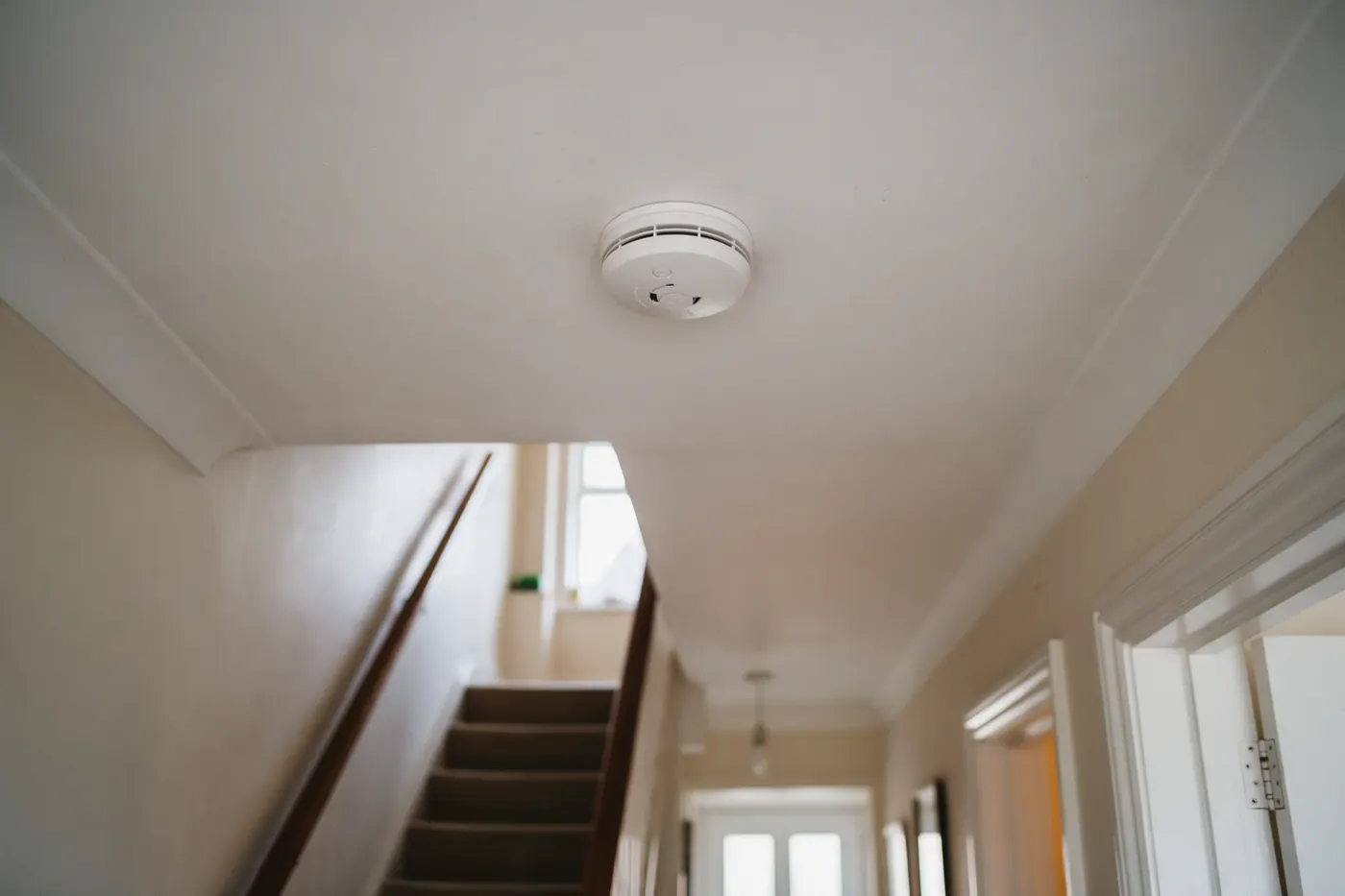
- High up: on the ceiling at least 300mm from any wall, or high on a wall above the doors and windows, but not within 150mm of the ceiling.
- Follow the alarm's own instructions where they differ.
Choose one marked BS EN 50291 with a battery sealed in for its life, test it regularly, and replace it when it reaches the end of its life, typically after 5 to 10 years.
Fit one alarm: the room with the boiler.
In each room, put it on the ceiling at least 300mm from a wall, or high on a wall above the doors and windows but not within 150mm of the ceiling, and 1m to 3m from the appliance. If the appliance is in a cupboard, put the alarm in the room outside it. If the alarm's own instructions say otherwise, follow them. Gas Safe Register also suggests one in rooms where people sleep.
In England, building regulations require one in the room when a boiler, fire or stove (not a cooker) is fitted or replaced. Whenever yours went in, we'd fit one.
An alarm is no substitute for having appliances serviced. If it sounds, turn off appliances and open windows only if it's quick and safe, get everyone out and call the gas emergency line on 0800 111 999 (0800 002 001 in Northern Ireland, or the number on the tank for LPG).
Do you need one?
Carbon monoxide comes from fuel that doesn't burn properly: gas, oil, coal and wood. You can't see, smell or taste it, so an alarm is the only way to know it's there. Appliances that burn fuel can produce it: boilers, gas fires, log burners, open fires, oil heaters, even a barbecue.
Whether the law requires one depends on where you live and what you're doing:
- England, building work: Approved Document J says a carbon monoxide alarm should be fitted in the room whenever a new or replacement fixed boiler, fire or stove (gas, oil or solid fuel) is installed. Gas appliances used only for cooking are excluded.
- England, rented homes: GOV.UK's guidance says landlords must have one in every room used as living accommodation that has a fixed combustion appliance (not a gas cooker), and check it works on the first day of each tenancy. More on our landlord alarms page.
- Scotland, every home: owned or rented, the Scottish Government says you must have a carbon monoxide detector in the same room as a carbon-fuelled appliance such as a boiler, open fire or wood burner. Its guidance on the standard adds every room a flue passes through. Both apply to the rooms you live in, not attics, cellars or garages. Gas cookers and hobs don't need one.
- Wales, rented homes: the Welsh fitness for human habitation regulations require a working carbon monoxide alarm in each room with a gas appliance, an oil-fired appliance or a solid fuel appliance.
Elsewhere, and for older appliances, it may not be a legal duty. We'd fit one anyway in every room with a fuel-burning appliance: it's the only reliable warning. If you're not sure what applies to you, your council's building control can tell you.
Where to put it in the room
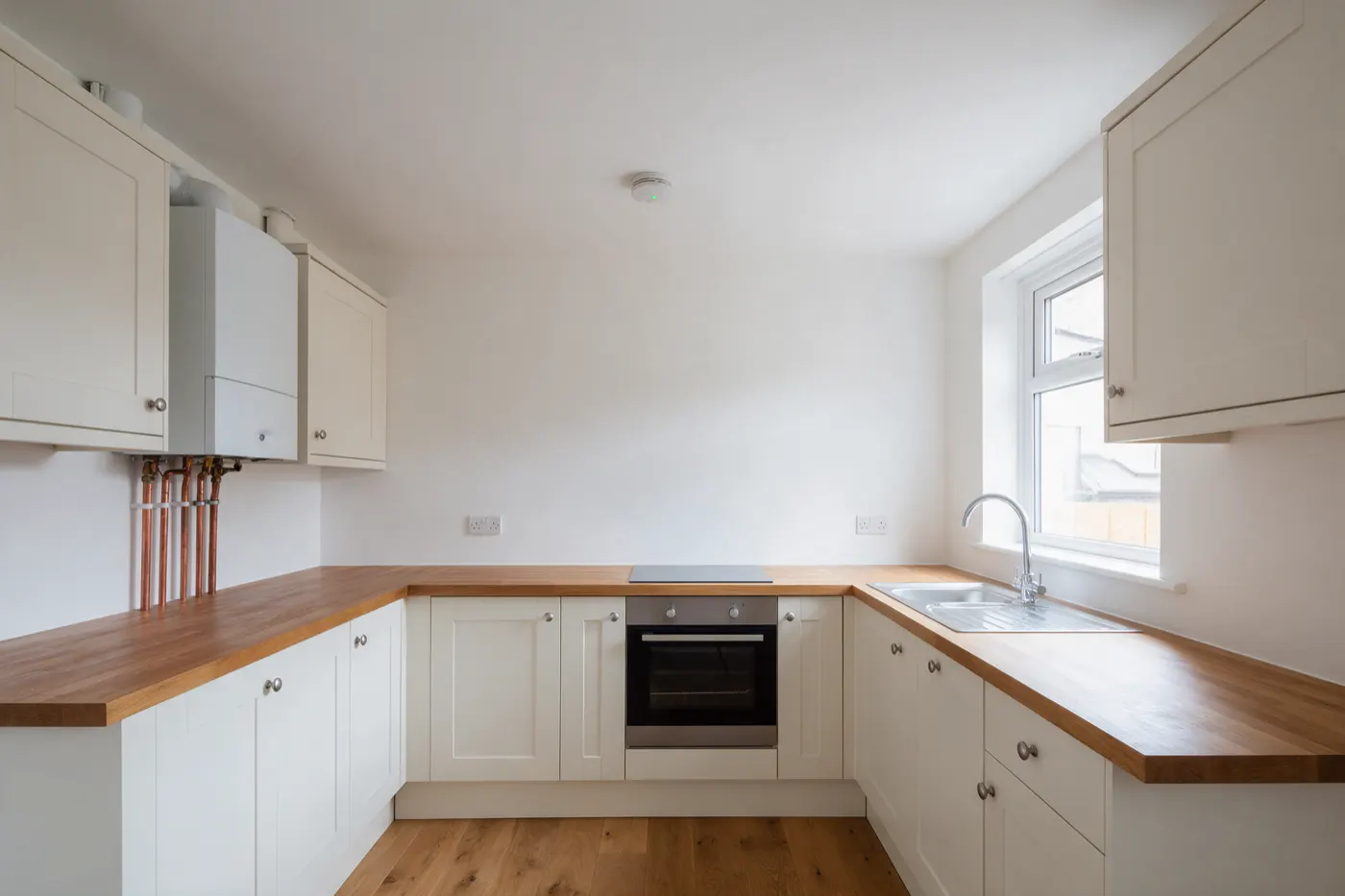
In England, Approved Document J puts the alarm in the same room as the appliance:
- on the ceiling, at least 300mm from any wall; or
- on a wall, as high as possible, above any doors and windows, but not within 150mm of the ceiling;
- and 1m to 3m horizontally from the appliance.
Government advice doesn't all say the same thing. GOV.UK's guidance for landlords says alarms should generally go "at head height, either on a wall or shelf", about 1m to 3m from the source. Both agree on the distance. Our advice: follow the instructions that come with your alarm, which GOV.UK and Gas Safe Register both say to do. Where the instructions don't say, use the building regulations position.
Wherever it goes, avoid:
- dead-air spots, such as corners and the peak of a sloping ceiling, where air doesn't circulate;
- being hidden behind curtains or furniture, if it's a free-standing alarm on a shelf or table;
- being too close: right next to the boiler or stove is nearer than the 1m the guidance asks for;
- cupboards: if the boiler is in a cupboard or another small enclosed space, put the alarm in the room outside it, still 1m to 3m away. Scotland's guidance says so, and it makes sense anywhere.
How many you need
One in every room with a fuel-burning appliance, and Gas Safe Register suggests more in the rooms where people sleep or spend a lot of time. In a typical house with the boiler in the kitchen and a log burner in the living room, that's an alarm in each of those rooms, and we'd add one in the main bedroom. Carbon monoxide alarms don't need to be linked to your smoke alarms.
Boilers, log burners, gas fires and cookers
- Boilers: in the room with the boiler. When a boiler is fitted or replaced in England, building regulations expect an alarm in that room, so ask the installer to include one. An alarm doesn't replace the yearly service: see boiler service costs.
- Log burners and open fires: in the same room. A new or replacement stove in England needs one under building regulations; see log burner costs.
- Gas fires and heaters: in the same room; a new or replacement gas fire needs one in England too.
- Gas cookers and hobs: not required in England or Scotland, though Gas Safe Register advises an alarm in every room with a gas appliance, and we'd fit one in the kitchen. In a rented home in Wales, the rule covers any gas appliance.
- Flues: in Scotland, any room a flue runs through needs one too.
Choosing an alarm
- Marked BS EN 50291, ideally with a BSI Kitemark or LPCB mark, which means it's been independently tested.
- A battery sealed in for the alarm's life, or a mains-wired one fitted by an electrician. Building regulations in England don't accept plug-in alarms for new installations, and Scotland requires sealed batteries.
- A proper alarm that sounds, not a "black spot" or colour-change card: Gas Safe Register warns those can't wake you up.
There are also alarms with vibrating pads and flashing lights for people who are deaf or have hearing loss.
Testing it, and when to replace it
Press the test button weekly or monthly, as the maker says, and keep dust off it with a dry cloth or a vacuum. The sensor wears out: they typically last 5 to 10 years, and the expiry date is printed on the side. A regular chirp near the end of that life is easy to mistake for a low battery, so check the date before you change anything.
An alarm is a last line of defence. The first is having your appliances serviced (a gas boiler once a year, by a Gas Safe registered engineer) and keeping air bricks, vents and the flue's outside grille clear.
If the alarm goes off
What it costs
Prices, what moves them and who to hire, in our cost guides.
Free, no obligation.
Frequently asked questions
Where is the best place for a carbon monoxide alarm?
In the same room as the boiler, fire or stove, 1m to 3m from it: on the ceiling at least 300mm from a wall, or high on a wall above doors and windows but not within 150mm of the ceiling. Follow your alarm's instructions where they differ.
Should a carbon monoxide alarm be high or low?
England's building regulations guidance puts it high: on the ceiling or high on a wall. GOV.UK's guidance for landlords says head height on a wall or shelf. Both say 1m to 3m from the appliance. Follow the instructions for your alarm.
Is it a legal requirement to have a carbon monoxide alarm?
In Scotland, yes, in every home: in each room with a carbon-fuelled appliance such as a boiler, open fire or wood burner, and each room a flue passes through. In England, landlords must fit them, and building regulations require one when a boiler, fire or stove is fitted or replaced. In Wales, landlords must fit them. Elsewhere it may not be a legal duty, but we'd fit one anyway.
Can I put a carbon monoxide alarm in my bedroom?
Yes. Gas Safe Register suggests alarms in the rooms where people sleep, as well as in every room with a fuel-burning appliance.
Does a gas cooker need a carbon monoxide alarm?
The law doesn't require one in England or Scotland: the rules leave out appliances used only for cooking. In a rented home in Wales, the rule covers any gas appliance. Gas Safe Register advises an alarm in every room with a gas appliance, and we'd fit one in the kitchen.
Do I need a carbon monoxide alarm with a combi boiler?
Yes: a combi is a gas boiler like any other, so fit an alarm in the room it's in. If it's new or replaced in England, building regulations expect one.
How long do carbon monoxide alarms last?
Typically 5 to 10 years; the expiry date is on the side. Replace the whole alarm when it reaches it.
How we checked this10 sources · 10 officialView sourcesHide
Rules come from the legislation and official guidance, read at source, and are linked where the guide states them. Practical advice comes from makers', trade bodies' and official guidance; where sources disagreed, we've said so. Prices aren't in our guides: they're on the cost pages linked above, each with its own sources. More on our method.
- OfficialApproved Document J: Combustion appliances and fuel storage systems (2010 edition incorporating 2010, 2013 and 2022 amendments), GOV.UK. Checked 16 Oct 2026.
- OfficialSmoke and Carbon Monoxide Alarm (Amendment) Regulations 2022: guidance for landlords and tenants, GOV.UK. Checked 4 Nov 2026.
- OfficialThe Smoke and Carbon Monoxide Alarm (England) Regulations 2015, regulations 4 and 8, legislation.gov.uk. Checked 15 Oct 2026.
- OfficialFire and smoke alarms: the law, Scottish Government. Checked 4 Nov 2026.
- OfficialTolerable standard guidance, chapter 17: satisfactory carbon monoxide detection, Scottish Government. Checked 4 Nov 2026.
- OfficialThe Renting Homes (Fitness for Human Habitation) (Wales) Regulations 2022, regulation 5, legislation.gov.uk. Checked 4 Nov 2026.
- OfficialCarbon monoxide alarms: a guide to regulations, placement and safety, Gas Safe Register. Checked 4 Nov 2026.
- OfficialWhat to do in a gas emergency, Gas Safe Register. Checked 4 Nov 2026.
- OfficialCarbon monoxide detectors (updated 28 October 2026), Scottish Fire and Rescue Service. Checked 4 Nov 2026.
- OfficialCarbon monoxide poisoning, NHS. Checked 4 Nov 2026.